
Daisetsuzan Alpine Hiking: Hokkaido's Wildest Base Camp Adventure
📅 2026-10-11
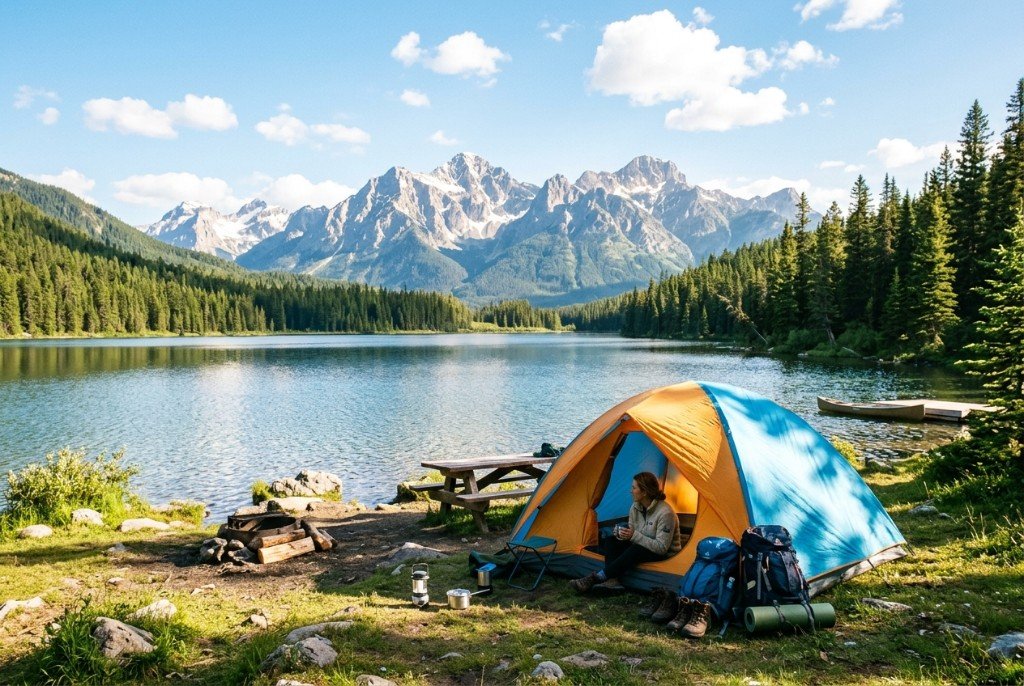
Daisetsuzan isn't a single mountain — it's a sprawling volcanic massif in the heart of Hokkaido, and it's the closest thing Japan has to genuine alpine wilderness. If you've hiked the Japan Alps around Hakuba or Kamikochi and found them crowded, Daisetsuzan is the antidote: fewer trails are maintained, brown bears actually live here, and the tree line sits low enough that you're walking through tundra-like terrain within a couple of hours of the trailhead. This guide covers how to plan an alpine hiking trip and base camp strategy in Daisetsuzan National Park, Japan's largest national park.
Who Daisetsuzan Is For
This is not a beginner's first mountain trip. Daisetsuzan rewards hikers who already have some experience with multi-day treks, unpredictable mountain weather, and basic navigation, because trail markers thin out fast once you're above the ropeway stations. That said, it's far more accessible than its reputation suggests — the Asahidake Ropeway and Kurodake Ropeway both cut out the lowest, dullest forest sections, dropping you near alpine terrain within 10-15 minutes.
What makes Daisetsuzan distinct from Honshu's alpine zones is scale and wildness. The park covers roughly 2,300 square kilometers, linking Asahidake (Hokkaido's highest peak at 2,291m), the Ohachidaira caldera rim, and the long Omote-Daisetsu traverse toward Tomuraushi. Ainu people called the area "Kamuy Mintara," the playground of the gods, and that name still fits — the terrain is raw volcanic rock, steam vents, and wide alpine plateaus rather than the manicured ridgelines you'll find further south. It's also prime habitat for Ezo brown bears, so solo hikers and families with small children should stick to the busier ropeway-accessed loops rather than the deep traverse routes.
Trail Conditions and Base Camp Layout
The park has several distinct access points, each functioning as its own mini base camp:
Asahidake (north side) is the most popular entry. The ropeway from Asahidake Onsen village lifts you to 1,600m in about 10 minutes, putting you directly into volcanic terrain with steam vents and the Sugatami pond circuit — a 1-2 hour loop that's achievable even for moderately fit day hikers. From there, a steeper 2-3 hour push gets you to the Asahidake summit.
Kurodake and the Ohachidaira caldera (Sounkyo side) connect via ropeway and chairlift from Sounkyo Onsen, a dramatic gorge town. This is the gateway to the full crater rim traverse connecting to Asahidake — a serious full-day alpine hike (6-8 hours) across exposed ridgeline with little shelter, best attempted only in stable summer weather.
Tomuraushi and the southern traverse is the multi-day backcountry option, usually done from Tokachidake Onsen or via the Tenninkyo trailhead, staying in mountain huts (sanso) like Hisago-numa or Chubetsu hut. These huts are unstaffed or minimally staffed shelters, not lodges — bring your own stove, food, and sleeping gear.
For base camping specifically, most hikers stage out of one of the onsen towns rather than tent camping inside the park itself, since wild camping is restricted to designated sites near huts. Sounkyo and Asahidake Onsen both have campgrounds with basic facilities at the base, letting you combine car-camping comfort with alpine day hikes — pitch a tent at night, soak in a free-flowing volcanic hot spring, and head up the ropeway at dawn before cloud builds in.
Season and Access from Sapporo or Asahikawa
Daisetsuzan's hiking season is short and that's the single most important planning fact. Snow typically blocks the high trails until mid-June, and the first snow of the next winter can arrive by late September at elevation — meaning the realistic window for alpine hiking is late June through mid-September, with the best wildflower displays (including the famous Ezo-no-tsugazakura alpine flora) in July and the clearest skies and best color changes in September, when the autumn foliage here is often Japan's earliest, starting around early-to-mid September at the ridgelines.
Getting there starts with flying into New Chitose Airport (CTS) near Sapporo, or Asahikawa Airport (AKJ), which is the closer regional hub. From Asahikawa, it's about a 90-minute drive or bus ride to Asahidake Onsen, and roughly 2 hours to Sounkyo Onsen. If you're coming from Sapporo, plan on a direct bus to Asahidake Onsen (around 2.5-3 hours) or a train/bus combination via Asahikawa Station. A rental car is strongly recommended if you intend to combine multiple trailheads (Asahidake, Sounkyo, Tokachidake) in one trip, since public transit between these access points on the park's far sides is sparse and seasonal.
Winter transforms Daisetsuzan entirely — this becomes a backcountry ski and powder touring destination rather than a hiking one, with some of Hokkaido's deepest, driest snow accessible via the Asahidake Ropeway for ski touring descents. If snow sports are more your interest than summer hiking, aim for January through March and treat this as an entirely separate trip with avalanche gear and local guide support.
Practical Tips for Planning Your Trip
Book ropeways and huts ahead in peak season. July through September weekends get busy at Asahidake and Sounkyo, and mountain huts along the Tomuraushi traverse have limited capacity — reserve in advance through the hut operators or local tourism associations rather than assuming walk-up space.
Bear safety is not optional here. Carry a bear bell, know how to use bear spray, and check recent sighting reports at the ropeway stations before setting out, especially on the quieter southern traverse routes.
Layer for four seasons in one day. Even in August, alpine ridgelines can drop near freezing with wind, while the base onsen towns sit comfortably warm. Pack a windproof shell regardless of the forecast.
Onsen etiquette matters. Most base towns run on traditional Japanese bathing customs — wash thoroughly before entering the communal bath, no swimwear, and tattoos may require a covering patch at some older ryokan, though Asahidake Onsen's newer facilities are generally more tattoo-friendly than rural Honshu options.
Food and resupply are limited inside the park. Stock up on trail food and fuel canisters in Asahikawa before heading to the trailheads — Asahidake Onsen and Sounkyo have only small general stores, and once you're past the ropeway stations there's no resupply until you're back down.
Weather windows close fast. Daisetsuzan sits exposed to Sea of Japan weather systems, and fog or sudden storms can roll in within an hour even on a clear morning. Check the ropeway's operational status and local forecast the night before and again at dawn, and be willing to turn back — the crater rim traverse in particular has no quick bailout once committed.
Daisetsuzan rewards patience and respect for its scale. Treat it less like a day-trip summit and more like a multi-day alpine expedition staged from comfortable onsen basecamps, and you'll come away with some of the most genuinely wild hiking Japan has to offer.
Was this page helpful?
Your feedback helps us improve our guides