
Early Season Skiing in Japan: How to Read Base Conditions and Catch the First Real Snow
📅 2026-10-11
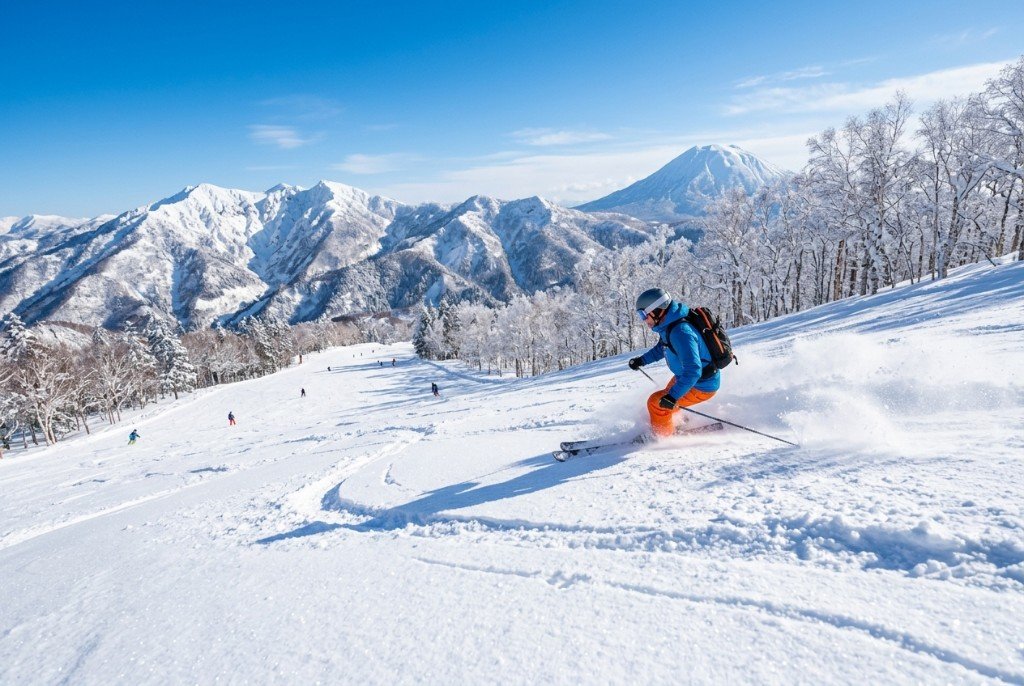
Who This Is For — And Why Early Season in Japan Plays by Different Rules
Early season skiing in Japan — roughly late November through mid-December — is not a smaller version of peak-season powder. It's a different trip entirely, and it rewards a different kind of traveler. If you want guaranteed waist-deep snow on every run, book for late January. If you want to beat the crowds, grab cheaper lift tickets and lodging before New Year's rush pricing kicks in, and don't mind some rock-dodging on the first few days, early season is for you.
This window suits a specific type of skier: flexible with dates, comfortable checking snow reports obsessively, and realistic about the fact that "opening day" in Japan often means one or two lifts and a single groomed run, not the whole mountain. It also suits travelers who want to pair skiing with other things — early December is shoulder season for autumn foliage in the valleys below resort towns like Nozawa Onsen and Hakuba, so you can catch the last maple colors at elevation 800m while the peaks above 1,500m are already getting their first real base.
Historically, Japan's ski culture grew up around onsen towns — Nozawa Onsen, Shiga Kogen, Zao — where hot spring bathing predates organized skiing by centuries, and the apres-ski ritual is still soaking in a 100% natural sulfur bath, not a bar. That cultural backbone matters in early season especially: when snow is thin and lift access is limited, the onsen-town rhythm (bath, local izakaya dinner, early night, check the snow report before bed) is the actual trip, not a consolation prize.
Conditions on the Ground: What "Base Building" Actually Looks Like
Base building is the process resorts go through from first snowfall until the terrain is skiable top to bottom, and understanding it changes how you plan. Early snowfalls in November are often warm and wet, melting and refreezing before a cold, dry layer locks things in — this freeze-thaw cycle is what creates the hardpack base that later powder sits on. Until that base is thick enough (resorts generally want 30-50cm of consolidated base before opening a run), grooming crews can't safely run machines over the terrain without exposing rocks, stumps, or bare patches of volcanic soil.
Practically, this means:
- Partial openings are normal. A resort might open its gondola and one or two groomed runs in late November while 80% of the mountain stays closed. Check the resort's own trail map updates, not just a generic "open/closed" headline.
- North-facing and higher-elevation runs open first. They hold cold temperatures and accumulate base faster than south-facing or low-elevation terrain. If a resort has a top station above 1,500m (Shiga Kogen, Nozawa Onsen's upper bowl, Niseko's upper Grand Hirafu), that's where early-season skiing concentrates.
- Man-made snow bridges the gap. Many Honshu resorts (Nozawa, Hakuba's lower resorts, Zao) run snowmaking on key connector runs specifically so base building doesn't stall out waiting for natural snowfall. Hokkaido resorts like Niseko and Rusutsu rely more on natural snow but tend to get consistent early dumps thanks to Siberian cold fronts crossing the Sea of Japan.
- Ungroomed off-piste is genuinely dangerous early season. Thin cover over volcanic rock, bamboo grass (sasa), and stumps is the single biggest early-season injury risk. Stay on marked, groomed terrain until the resort itself declares off-piste zones open — this is usually posted at lift stations, not announced in English.
Timing the Window: Reading Snow Reports and Getting There From a Real Hub
The practical question is always "when do I book flights." Japan's ski resorts typically target opening dates in the last week of November to first week of December, but actual opening is weather-dependent and can slip by two to three weeks in a warm year. The fix is to not book rigidly around a calendar date — instead, watch the resort's live snow report starting in mid-November and hold flights flexible for a week or two around your target.
Good snow report sources to check daily once you're within two weeks of travel: the resort's official website (most major resorts — Niseko United, Hakuba Valley, Nozawa Onsen, Shiga Kogen, Zao Onsen — publish daily base depth and lift status in English during the season), and snow-specific forecast sites that track Sea of Japan moisture and cold-front timing for Hokkaido versus the more temperamental Honshu ranges.
Access logistics by region:
- Hokkaido (Niseko, Rusutsu, Furano): Fly into New Chitose Airport (Sapporo). Niseko is roughly 2.5–3 hours by resort shuttle bus or private transfer; Rusutsu is about 1.5 hours. Hokkaido's early season is generally more reliable than Honshu's because of consistent cold, but November flights and transfers book up fast with early-bird travelers chasing exactly this window.
- Hakuba Valley (Nagano): Fly into Tokyo (Haneda or Narita), then it's a direct bus (around 4–4.5 hours from Shinjuku) or shinkansen to Nagano Station followed by a 60–75 minute bus. Hakuba has multiple resorts under one valley, so if one base is thin, another nearby one may already be running top-to-bottom.
- Nozawa Onsen (Nagano): Shinkansen to Iiyama Station, then a 25-minute bus — one of the fastest Tokyo-to-slopes combinations in the country, under 3 hours door to door.
- Shiga Kogen (Nagano): Similar shinkansen-to-Nagano-Station route, then about 70 minutes by bus up into Japan's highest and largest linked ski area, which often opens its upper sections earliest of any Honshu resort thanks to elevation.
- Zao Onsen (Yamagata): Shinkansen to Yamagata Station, then a 40-minute bus — a quieter, less touristed alternative with a strong early base thanks to its famous "snow monster" (juhyo) ice-crusted trees, a cold-microclimate phenomenon unique to this mountain.
Practical Tips: Booking, Gear, and Onsen-Town Etiquette for Thin-Base Travel
Book lift tickets and rentals once you're confident the resort is actually open on your dates — many resorts sell flexible-date or date-change-friendly early-season packages precisely because opening dates shift. If you're renting gear locally rather than hauling your own, early-season rental shops in onsen towns are far less crowded than peak-season, and staff have more time to fit boots properly and advise which specific lifts and runs are currently running.
Gear notes specific to this window: pack layers you can shed, since early-season days are often clear and can warm up fast at midday even with a cold base; bring edge-sharp skis or a tune before you go, since rock-scraped edges are common when cover is thin; and don't skip a helmet, because exposed rock and uneven base make early-season falls less forgiving than a deep-powder tumble later in the year.
Etiquette in onsen towns matters more than resort etiquette, and it's where first-time visitors most often slip up. Wash thoroughly before entering a communal bath, never let a towel touch the water, and if you have tattoos, check ahead — many traditional ryokan-attached onsen still restrict them, though tattoo-friendly options are increasingly common and easy to find with a quick search by town. Food-wise, early season is a good time to eat well without crowds: Nozawa Onsen's oyaki dumplings, Hakuba's soba, and Zao's imoni (a taro-and-beef hot pot) are all cold-weather staples best enjoyed after a short, thin-base ski day rather than rushed between long lift lines.
The honest pitch for early season: fewer people, better rates, and a front-row view of a mountain building itself run by run — but only if you stay loose on dates, check the snow report obsessively, and treat the first open lift as a bonus, not a guarantee.
Was this page helpful?
Your feedback helps us improve our guides