
Family-friendly glamping with kids activities
📅 2026-10-11
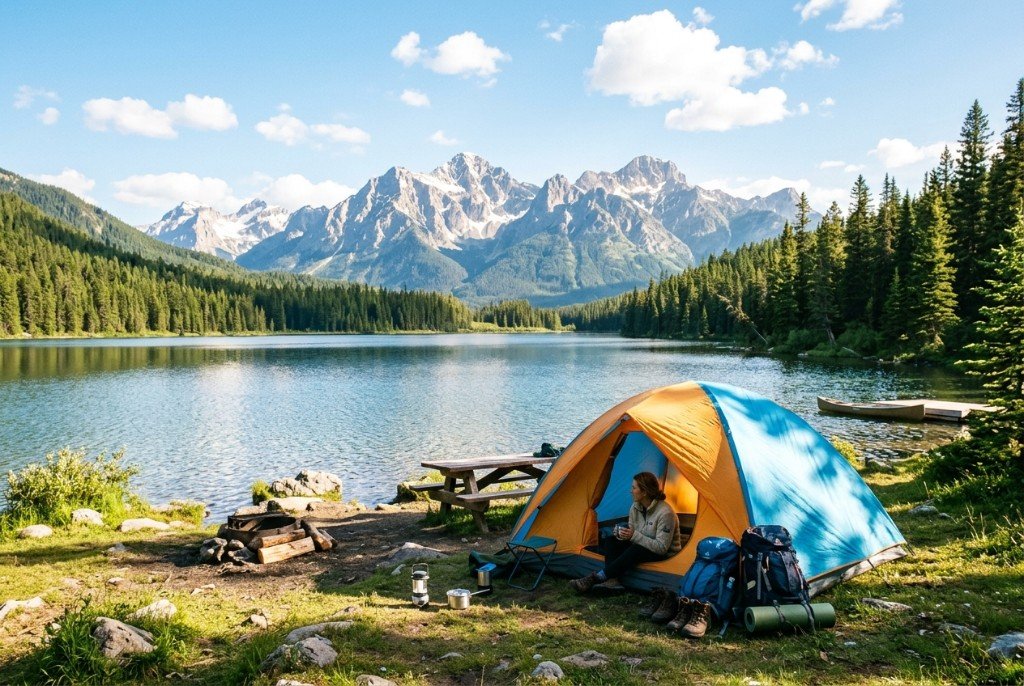
Why Japan's Family Glamping Scene Is Different From a Standard Campsite
"Glamping" in Japan rarely means a tent in a field with a shared bathroom down the path. Most family-oriented glamping resorts here were built or renovated in the 2018–2023 boom, when domestic travel demand pushed operators like Hoshino Resorts, Snow Peak, and regional tourism boards to convert underused forestland and lakeside plots into semi-hotel outdoor stays. The result is a hybrid: canvas-walled or dome tents with real beds, heating, and attached decks, set inside a managed site with staff-run kids activities, rental gear counters, and an on-site restaurant or BBQ terrace.
This matters for family travel because it removes the two biggest barriers that keep parents away from traditional family camping — gear logistics and risk of a miserable night if the weather turns. You bring clothes and curiosity; the site provides the tent, the futon or bed, the heater, and usually a schedule of kids activities (river crawling, s'mores-making, night insect walks, archery, canoe paddling for the under-12 crowd) that run on a fixed daily timetable, so you can plan the day around nap times and meals rather than around weather-dependent decisions.
The other distinct feature is density of nearby activity options. Because Japan's geography compresses mountains, coast, and forest into short drives, a single glamping base near Mt. Fuji, the Izu Peninsula, or Hokkaido's Niseko valley lets a family layer in a half-day ski lesson, a shallow snorkel or beginner scuba try-dive, or a gentle beginner surf lesson around the core camping stay — something much harder to arrange around a standard US or European campground.
Site Layout, Facilities, and What Kids Actually Do All Day
Family glamping sites in Japan are built around a hub-and-spoke layout: a central lodge or reception building with the restaurant, gear rental, and staff desk, surrounded by individually spaced tent or dome units, with a dedicated "kids activities" zone somewhere between the two — often a shallow stream, a small climbing net, a fire pit circle, or a covered craft table.
A typical day at a family camping resort like this runs:
- Morning: check-in from 2–3pm is standard, so plan the arrival day as a half-day — most families use the morning for the nearby ski slope, dive shop, or surf break, then drive in for afternoon check-in.
- Late afternoon: staff-led kids activities — river net fishing, archery, or forest scavenger hunts — usually scheduled 3:30–5pm, timed for check-in arrivals.
- Evening: BBQ or set-course dinner at the lodge, then a fire pit or stargazing session; many sites in Yamanashi and Nagano run telescope nights given the clear mountain air.
- Morning departure: a second activity slot (10–11am) before the standard 11am checkout, often a simple nature walk or canoe paddle on an adjacent lake.
For families combining camping with diving, surfing, or skiing, the key logistic is tide, swell, and lift schedules don't align with campsite checkout times — book the activity operator for late morning on arrival day and early afternoon on departure day, using the glampsite purely for the overnight.
Best Season and How to Reach the Main Family Glamping Hubs
Japan's family glamping calendar splits cleanly by region and by which secondary activity you want to pair with the stay:
Mt. Fuji Five Lakes (Yamanakako / Fujikawaguchiko), for lake activities and easy camping — Peak season is late April to early November, with July–August the busiest (book 2–3 months ahead) and late September–October the best combination of mild weather, fall color, and thinner crowds. Access: roughly 2 hours by direct highway bus from Shinjuku Bus Terminal in Tokyo, or about 2 hours by car via the Chuo Expressway. No flight needed if arriving via Tokyo (Haneda or Narita), simply connect to Shinjuku first.
Izu Peninsula, for shallow-water scuba and snorkel pairing — Water is diveable with a 3mm wetsuit from June through October, warmest and calmest for first-time family snorkeling in August–September. Access: Izu is roughly 1.5–2 hours from Tokyo Station by Shinkansen-plus-local-train to Ito or Shimoda, or about 2.5 hours by car from central Tokyo. This is one of the easiest coastal family travel loops in the country because dive shops here routinely run shallow bay try-dives suitable for kids aged 8 and up alongside full certification courses for adults.
Shonan coast (Chigasaki, Enoshima), for beginner surf lessons — Surfable almost year-round, but the gentlest, warmest conditions for a first family surf lesson run June through September; autumn typhoon swell (September–October) is better left to experienced surfers, not kids' lessons. Access: under 1 hour from Tokyo by JR Tokaido Line to Chigasaki or Odakyu Line to Enoshima, making this the only hub on this list workable as a day trip without an overnight, though combining it with one night of glamping nearby extends the trip without much extra travel time.
Hokkaido (Niseko, Furano, Biei), for ski-season family camping and glamping — Ski season runs mid-December through March, with late January through February the most reliable snow. A handful of heated glamping domes stay open through winter specifically for families who want a ski-camping hybrid rather than a standard hotel. Access: fly into New Chitose Airport (from Tokyo Haneda, about 1.5 hours), then it's 2–2.5 hours by car or resort shuttle bus to Niseko, or about 1.5 hours to Furano.
Historically, organized outdoor family recreation in Japan traces back to post-war "kokumin shukusha" (national lodges) and school-affiliated scout camps of the 1950s–60s, which were utilitarian and communal. The shift toward comfort-first, private-tent glamping reflects a broader change in Japanese domestic tourism since around 2015: smaller families, more disposable income per child, and a tourism industry pivoting toward "micro-tourism" — shorter, higher-quality trips closer to home — after years of overseas travel being the default aspirational trip. Understanding this helps set expectations: Japanese family glamping prioritizes comfort and curated activities over rugged self-sufficiency, which is exactly why it suits families with young kids.
Booking Order, Packing, and Mealtime Logistics
Book in this order to avoid the common failure mode of a confirmed glampsite but no availability for the activity that justified the trip:
- Activity operator first — ski school slot, dive shop try-dive, or surf lesson. These have hard capacity limits (one instructor per 2–3 kids is typical) and fill faster than lodging, especially for weekend slots in peak months.
- Glamping site second, chosen for proximity to the activity, not the other way around. Most family-oriented sites list "age-appropriate" kids activities explicitly on their site — confirm minimum age before booking, since many archery or canoe sessions set a 6 or 7-year-old floor.
- Transport last — rental car if arriving by train, or expressway bus seats in peak season, since both sell out around national holidays (Golden Week in early May, Obon in mid-August, and the New Year period).
Packing for the shoulder seasons (spring and autumn) should assume a 10–15°C swing between day and night even at lake or coastal elevations — bring a warm layer for the fire pit evening even if the daytime activity was a wetsuit-based one. Most glamping sites supply bedding, towels, and heaters, but not child-sized life jackets for canoe or snorkel sessions; confirm with the activity operator whether kid sizes are in stock, particularly for children under 25kg.
On etiquette: Japanese campground culture treats quiet hours (typically 9pm–7am) strictly even at glamping resorts with lodge restaurants, so plan loud kids activities — s'mores, sparklers, group games — for before 9pm. Food at most sites is either an included set-course dinner or a self-serve BBQ with pre-portioned ingredient packs sold at the lodge; very few allow bringing in outside raw meat for the grill, so check this before packing a cooler. For families pairing the stay with diving or surfing, rinse-and-dry facilities at the glampsite are usually separate from the shower block — ask at check-in, since wet gear left in a tent overnight is one of the most common complaints in site reviews.
Was this page helpful?
Your feedback helps us improve our guides