
Hakuba Valley in Summer: A Practical Guide to Choosing Your Alpine Camping Base
📅 2026-10-11
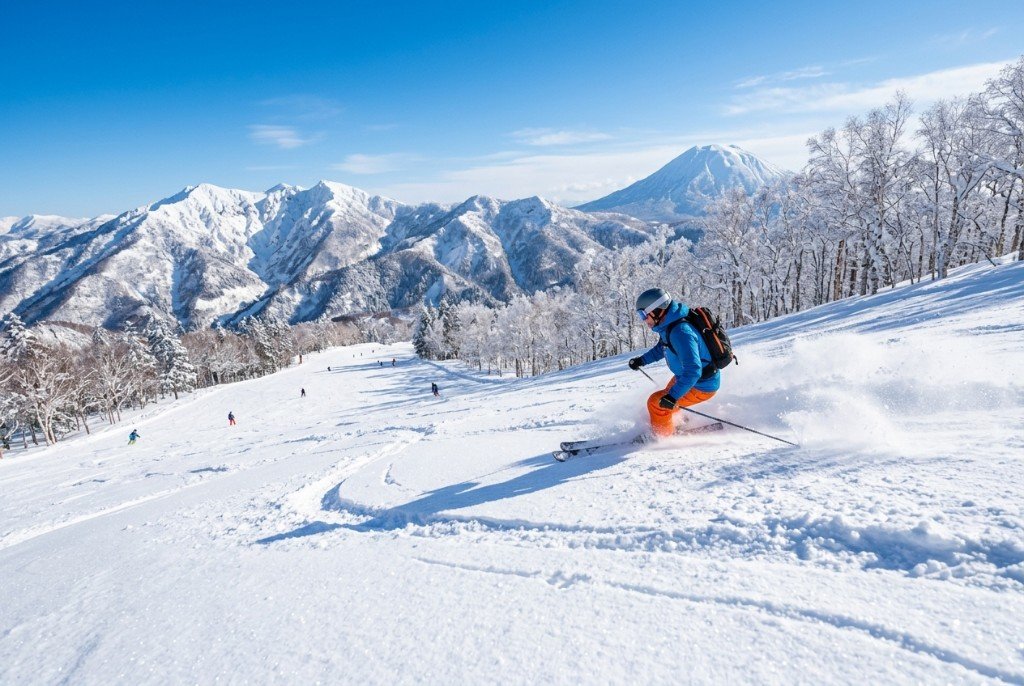
From Powder to Pine: Why Hakuba Reinvents Itself Every Summer
Most people know Hakuba as the valley that hosted the downhill and super-G events of the 1998 Nagano Winter Olympics, and as one of Japan's biggest ski regions, stitched together from nine resorts along the base of the Northern Japan Alps. What far fewer travelers realize is that from June through September the same valley flips into one of Honshu's best alpine summer destinations — and a genuinely underrated camping region compared to the crowded lakeside sites around Fuji Five Lakes or Nagano's Kamikochi gateway towns.
The appeal is geographic. Hakuba sits in a long, narrow trough between the Shirouma mountain range (Mt. Shirouma itself tops out at 2,932m) to the west and a string of former ski-town villages — Happo, Hokujo, Misorano, Wadano — to the east. That means a camping base here gives you compressed access to serious alpine hiking (the Shirouma-Daisekkei trail keeps a permanent snow gully into August), gentle river valleys along the Matsukawa River for families, and old farming hamlets with working sake breweries and 300-year-old shrines, all within a 20-minute drive of each other. Few places in Japan let you pitch a tent at 700m, day-hike to a 2,900m ridge, and be back at an onsen bath by sunset.
This guide is for travelers who already know they want to camp in Hakuba but are unsure which part of the valley to base themselves in — families wanting flat, serviced sites near a river; hikers who want to walk straight onto an alpine trailhead from their tent; and road-trippers using Hakuba as a base to also reach Lake Aoki, Omachi, or the Kamikochi bus gateway at Sawando.
Reading the Valley: Matching Campsites to Terrain and Travel Style
Base selection in Hakuba really comes down to four zones, each with a different camp layout and different conditions underfoot.
Happo-One base area (around 760–900m elevation). This is the most developed zone, built up for ski season but surprisingly good for summer camping because the infrastructure — convenience stores, gear rental shops, onsen, the Happo Gondola — stays open. Campgrounds here tend to be gravel-and-grass car-camping layouts with marked 6m x 6m pitches, coin showers, and RV hookups. It's the easiest base for the Happo-ike pond hike, a 90-minute walk to a high alpine pond that mirrors the Shirouma range — one of the most photographed views in the Japan Alps.
Hokujo/Matsukawa riverside sites (around 700m). Flatter, with river-stone ground rather than deep soil, so bring a footprint and thicker pad. These sites are family-oriented: shallow swimming holes, shaded riverside pitches, and short walking distance to Hakuba's grocery stores in Hokujo. Conditions underfoot are generally stable, but check river levels after heavy rain — the Matsukawa can rise fast off snowmelt and summer thunderstorms.
Kitaazumi/Norikura highland fields (900–1,100m). Quieter, more forested, cooler at night by 3–4°C compared to the valley floor — a real advantage in August when the valley bottom can hit 30°C. Ground is a mix of pine duff and grass, good drainage, fewer mosquitoes than the riverside sites. This is the base of choice if you're prioritizing sleep quality over convenience.
Trailhead-adjacent alpine camps (1,800m+, accessed via Happo or Goryu gondola). For experienced hikers only — these are mountain-hut-style camping areas near Maru-yama or the Shirouma ridge, with no car access and limited supplies. Conditions are genuinely alpine: expect sub-10°C nights even in August, exposed rocky ground, and weather that changes in under an hour. Only choose this tier if you're comfortable reading alpine weather and carrying full backcountry gear.
Alpine Timing: When to Pitch Your Tent and How to Get There
Season window. Hakuba's summer camping season effectively runs from early June, once mountain passes clear of snow, through late September, before the first frosts hit the upper valley. The rainy season (tsuyu) typically runs mid-June to mid-July and brings genuinely wet, humid conditions — fine for valley-floor camping but risky for the alpine zone, where trails turn to mud and visibility drops. July and August are peak season: warm valley-floor days (often 28–32°C) balanced by cool mountain nights, and the Shirouma-Daisekkei snow gully trail is at its most stable. Early-to-mid September is arguably the sweet spot for base selection: fewer crowds, alpine foliage starting on the high ridges, and nighttime temperatures in the 10–15°C range that make tent sleeping genuinely comfortable without needing a four-season bag.
Getting there from Tokyo. The standard route is the Hokuriku Shinkansen from Tokyo Station to Nagano Station (about 80 minutes), followed by an Alpico Highway Bus from Nagano Station to Hakuba (roughly 70 minutes, running hourly in summer). Total door-to-door time is around 3 hours. If you're driving, it's about 3.5 hours from central Tokyo via the Joshin-etsu Expressway to Nagano, then Route 406 into the valley — worth it if you're carrying full camping gear, since local buses don't easily accommodate tents and coolers.
Alternative access. Matsumoto Airport, about 70 minutes south by car, has limited domestic flights (mainly from Fukuoka and Sapporo) and can shave time off trips originating outside the Kanto region. From Osaka or Nagoya, the drive via the Nagano Expressway is roughly 4–4.5 hours. There is no direct rail line into Hakuba itself — the valley is bus- and car-dependent, which is the single biggest factor in choosing a base: if you don't have a car, cluster your stay around Happo-One, where the bus terminal, gear shops, and trailheads are all walkable.
Booking, Gear, and Camp Etiquette: The Practical Checklist
Booking. Reserve campsites at least 3–4 weeks ahead for July–August weekends; Obon week (roughly August 11–16) books out even earlier, often 6–8 weeks in advance, as it's peak domestic travel season. Most Hakuba campgrounds now take reservations through Japanese booking portals (search by the campground's Japanese name plus "キャンプ場予約") or directly by phone — English-language online booking is limited, so having a Japanese-speaking contact or using a translation app for the phone call is genuinely useful. Car-camping sites typically charge ¥3,000–5,000 per site per night; alpine hut-camping areas charge a flat ¥1,000–2,000 "chiwari" tent fee collected on arrival, cash only.
Gear. Pack for a 15–20°C temperature swing between valley floor and any day hike above 1,500m — a 3-season sleeping bag rated to at least 5°C is the safe default even in August. Bring a water filter or purification tabs if you plan to draw from mountain streams near the alpine camps; valley-floor sites all have potable tap water. Bear bells and proper food storage matter here — the Northern Alps foothills have an active Asian black bear population, and campgrounds post bear-sighting notices that are worth reading on arrival.
Etiquette and food. Quiet hours (usually 10pm–6am) are taken seriously at the family-oriented sites. Campfires are generally restricted to designated fire pits only — open ground fires are not permitted at most Hakuba campgrounds due to dry pine litter. For food, Hokujo and Happo both have well-stocked supermarkets, but don't miss the valley's own sake breweries (several family-run kura date back over a century) and soba shops using Hakuba-grown buckwheat — a good reason to base near Hokujo rather than deep in the highland fields if a proper dinner out matters to your trip. Pack out all trash; most sites have no on-site disposal for anything beyond burnable camp refuse.
Was this page helpful?
Your feedback helps us improve our guides