
Hokkaido summer camping escapes: cool mountain bases
📅 2026-10-11
Why Hokkaido Is Japan's Best Summer Escape
By late July, Tokyo and Osaka are pushing past 35°C with humidity that makes every hike feel like a sauna. Hokkaido is the one part of Japan where summer stays genuinely livable — daytime highs in the low-to-mid 20s°C, nights that drop into the teens, and air that actually feels dry. For campers, this isn't just a comfort upgrade; it's the difference between a trip you remember for the scenery and one you remember for the heat rash.
What makes Hokkaido distinct isn't just the temperature, it's the terrain. Unlike the dense, forested mountains of central Honshu, Hokkaido's interior opens into wide volcanic plateaus, alpine flower fields, and lake-rimmed calderas — Daisetsuzan, Shikotsu-Toya, Akan-Mashu. These aren't technical peaks requiring serious alpine skill; many of the best base camps sit at elevation already, so you get cool-weather camping without a brutal climb. The island's Ainu heritage also shows up here in ways worth noticing: place names like Shikotsu and Mashu come from Ainu words, and several camp areas sit near onsen traditionally used by Ainu communities long before Japanese settlement expanded north in the Meiji era. A good base camp here gives you altitude-driven cool weather, volcanic lake views, and a cultural layer most summer travelers skip entirely.
This guide is for travelers who've already done the Kyoto-in-August death march and want an alternative — car campers, light backpackers, and anyone chasing a genuine weather escape rather than a technical mountaineering objective.
Choosing Your Base: Layout, Elevation, and What to Expect On-Site
Hokkaido's camp bases generally fall into three categories, and picking the right one matters more than picking the "best" one.
High-plateau bases (Daisetsuzan area, ~1,000–1,900m): Sites like those near Sounkyo or the Asahidake ropeway base sit at real elevation, so expect genuinely cool nights (single digits°C even in August) and alpine terrain just beyond the tent line. Layout is typically simple — gravel or grass pads, basic water points, pit or simple flush toilets, no power hookups. Bring a 3-season bag rated to at least 5°C; a summer-only bag will leave you cold here.
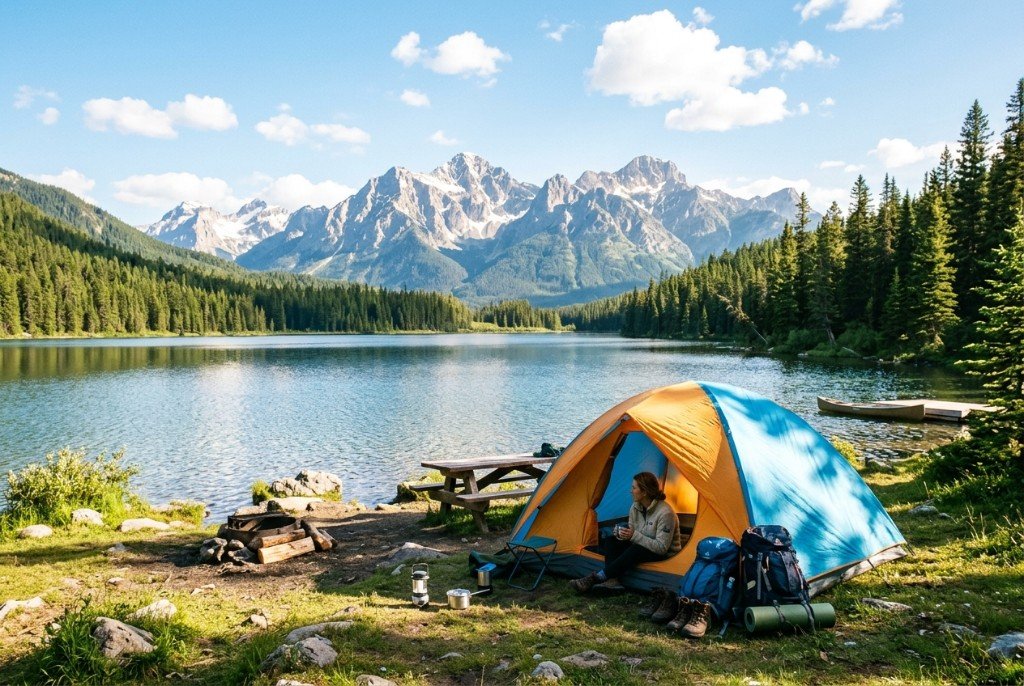
Caldera-lakeside bases (Shikotsu-Toya, Akan-Mashu): These sit lower (around 200–600m) but benefit from cold lake water moderating the air and near-constant breeze off the caldera rim. Facilities are more developed — many have coin showers, rental gear counters, and RV-friendly pads alongside tent sites. This is the easier entry point if you're not ready to haul full backcountry kit.
Coastal-adjacent forest bases (around Shiretoko, Kushiro wetlands): Lower elevation but far enough north and east that maritime fog keeps daytime highs mild. Expect denser tree cover, more wildlife (fox and deer sightings are routine, bear precautions are not optional), and a damper, mossier camp environment — pack a reliable rainfly regardless of forecast.
Across all three, assume no English signage past the main visitor center, and that reservations for named/numbered pads (as opposed to open first-come fields) are handled through Japanese-language portals or phone — more on that below.
When to Go and How to Get There
Season window: Hokkaido's camping season effectively runs mid-June through late September, with the sweet spot for cool-but-dry weather being mid-July through late August — exactly when the rest of Japan is at its worst. June brings lingering cold at altitude and some lowland rain; by late September, high-elevation bases are already dropping toward frost. If "escape the heat" is your primary goal, target the three-week window from the last week of July into mid-August, which overlaps with Honshu's peak heat and Hokkaido's most stable high-pressure stretches.
Getting there: New Chitose Airport (CTS), outside Sapporo, is the real hub for this trip — it has direct flights from Tokyo (Haneda/Narita, ~1h35m), Osaka, and several international routes seasonally. From New Chitose:
- Shikotsu-Toya bases: ~45–60 minutes by rental car, making this the easiest first stop if you're jet-lagged and don't want a long drive day one.
- Daisetsuzan / Sounkyo bases: Budget 3–3.5 hours by car, or take the JR train to Asahikawa (~1h40m from Sapporo, plus connecting bus to Sounkyo) if you're not renting a car for the whole trip.
- Akan-Mashu / Shiretoko bases: These are genuinely remote — plan 4.5–6 hours by car from New Chitose, or fly into Kushiro Airport instead, which cuts the drive to Akan down to about an hour.
A car is close to essential for this itinerary. Hokkaido's rail network thins out fast once you leave the Sapporo-Asahikawa corridor, and most of the best cool-weather camps are specifically chosen for being away from train lines. Rent at New Chitose and plan a loop rather than a single out-and-back — Sapporo to Shikotsu-Toya to Daisetsuzan to Akan and back via Kushiro is a realistic 6–8 day circuit.
Booking, Gear, and On-the-Ground Etiquette
Booking: Popular bases near Sounkyo and Shikotsu fill up fast on weekends in the July–August window — book numbered pads at least 3–4 weeks out through the site's official portal (often Japanese-only; a translated browser or a Japan-savvy booking agent helps). First-come, unnumbered fields exist at several Daisetsuzan-adjacent sites but arrive by early afternoon in peak season or you'll be pitching on the margins.
Gear to prioritize:
- A 3-season sleeping bag (5°C comfort rating) even in August if you're basing above 1,000m — Hokkaido's "cool escape" appeal cuts both ways at night.
- Bear spray/bell and proper food storage at any Daisetsuzan, Shiretoko, or Akan-area site — this isn't theater, brown bear activity is real and documented every season.
- A sturdy rainfly; Hokkaido's summer weather shifts faster than forecasts suggest, especially near the coast.
- Cash — many rural camp offices and onsen don't take cards.
Food and stay etiquette: Most bases are adjacent to small towns with excellent, cheap options — Sounkyo's riverside ryokan area has public foot baths and casual soba counters; Akan's lakeside town has Ainu-run craft shops and restaurants worth supporting directly. If a site has a shared cooking shelter, clean and vacate promptly during peak morning hours; many bases run on an honor system with no staff presence, so leaving gear scattered or fires unattended burns trust for the next traveler fast. Quiet hours (typically 10pm–6am) are taken seriously at the more established caldera-lake sites, less so at remote first-come fields — read the posted rules at check-in rather than assuming defaults from camps back home.
Was this page helpful?
Your feedback helps us improve our guides