
Izu Peninsula dive sites compared: Shimoda vs. Atami vs. Ito conditions
📅 2026-10-11
Why Izu, and Why Compare These Three Towns
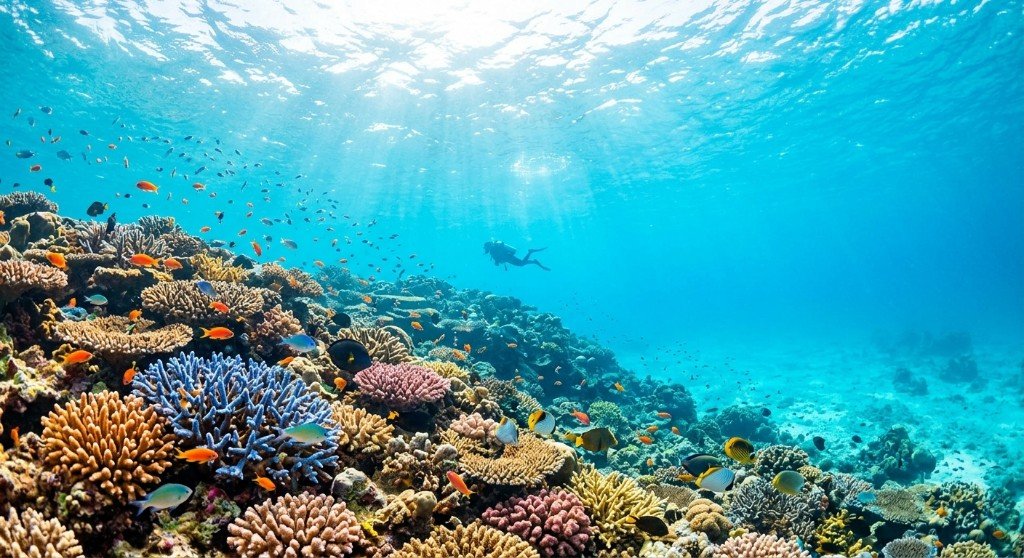
The Izu Peninsula juts south from Shizuoka Prefecture into the warm Kuroshio Current, giving Tokyo-area divers the closest reliable access to temperate-water reef diving without flying to Okinawa. Unlike the tropical coral systems further south, Izu is a temperate ecosystem — soft corals, kelp-adjacent rock reefs, and a mix of subtropical strays carried up by the current alongside cold-water residents. That overlap is what makes the peninsula interesting: you can see a clownfish and a rockfish on the same dive.
Shimoda, Atami, and Ito all sit on Izu's coastline, but they are not interchangeable. Shimoda faces the open Pacific at the peninsula's southern tip and gets the clearest, most current-driven water. Atami sits on the northeast coast closer to Tokyo, inside a more sheltered bay geography, and has built its identity around onsen tourism as much as diving. Ito, between the two, offers a middle ground — easy train access, calmer house-reef diving, and a long-running dive shop scene. Choosing among them is really a choice between visibility, protection from swell, travel time, and how much hand-holding you want as a beginner.
This comparison is for divers planning a Japan trip who are deciding where to base themselves, instructors sending students somewhere for open-water certification, and underwater photographers trying to figure out which town's house reef matches the subject they're chasing — macro critters, schooling fish, or wreck-adjacent structure.
Conditions Site by Site: Visibility, Swell, and What You'll See
Shimoda has the best average visibility of the three, often 10–20 meters on a good day, because it faces open ocean and gets flushed by cleaner offshore water. Sites like the dives off Mikomoto Island nearby are known for pelagic action — hammerhead sightings are a famous draw for advanced divers — but the in-town beach and boat dives around Shimoda itself are calmer and well suited to beginners, with sandy entries and gradual slopes. The tradeoff is swell: because Shimoda faces south toward the open Pacific, it's more exposed to typhoon swell and wind-driven surface chop than the other two towns, so trip reliability drops in late summer and early autumn.
Atami sits in a more enclosed bay on the northeast coast, which buys it calmer, more sheltered conditions on days when Shimoda is blown out. Visibility runs lower on average — often 5–10 meters — because the bay traps more sediment and the water sees less current flushing. What Atami gives up in clarity it makes up in consistency: the shore dive sites are protected from most swell directions, making it the most forgiving option for first-timers or for days when the forecast elsewhere looks marginal. Atami's reefs also lean toward macro life — nudibranchs, small crustaceans, and juvenile fish hiding in volcanic rock crevices (Atami sits near Izu's volcanic belt, and the rock structure underwater reflects that).
Ito is the comparison's middle point on almost every metric: visibility typically falls between Atami and Shimoda, swell exposure is moderate, and the local house reefs (several right off popular dive shop beaches) are shallow and current-light. Ito is often the choice for divers who want convenient repeat diving — doing four or five dives over two days on the same reef to really work a macro subject or refine buoyancy — rather than a single dramatic boat dive.
Season and Access: When to Go and How to Get There from Tokyo
Izu's diving season runs nearly year-round because the Kuroshio Current keeps water temperatures temperate rather than cold, but conditions shift noticeably by season:
- Spring (March–May): Water starts around 16–18°C, visibility improving as plankton blooms settle. Good for divers who don't mind a 7mm wetsuit or drysuit and want fewer crowds.
- Summer (June–August): Peak season, water reaching 24–26°C by August, best overall visibility window for Shimoda, but also peak typhoon risk from July onward — book with a flexible cancellation policy.
- Autumn (September–November): Warm water lingers, this is arguably the best combination of visibility and comfort, but typhoon season overlaps through October, hitting Shimoda hardest due to its open-ocean exposure.
- Winter (December–February): Water drops to 15–17°C, visibility often at its clearest for the year because there's no plankton bloom, and this is when Atami's and Ito's sheltered bays become genuinely more comfortable than Shimoda's exposed coast in wind.
Access from Tokyo: All three towns are reachable without a rental car, which matters if you're traveling with dive gear and don't want to deal with Japanese parking logistics at a dive shop.
- Atami is the closest and easiest: about 50 minutes from Tokyo Station on the JR Tokaido Shinkansen, or roughly 1.5–2 hours on local JR lines if you're budget-conscious. It's a realistic day trip from Tokyo.
- Ito adds about 20–30 more minutes via the JR Ito Line connecting from Atami, roughly 1.5 hours total from Tokyo by limited express (the "Odoriko" train runs direct from Tokyo to Ito).
- Shimoda is the furthest, about 2.5–3 hours from Tokyo via the Izu Kyuko Line extension of the Odoriko, which runs all the way down the peninsula's east coast. If you're set on the Mikomoto hammerhead dives, factor in this longer travel day plus a boat transfer from Shimoda port.
If you're combining diving with other Izu activities, note that this coastline also has a modest surf scene (small, wind-dependent breaks near Ito and along the Shimoda coast) and inland camping options in the hills above the peninsula, but neither rivals dedicated surf or camp destinations elsewhere in Japan — Izu's main draw for most visitors is the diving and onsen combination.
Practical Tips: Booking, Gear, and Etiquette for Comparing the Three
Booking: Japanese dive shops in all three towns generally require advance reservation, and many operate primarily in Japanese — English-speaking shops exist in Ito and Shimoda in particular because of long-running expat and tourist diver communities, so search specifically for "English OK" or "English-speaking" when booking if you're not comfortable with Japanese logistics. Atami shops cater more to a domestic Japanese weekend-trip crowd, so English support is less consistent.
Gear: A 5mm wetsuit covers most of the summer-to-autumn window; plan for a 7mm or semi-dry suit in winter and spring given the temperate (not tropical) water temperatures. Most shops rent full gear, but if you have your own mask and fins, bring them — rental fit for non-standard sizes can be inconsistent at smaller shops.
For beginners specifically: Atami's sheltered bay conditions make it the safest bet for a first open-water dive or certification course in Japan, especially outside peak summer when Shimoda's swell is more unpredictable. Ito is the next step up — still beginner-friendly but with slightly more current and depth variety to grow into. Save Shimoda's outer sites, and especially the Mikomoto hammerhead trips, for after you have a certification and some logged dives, since those boat dives involve current and depth that aren't beginner terrain.
Etiquette and extras: All three towns are built around onsen (hot spring) culture, and most dive shops either have an arrangement with a nearby onsen or are within walking distance of a public bath — budget time after a cold-water dive for a soak, which is as much a local custom as a practical way to warm up. Tipping isn't expected, but bringing small gifts (omiyage) if you're a repeat customer at a small family-run shop is appreciated and common practice. Finally, respect no-touch policies on the reefs — Izu's macro life, especially the nudibranchs and juvenile fish that draw photographers to Atami and Ito, is sensitive to contact and the local shops take reef etiquette seriously.
Was this page helpful?
Your feedback helps us improve our guides