
Izu Peninsula Complete Coastal Guide: Surf Breaks, Camping & the East Coast Circuit
📅 2026-09-27
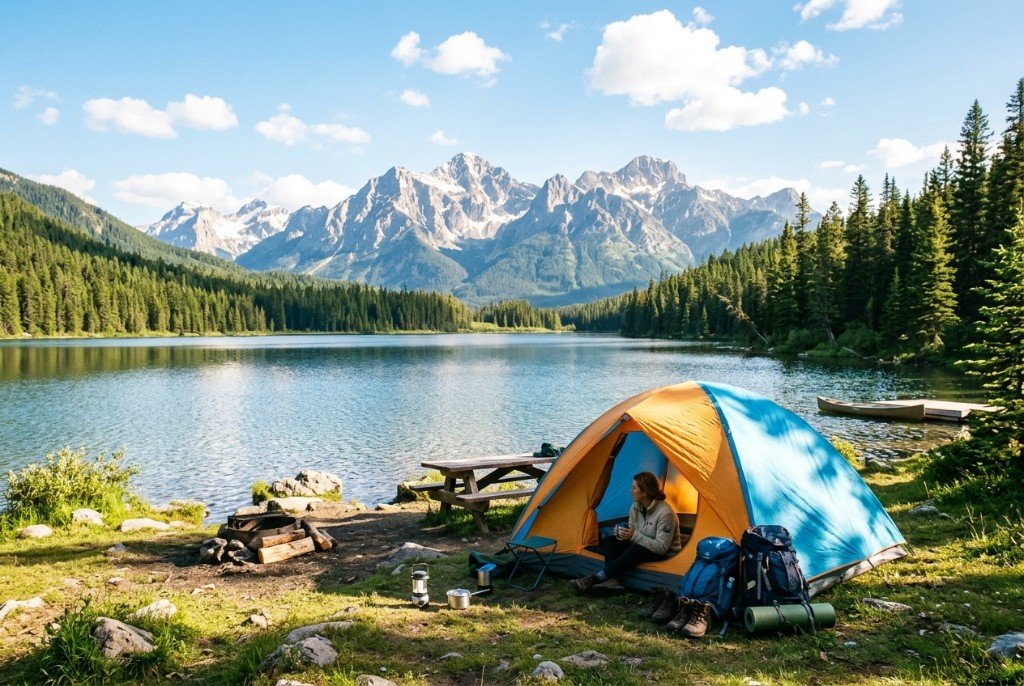
The Izu Peninsula juts south from Shizuoka Prefecture like a thumb pressed into the Pacific, and that geography is the whole story. One coast faces the open ocean and catches real swell; the other tucks into Sagami Bay and stays calm enough for beginners and families. Between the two, volcanic ridgelines drop straight into the sea, hot springs bubble up in fishing villages, and pine-shaded campgrounds sit within walking distance of the water. This guide walks the coastal loop the way most travelers actually do it — as a multi-day surf-and-camp circuit rather than a single day trip.
Who This Loop Is For
Izu rewards travelers who want ocean access without flying to Okinawa or Shikoku. It's the default coastal escape for Tokyo and Yokohama residents, which means weekday visits are dramatically quieter than weekends, but it also means the peninsula is built for independent travel — rental cars, small ryokan, and campgrounds that don't require Japanese fluency to book.
Surfers come for the east coast's consistent beach breaks and the point setups around Shimoda; campers come for the pine forests and rocky coves that ring the whole peninsula; onsen travelers come for the hot springs that follow the same fault lines that shaped the surf breaks in the first place. What makes Izu distinct from other Japanese surf regions is the combination — you can surf a dawn session, drive twenty minutes to a natural cliffside onsen, and pitch a tent by early afternoon. Few coastlines in Japan pack that much variety into such a short drive.
This is not the trip for anyone chasing big, powerful waves. Izu's swells are workable but rarely huge, and the east coast in particular is forgiving — a good place to learn, and a reliable fallback when Chiba or Shonan is blown out. If you want double-overhead barrels, Izu will disappoint. If you want a week of good-enough surf, easy camping, and genuine Shizuoka coastal culture, it delivers.
Reading the Coast: Breaks, Camp Layout, and What's Where
Izu's east coast is the workhorse of the peninsula. Running from Ito down through Kawana, Imaihama, and toward Shimoda, it's a string of sandy beach breaks that pick up windswell and typhoon groundswell from the south and southeast. Imaihama is the best-known spot on this stretch — a long, sandy beach break with a gentle enough shape that it doubles as a surf-school hub, but with enough size on a good swell to keep intermediate surfers interested. Further south, the coast gets rockier and more exposed, with points and reef sections near Shimoda that hold shape better when the wind turns onshore up north.
The west coast, facing Suruga Bay, is the calmer, more scenic half of the peninsula. It rarely produces surf worth chasing, but this is where Mount Fuji views over the water become a genuine reason to detour, and where the coastal road hugs cliffs instead of beaches.
Camping infrastructure is spread along both coasts, but the east coast has the higher concentration of car-accessible sites near the surf towns. Look for auto-campsites around the Ito and Kawana area if you want a five-minute walk to a break; further south near Shimoda, campgrounds sit in wooded coves that double as calm snorkeling and swimming spots when the surf is flat. Most sites offer a mix of tent pitches and small cabins, with shared bathhouses rather than private showers — bring your own gear for cooking, since many campgrounds are stocked for car campers rather than backpackers.
For anyone diving rather than surfing, the peninsula's volcanic coastline creates dramatic underwater topography — walls, swim-throughs, and warm-current fish life pushed up by the Kuroshio Current, concentrated around dive-focused towns on the eastern and southern tips. It's a legitimate scuba destination in its own right, not just a surf-trip add-on, and dive shops in these towns run boat trips daily in season.
Season and Access from Shizuoka and Tokyo
Izu works on two overlapping calendars: the swell season and the comfort season, and they don't fully align.
Best surf window: Late summer through autumn (August–October) brings the most consistent swell, driven by typhoon activity passing offshore. This is also when the water is warmest — often comfortable in boardshorts or a spring suit into October. The tradeoff is that a direct typhoon hit can shut the coast down entirely for safety, so check storm tracks before committing to travel dates, and always ask local shops about current conditions rather than relying on forecast models alone.
Best camping window: Late spring (May–June) and early autumn (September–October) offer the most comfortable temperatures for tent camping, avoiding both the humid peak of summer and the cold, windier stretch from December through February. Winter camping is possible and camps stay open, but expect cold nights, especially inland from the coast.
Getting there: Izu Peninsula sits at the southern edge of Shizuoka Prefecture, and Shizuoka City or the town of Ito are the practical hubs for planning. From Tokyo, the fastest route is the JR limited express (the Odoriko or Saphir Odoriko service) from Tokyo Station directly to Ito or Shimoda, taking roughly 2 to 2.5 hours depending on the train and final stop. By car, it's about 2 to 3 hours from central Tokyo via the Tomei Expressway and the Izu Skyline or coastal Route 135, and a car is genuinely useful once you're on the peninsula — surf breaks and campgrounds are spread along the coast road with limited bus frequency between them. If you're coming from western Japan, Shizuoka Station (on the Tokaigi Shinkansen line) connects to local trains and buses heading into the peninsula, though this route takes longer than coming via Tokyo.
Within Izu itself, the Izukyu Line runs down the east coast from Ito to Shimoda, stopping near several of the main surf beaches, which makes a car-free surf trip along this specific stretch realistic if you're willing to carry a board on local trains (padded board bags and off-peak trains make this manageable).
Booking, Gear, and Coastal Etiquette
Book surfboard and camping gear rentals in the town you're targeting rather than assuming availability — shops in Ito and near Imaihama rent boards and wetsuits by the half or full day, and most also offer beginner lessons, which is the easiest way to get read on which beach breaks are working that day without guessing. Reserve campsites in advance for weekends and the entire month of August; Izu is close enough to Tokyo that its coastal campgrounds fill up fast in peak summer, while weekday slots in shoulder season are often walk-up available.
A few practical notes specific to this coast:
- Respect the local surf hierarchy. Many east coast breaks have a strong community of local surfers and surf schools operating in the same lineup. Give way to lessons in progress, and don't paddle straight into a crowded peak without watching the rotation first.
- Check tide tables, not just swell forecasts. Several of Izu's beach breaks change shape significantly between tides — a fun morning break can go flat and closed-out by afternoon.
- Pack for volcanic terrain. Coastal trails and some camp access paths cross black volcanic rock that's sharp and can be slippery when wet; reef booties are worth the extra bag space even on a "sandy beach" trip.
- Onsen etiquette applies everywhere, including surf towns. Wash thoroughly before entering a shared bath, tie up long hair, and know that many traditional inns and public baths still restrict visible tattoos — check ahead if this applies to you, since Izu has fewer tattoo-friendly options than bigger cities.
- Eat where the fishing boats land. Izu's east coast towns, particularly around Ito and Shimoda, are known for fresh seafood donburi and grilled fish sets sold right near the harbors — a better and often cheaper meal than anything near the beach parking lots.
- Layer your itinerary around Shizuoka's shoulder-season quiet. If you can travel Sunday through Thursday, both surf lineups and campground availability improve noticeably, since Izu's biggest crowd draw is weekend day-trippers from the Tokyo metro area.
Historically, this coastline was a corridor of small fishing and hot-spring villages long before it became a surf destination — many of the onsen towns along the route predate modern tourism by centuries, and that fishing-village character still shapes daily rhythms: harbors are busiest at dawn, seafood markets close early, and the best local food is often simplest. Plan your surf sessions and camp setup around that rhythm rather than against it, and the whole Izu coast — east side breaks, west side calm, and everything camped in between — comes together as one of Shizuoka's most complete outdoor trips.
Was this page helpful?
Your feedback helps us improve our guides