
Izu Peninsula shore entry scuba: easy dives from the beach
📅 2026-10-11
Why Izu Is Japan's Easiest Place to Learn Diving From the Sand
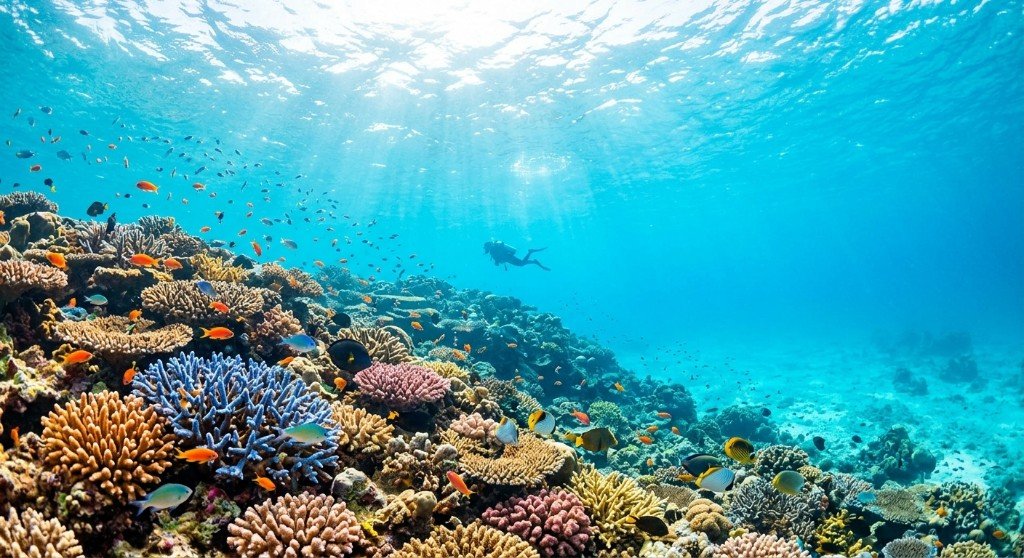
Most people picture scuba diving in Japan as a boat trip to Okinawa's reefs. The Izu Peninsula, jutting south from Shizuoka Prefecture about two hours from Tokyo, works completely differently — and that's exactly why it has quietly become the training ground for a huge share of Japan's certified divers. Izu's volcanic coastline drops into deep water fast, which means you get genuinely interesting diving — walls, swim-throughs, schooling fish, the occasional frogfish or seahorse — within a short surface swim of a parking lot. No boat, no 6 a.m. marina check-in, no seasickness on the way out.
This matters most if you're a beginner or a traveler short on time. Shore dive Izu sites let you control the pace: gear up at your own speed, do a beach entry when you're ready, and turn back the moment you want to. Dive shops here are built around exactly this workflow — many are literally across the street from the entry point, so you can rinse gear and get a coffee between dives instead of riding a boat back to a dock.
Izu also distinguishes itself culturally. The peninsula has been a fishing and hot-spring (onsen) region since the Edo period, and Shimoda at its southern tip is where Commodore Perry's "Black Ships" first anchored in 1854, opening Japan to foreign trade. That history gives the coast a layered feel — old fishing harbors and onsen inns sit right next to modern dive shops, so a dive trip here doubles easily as a slower, culturally rich weekend rather than just a sport outing.
Reading the Reef: Site-by-Site Conditions Along the Izu Coast
The sites that make Izu famous for beach entry are spread along the west and east coasts of the peninsula, each with a distinct personality:
- Osezaki (Numazu, west coast): The classic. A narrow gravel spit juts into Suruga Bay, giving you two shore-entry options — the calm "inside" bay for training dives and the deeper "outside" drop-off for drift along a wall that falls past 30m. Visibility is often excellent because it faces the open bay rather than a harbor.
- Izu Ocean Park (IOP), Futo: Purpose-built for shore diving, with a paved entry ramp, hot showers, gear rinse stations, and staff who brief conditions every morning. This is the single easiest beach entry in the region and the default choice for first-timers or anyone doing an Open Water course.
- Jogasaki Kaigan: Rugged volcanic coastline near Izu-Kogen with multiple named entry points along a coastal trail. Entries are rockier here — footwear and a guide matter more — but the terrain underwater (boulders, swim-throughs, occasional pelagic visitors) rewards the extra effort.
- Kawana and Atami: Closer to central Izu and Atami town, these are calmer, more sheltered coves — good for easier beach entry days when swell is up elsewhere, and convenient if you're based near Atami station.
Underwater, expect sandy and rocky slopes, kelp in cooler months, and a surprising density of small critters — nudibranchs, frogfish, pipefish — that make Izu popular with macro photographers as well as beginners. Suruga Bay's depth close to shore (it's one of the deepest bays in Japan) is also why larger pelagic species occasionally show up even on shallow shore dives.
Timing Your Trip: Seasons, Water Temps, and Getting to Izu from Tokyo
Season. Izu dives year-round, but conditions swing a lot:
- June–October: Warmest water (22–27°C), calmest average swell, best visibility — the easiest window for a beginner doing a no-boat, beach-entry dive. Late August into September is also typhoon season, so check swell forecasts in the days before you go; shore dive sites close fast when the surf picks up.
- November–May: Water drops to 15–18°C and a 5–7mm wetsuit or drysuit becomes necessary, but you often get the clearest visibility of the year and far fewer divers at the entry points.
Access from Tokyo. Izu is genuinely a day-trip or easy weekend from the capital:
- By train: Tokaido Shinkansen from Tokyo Station to Atami (about 40–50 minutes), then transfer to the JR Ito Line or Izukyu Line toward Ito or Izu-Kogen (another 20–40 minutes depending on destination). Osezaki requires a further local bus or taxi from Numazu or Mishima Station on the Shinkansen line.
- By car: Roughly 2 hours from central Tokyo via the Tomei Expressway to Numazu (for Osezaki) or via the Izu Skyline toward Ito and Jogasaki. A car is genuinely useful here since many shore dive sites, gear rinse stations, and the dive shops themselves are spread along the coast road rather than clustered near a train station.
- Nearest airport: Tokyo Haneda or Narita, then onward by Shinkansen — there's no need to fly directly into Shizuoka unless you're already elsewhere in central Japan.
Booking Smart: Gear, Shops, and Shore-Diving Etiquette
Booking. Reserve through a local dive shop rather than trying to free-dive the sites solo — most of Izu's beach-entry locations (Osezaki and IOP especially) are managed by shop associations that collect a small daily site-use fee and post real-time surf/visibility conditions. Shops rent full gear sets (BCD, regulator, wetsuit, fins) by the day, so a true beginner can show up with just swimwear and a towel. If you're working toward Open Water certification, Izu Ocean Park and Osezaki both host certified instructors running multi-day courses — book at least a week ahead in peak summer weekends.
What to bring. A rash guard or thin wetsuit layer even in summer (the bay water is cooler than the air), reef-safe sunscreen, cash for parking and site fees (many smaller operators aren't card-friendly), and water shoes for the rockier entries like Jogasaki.
Etiquette and safety. Shore dive culture here runs on self-discipline: check in and out at the shop or site log board so someone knows you're underwater, dive with a buddy even though no boat crew is tracking you, and respect the posted flag system — red flags at Osezaki and IOP mean conditions are closed to shore entry that day, full stop. Local fishing cooperatives still work these waters, so give fishing lines and nets a wide berth, especially near Osezaki's harbor side.
After the dive. Izu's onsen culture is the perfect complement to a cold beach entry — most towns along the coast (Atami, Ito, Shuzenji) have public or inn-based hot spring baths, and a surprising number of dive shops are a five-minute walk from one. Pair a morning dive with an afternoon soak and a plate of fresh Suruga Bay seafood — sakura shrimp and aji (horse mackerel) are local specialties — and you've got a complete, low-effort Izu weekend built around one simple idea: walk in from the beach, no boat required.
Was this page helpful?
Your feedback helps us improve our guides