
Kamikochi Konashidaira Alpine Camping Guide: Sleep Beneath Japan's Northern Alps
📅 2026-11-07
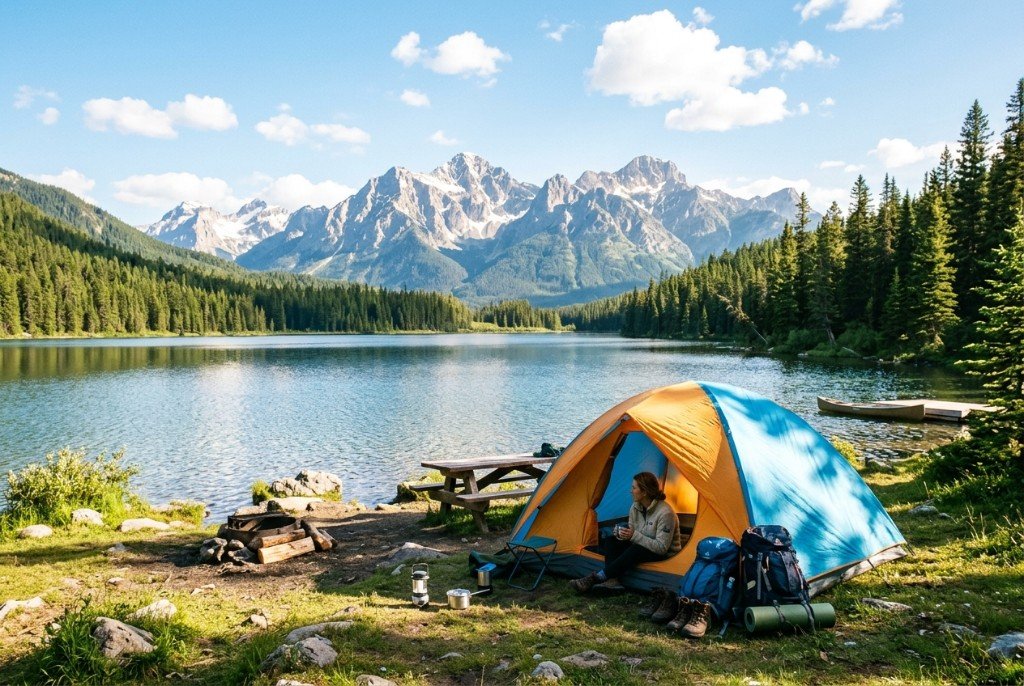
Kamikochi sits in a hanging valley at 1,500 meters, ringed by the jagged Hotaka Range and the smoking cone of Yakedake. It's one of the only places in Japan where you can pitch a tent in genuine high-alpine terrain without a multi-day approach hike — the valley floor itself is flat, forested, and reachable by bus. Konashidaira campground is the anchor for anyone doing kamikochi camping properly, and this guide covers who it suits, what the site and conditions are actually like, when to go, and the practical details that separate a good trip from a cold, frustrating one.
Who Konashidaira Suits — and Who Should Look Elsewhere
Konashidaira campground works best for hikers and photographers who want multiple days in the valley without the cost or scarcity of Kamikochi's mountain lodges. If your plan is sunrise shots of the Hotaka Range reflected in Taisho Pond, or you're using Kamikochi as a base for the Yarigatake or Okuhotakadake approach, staying at the campground rather than day-tripping buys you the golden hours when tour buses are gone and the valley is silent.
It's less suited to casual campers expecting campfire culture or car camping convenience. Kamikochi is a private-vehicle-free zone — everyone arrives by shuttle bus or taxi from a gate well outside the valley — so this is backpack-in camping, not drive-up. Open fires are banned throughout the valley, a rule tied to its status as part of Chubu-Sangaku National Park and the fragile subalpine vegetation along the Azusa River. If you want fire-pit evenings, this isn't your spot; if you want to wake up to mist rising off a glacial-fed river with ptarmigan calling from the willow brush, it's hard to beat anywhere else in Honshu.
Historically, Kamikochi's modern identity as a destination owes a lot to Walter Weston, a British missionary and mountaineer who popularized the valley among climbers in the late 1800s and is still honored with an annual festival (Weston Festival) each June. Before that, the valley was used seasonally by hunters and loggers but was considered too harsh for settlement — a fact still visible in how undeveloped the valley remains compared to other Japanese alpine resorts. That preserved character is the whole draw.
Konashidaira Campground: Layout, Facilities, and What the Ground Is Actually Like
Konashidaira sits just a short walk from the Kamikochi Bus Terminal, on the north side of the Azusa River near Kappa-bashi, the valley's iconic suspension bridge. This proximity is the site's biggest advantage — you're not hauling gear far from the bus drop-off, and you're within easy reach of the valley's best viewpoints: Myojin Pond (about 1 hour on foot one-way), Taisho Pond (about 20 minutes), and the Dakesawa approach toward Hotaka.
The campground itself is a mix of flat grass and packed-earth pitches shaded by larch and silver birch. Ground is generally forgiving for stakes, though the site sits on a floodplain, so after heavy rain some lower areas pool water — pitch on slightly elevated ground when you have the choice. Facilities include coin showers, flush toilets, a small shop for basic supplies and fuel canisters, and bear-proof food storage — black bears and occasionally the shier Asian black bear's cousins are active in the surrounding forest, and food left in tents is the single most common cause of wildlife incidents here. Cooking is done on your own stove; as noted, open flames and ground fires are prohibited valley-wide.
Nights at 1,500 meters drop fast even in summer — expect single digits Celsius even in August, and near or below freezing in shoulder season. The Azusa River itself runs glacier-and-snowmelt cold year-round, which keeps the air noticeably crisper than Nagano's valley towns. Many campers describe Konashidaira's conditions as closer to a true nagano alpine camp experience than anything at lower elevation in the prefecture — pack accordingly, not for a lowland summer night.
Season and Access: When to Go and How to Get There From a Real Hub
Kamikochi is only open seasonally — the valley access road closes under snow, and the park typically operates mid/late April through mid November, with exact dates announced each year. Within that window:
- Late April–May: Opening season, snow still visible on peaks, river running high with meltwater, campground facilities just reopening. Cold nights, thin crowds.
- June: Rainy season (tsuyu) brings wet, foggy days but intensely green valley floor and fewer day-trippers.
- July–August: Peak season. Warmest days, busiest trails and buses, but still cold nights at altitude — this is the easiest window logistically and the most crowded.
- September–October: The best balance for serious camping. Stable weather, crisp air, and from late September into October the Hotaka slopes turn gold and red with autumn foliage — arguably Kamikochi's most photographed season.
- November onward: Facilities close for winter; the valley becomes accessible only to experienced winter mountaineers.
Getting there: Kamikochi has no train station and no public parking inside the valley — all visitors transfer to a shuttle bus or taxi at Sawando or Taisho-ike gate. The real hub for most travelers is Matsumoto. From Matsumoto Station, take the Matsumoto Dentetsu Line to Shin-Shimashima Station (about 30 minutes), then a bus into Kamikochi (about 1 hour), for a total of roughly 2 hours door-to-door. Direct highway buses to Kamikochi also run seasonally from Matsumoto Bus Terminal, Nagano Station, and even Shinjuku in Tokyo during peak months — these cut out the transfer but take longer overall (4–5.5 hours from Tokyo). If you're driving, you'll park at Sawando and bus the final stretch; private cars are not permitted past that gate.
Booking, Gear, and Etiquette: Making the Trip Actually Work
Konashidaira doesn't typically require advance site reservations for individual tents in the way a hut does, but you should still plan around Kamikochi's bus capacity — peak summer and foliage weekends see long queues at Sawando, so book your shuttle bus ticket (many routes now sell reserved seats online) ahead of time rather than risking a multi-hour wait.
Gear checklist specific to this site:
- A 3-season tent rated for near-freezing nights, even in summer — altitude cold catches people off guard.
- A stove and fuel (canister stoves are sold at the campground shop, but don't count on availability during peak weekends).
- Bear-aware food storage habits — use the campground's provided storage or hang food; never keep food in your tent.
- Layered clothing: daytime valley-floor hiking can be warm, but wind off the Hotaka peaks drops temperature fast, especially near Taisho Pond and the river's open stretches.
- Cash and a refillable water bottle — river water is cold but not reliably potable without treatment; the campground sells bottled water and simple meals.
Etiquette and rules worth knowing: No open fires, no drones (strictly enforced within the national park), pack out all trash since bins are limited, and stay on marked boardwalks near the ponds — the wetland vegetation around Taisho and Myojin is slow-growing and easily damaged by foot traffic. Quiet hours are respected informally but seriously; this is a valley people come to for silence.
For food beyond your own cooking, Kamikochi Bus Terminal has a few restaurants and a general store, and the historic Kamikochi Imperial Hotel nearby serves meals to non-guests at a price — worth it once for the atmosphere, but most campers self-cater for the bulk of the trip.
Combined with a day hike toward Myojin or an early scramble partway up Yakedake's lower slopes, a two- or three-night stay at Konashidaira is enough to feel the valley's rhythm — cold, clear mornings, warm midday light on the river, and genuine alpine silence once the last bus pulls out for the day.
Was this page helpful?
Your feedback helps us improve our guides