
Manta Ray Diving in Japan: Ishigaki, Yonaguni, and the Best Seasons to Go
📅 2026-09-28
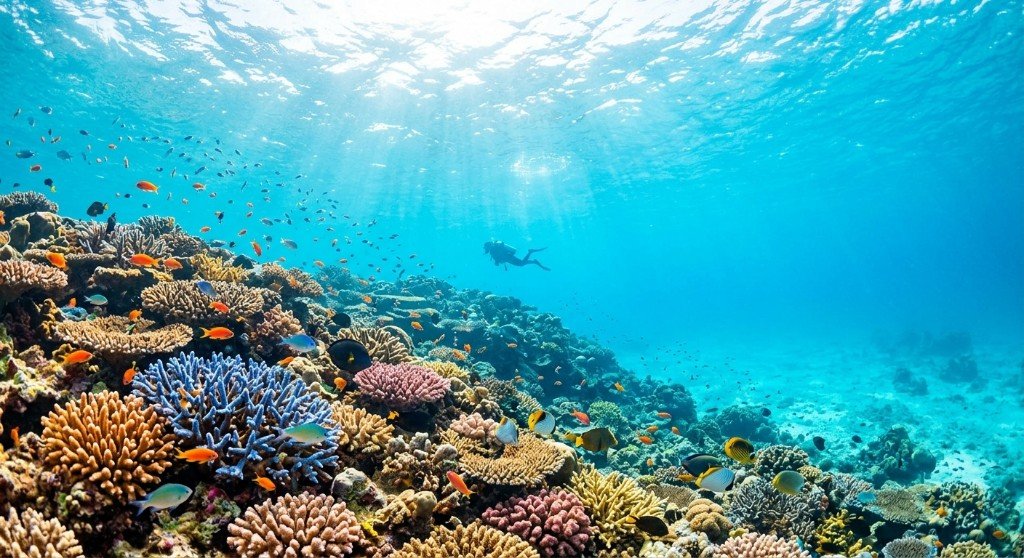
Why Okinawa's Southern Islands Are Japan's Manta Ray Capital
Most divers picture Japan as a cold-water, wetsuit-thick destination — and for much of Honshu that's accurate. But drop down to the Yaeyama Islands, at the southern tip of the Okinawan chain, and the water turns tropical, the visibility opens up, and manta ray sightings become almost routine rather than lucky. Ishigaki Island in particular has built its diving identity around one specific site — Kabira, known locally as the "Manta Scramble" — where reef manta rays (Mobula alfredi) gather at a shallow cleaning station to have cleaner wrasse pick parasites off their skin. This is not a fluke sighting spot; local dive shops track manta encounter rates the way ski resorts track snowfall, and Kabira has posted encounter rates above 80% in peak months for years.
What makes this distinct from manta diving elsewhere in the world — the Maldives, Socorro, Komodo — is the combination of shallow depth (the cleaning station sits around 10-18 meters), calm lagoon-side conditions, and proximity to a real airport with direct domestic flights. You don't need a liveaboard. You can dive Kabira in the morning and be eating tuna donburi at Ishigaki's fish market by lunch. Nearby Yonaguni Island, Japan's westernmost inhabited point, adds a second flavor entirely: fewer manta encounters but a shot at oceanic manta rays (Mobula birostris) and hammerhead shark schools in stronger current, plus the mysterious underwater rock formations divers still argue are natural or man-made. Together, Ishigaki and Yonaguni give visitors a rare one-trip contrast between a beginner-friendly manta cleaning station and a genuinely wild pelagic frontier.
Dive Site Conditions: Kabira's Cleaning Station vs. Yonaguni's Pelagic Drift
Ishigaki — Kabira Manta Scramble and Manta City. The main cleaning station sits on a sandy-bottomed reef shelf in Kabira Bay, sheltered enough that even Open Water-certified divers with a handful of logged dives can join. Divers settle on the sand or behind coral bommies at 12-16 meters and wait; mantas circle the cleaning station repeatedly, sometimes passing within arm's reach, though touching is strictly prohibited and shops enforce a no-flash, no-touch, stay-low code to avoid spooking them off the station. Currents here are mild to moderate — this is a lagoon-protected site, not open ocean, which is why visibility can actually drop after heavy rain runoff from the nearby river mouth. A second, less crowded site called "Manta City" a short boat ride further out sees fewer divers and slightly stronger current but similarly frequent visits.
Yonaguni — Pelagic drift diving. This is a different animal. Yonaguni sits in open water 111 km west of Ishigaki, exposed to genuine Pacific current, and diving here is drift-style: you descend along a wall or the famous submerged "Ruins" formation and let the current carry you past cleaning stations frequented by hammerheads (December-March) and, less predictably, oceanic mantas passing through on migration. Visibility regularly exceeds 30 meters on good days but the current can be strong enough that shops require Advanced certification and a demonstrated comfort with drift entries and surface signaling devices. This is not a site for a first ocean dive — go to Kabira first if you're building confidence.
Season and Access: When to Fly, When to Dive, and How to Get There
Manta season timing. Ishigaki's mantas are present at Kabira nearly year-round, but the reliable encounter window runs April through November, peaking in the humid summer months of June through September when water temperature sits around 27-29°C and plankton density (which draws the cleaner fish and, in turn, the mantas) is highest. Winter (December-March) sees water drop to a still-swimmable 22-24°C with a 5mm wetsuit, and encounter rates dip but don't vanish — this is also when Yonaguni's hammerhead season overlaps, making a winter trip a genuine two-for-one if you split time between islands. Typhoon season (roughly August-October) is the trade-off for the warmest water: expect at least one or two weather-cancelled dive days if you're visiting during peak typhoon months, so build slack into your itinerary rather than a rigid schedule.
Getting to Ishigaki. The hub is Naha, Okinawa's main airport, with direct domestic flights from Tokyo Haneda/Narita (about 3 hours), Osaka Kansai (2.5 hours), and Fukuoka. From Naha, a connecting flight to New Ishigaki Airport takes roughly 1 hour, and several airlines (ANA, JTA, Peach, Skymark) also run direct flights straight from Tokyo or Osaka to Ishigaki, skipping the Naha layover entirely — worth checking on days when schedules allow it, since it saves half a travel day. Ishigaki town, where most dive shops and guesthouses cluster, is a 20-25 minute taxi or airport shuttle bus ride from New Ishigaki Airport.
Getting to Yonaguni. From Ishigaki, a short 30-minute domestic flight on a small propeller plane (RAC, a subsidiary of JAL) reaches Yonaguni Airport; there's no direct international access, and flights are limited to one or two a day, so book well ahead, especially in hammerhead season. A slower ferry option exists but runs infrequently and is highly weather-dependent — flying is the practical choice for most visitors.
Booking, Gear, and Etiquette for a Respectful Manta Encounter
Book your dive shop at least a few weeks ahead during peak season (June-September and the winter hammerhead window draw the most bookings), and ask directly about the shop's manta encounter rate for the specific week you're visiting — reputable Ishigaki operators track and share this data because it's their main selling point. Most shops offer 2-tank morning trips to Kabira with English-speaking guides, gear rental (BCD, regulator, 3mm-5mm wetsuit depending on season), and Nitrox as an option for longer bottom time at the cleaning station depth.
On etiquette: Japan's dive community has been vocal about manta conservation after crowding incidents at popular cleaning stations elsewhere in the world, so expect a strict briefing — no touching, no chasing, no flash photography, and maintaining a minimum distance so the manta can complete its natural cleaning behavior rather than fleeing the station. Groups are typically capped at 4-6 divers per guide for this reason. For Yonaguni's drift and hammerhead sites, current can be genuinely strong, so bring or rent a safety sausage and whistle, and confirm your shop briefs on drift entry/exit procedures before the boat leaves the dock.
Where to stay: Ishigaki town has the highest concentration of dive-shop-adjacent guesthouses and is walkable to the fish market and izakaya strip, making it the practical base even if you're diving Kabira on the north side of the island (most shops include hotel pickup). If you're island-hopping to Yonaguni, budget an extra night there rather than a day trip, since flight schedules are thin and weather delays are common — locals half-joke that Yonaguni decides for itself when you're allowed to leave. Pair the trip with the island's small but excellent moromi shochu distilleries and the dramatic cliffside views near Cape Irizaki, Japan's westernmost point, for a rest day between dives.
Was this page helpful?
Your feedback helps us improve our guides