
Izu Mikomoto Hammerhead Shark Diving Guide: Japan's Big Fish Capital
📅 2026-11-07
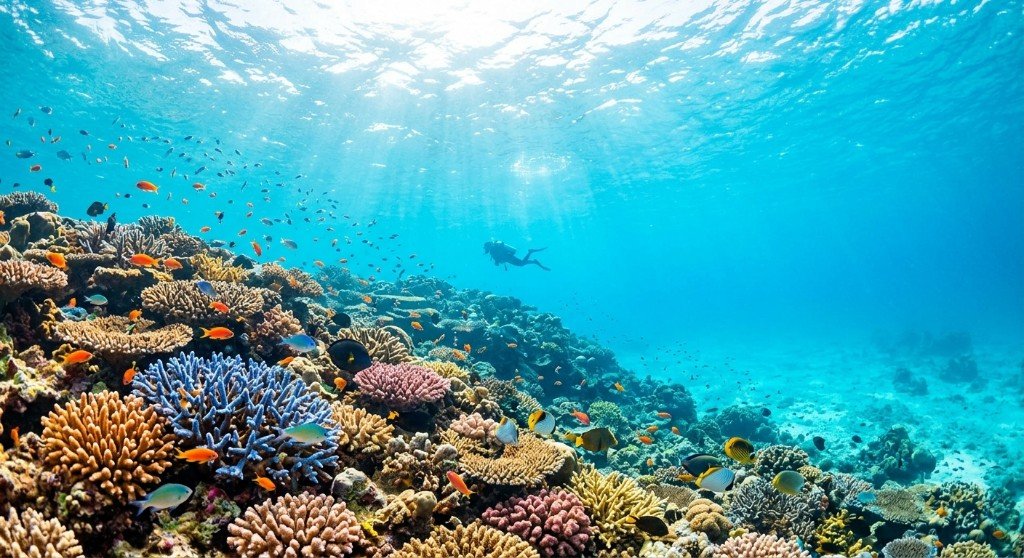
Why Mikomoto Draws Divers That Other Izu Sites Can't
Most people who dive the Izu Peninsula are chasing nudibranchs, soft coral walls, and the occasional sea turtle. Mikomoto Island is a different animal entirely — literally. This small, uninhabited rock formation sitting roughly 3 km off the southern tip of Izu, near Shimoda, is one of the only places in Japan where recreational divers can reliably encounter schooling hammerhead sharks in open water.
Mikomoto island diving isn't a gentle reef drift. It's a current-swept pinnacle dive where the Kuroshio Current collides with cooler coastal water, creating the nutrient-rich conditions that pull in big pelagic life: hammerheads, occasional whale sharks in late summer, large schools of yellowtail and barracuda, and enough current to make every dive feel like an event rather than a stroll. The izu hammerhead shark sightings here aren't guaranteed on every trip, but Mikomoto has built its reputation over decades as the most consistent hammerhead site in mainland Japan, which is why serious divers treat a Mikomoto trip as a pilgrimage rather than a casual weekend outing.
What makes this distinct from, say, Hachijojima or Okinawa's shark dives is the setting: a lone volcanic islet with a working lighthouse, exposed to open Pacific swell, reachable only by small dive boat from Shimoda's harbor. There's no beach entry, no gentle bay — you're diving a true offshore pinnacle, and the island's isolation is exactly what keeps the marine life wild and the water clear.
Dive Conditions, Site Layout, and What to Expect Underwater
Mikomoto is split into several named dive points around the island, with boats choosing the site based on current direction and swell on the day. The hammerhead encounters typically happen along the deeper drop-offs and current-exposed points on the island's southern and eastern faces, where sharks patrol the blue water edge rather than hugging the rock.
Expect the following on a typical day:
- Depth range: Most hammerhead-focused dives run 20–30 meters, occasionally deeper if the boat captain spots activity further down. This is an advanced-level site; Mikomoto is not where you want to be working on buoyancy basics.
- Current: Often strong and unpredictable, sometimes requiring a reef hook or careful positioning behind rock structures to hold position while scanning the blue. Drift dives are common when current is too strong to anchor.
- Visibility: Generally excellent by Japan standards — 15 to 25 meters is typical when the Kuroshio Current is running clean, though it can drop sharply after storms or heavy rain runoff from the peninsula.
- Water temperature: Ranges from around 18°C in early spring to near 27°C in late summer, meaning a 5mm wetsuit works for peak season but a drysuit or thick semi-dry setup is worth considering outside of July–September.
- Marine life beyond hammerheads: Large schools of striped jack and yellowtail, moray eels in the rock crevices, occasional mobula rays, and macro life for those who want to look closer at the volcanic rock structure between big-animal moments.
Guides at Mikomoto operate with a strict protocol: stay as a tight group, avoid chasing sharks, and let the animals approach on their own terms. Hammerheads here are skittish compared to the more habituated sharks divers might encounter in places like the Galapagos or Cocos Island, so patience and calm buoyancy control matter more than aggressive positioning for photos.
Best Season and How to Get There From Tokyo
Season window: The core hammerhead season at Mikomoto runs from roughly June through October, with July to September considered peak for both shark frequency and warm, comfortable water. Shoulder months (May and November) can still produce sightings with fewer boats competing for space, though conditions are less predictable and water is cooler. Winter diving (December–March) is possible for the hardy, but hammerhead sightings drop off significantly and the trip becomes more about general Izu marine life and winter clarity than shark encounters specifically.
Getting to the hub — Shimoda: Almost every Mikomoto dive trip departs from Shimoda, a small port town at the southern tip of the Izu Peninsula.
- By train from Tokyo: Take the JR Odoriko or Super View Odoriko limited express directly from Tokyo Station to Izukyu-Shimoda Station — about 2.5 to 3 hours door to door, no transfers needed. This is the easiest option if you don't want to drive.
- By car: From central Tokyo, it's roughly 3 to 3.5 hours via the Tomei Expressway and Izu Skyline/Route 136, depending on traffic. A car gives flexibility for exploring the rest of Izu (onsen towns, surf breaks near Shimoda, coastal camping) before or after your dive days, but parking near dive shop pickup points should be confirmed in advance.
- By bus: Direct highway buses run from Tokyo to Shimoda, a budget-friendly but slower option at around 3.5 to 4 hours.
- From the airport: If arriving internationally via Haneda or Narita, plan on routing through Tokyo Station first — there's no direct airport-to-Shimoda transit, so budget an extra hour or two for the connection.
From Shimoda port, dive boats take roughly 30–45 minutes to reach Mikomoto itself, and the crossing can be rough in anything but calm conditions, so motion sickness medication is worth packing if you're prone to seasickness.
Booking, Certification, and On-the-Water Etiquette
Mikomoto is not a beginner site, and reputable shops will ask about your certification level and recent dive experience before confirming a booking. At minimum, an Advanced Open Water certification is expected, and shops strongly prefer divers with current experience (logged dives within the past 6–12 months) given the current and depth involved. If you're earning your scuba certification in Japan specifically to prepare for this trip, Izu's other sites — like the gentler walls around Kawana or Jogashima — are excellent places to build skills and log dives before attempting Mikomoto, and several Shimoda-based shops offer the full certification pathway (Open Water through Advanced) using local training sites before graduating students to the island trip.
Booking tips:
- Book well ahead for July–September weekends; Mikomoto trips fill fast with both local Japanese divers and international visitors specifically chasing hammerheads.
- Most shops run day trips with two dives, departing Shimoda in the morning and returning by mid-afternoon. Multi-day packages with lodging in Shimoda are common and reduce the stress of an early departure.
- Confirm whether rental gear includes a reef hook — many shops provide one given how often it's needed at Mikomoto, but it's worth asking rather than assuming.
- English-speaking guides are available at several Shimoda shops given the site's international reputation, but confirming language support ahead of booking avoids surprises.
Etiquette and practical notes:
- Never chase or corner a hammerhead for a photo; the near-universal rule at Mikomoto is to stay still and let sharks pass naturally — chasing is what causes them to flee the area entirely for the rest of the day, ruining the dive for everyone on the boat.
- Dive in tight buddy groups; the current and depth make straggling genuinely risky, not just a courtesy issue.
- Surface signaling devices (safety sausage, whistle) are standard expectations given the open-water drift potential.
- After diving, Shimoda town is worth a night or two on its own — it has a layered history as one of the first Japanese ports opened to foreign trade under the 1854 Treaty of Kanagawa with Commodore Perry, and the harbor area still has temples and small museums tied to that period, plus excellent fresh seafood donburi shops near the port that make a satisfying post-dive meal.
- If swell or wind cancels the Mikomoto run, shops typically pivot to sheltered Izu sites as backup — build a buffer day into your itinerary rather than scheduling a single high-stakes dive day with no slack.
For surfers or campers rounding out an Izu trip, the peninsula's western coast near Matsuzaki offers surf breaks with far less crowding than Shonan, and several campgrounds along the Izu coast make for a scenic, budget-friendly base if you're stretching a Mikomoto trip into a longer peninsula tour.
Was this page helpful?
Your feedback helps us improve our guides