
Beginner Scuba in Okinawa: Calm Reef Dives and the Best Local Dive Shops
📅 2026-10-11
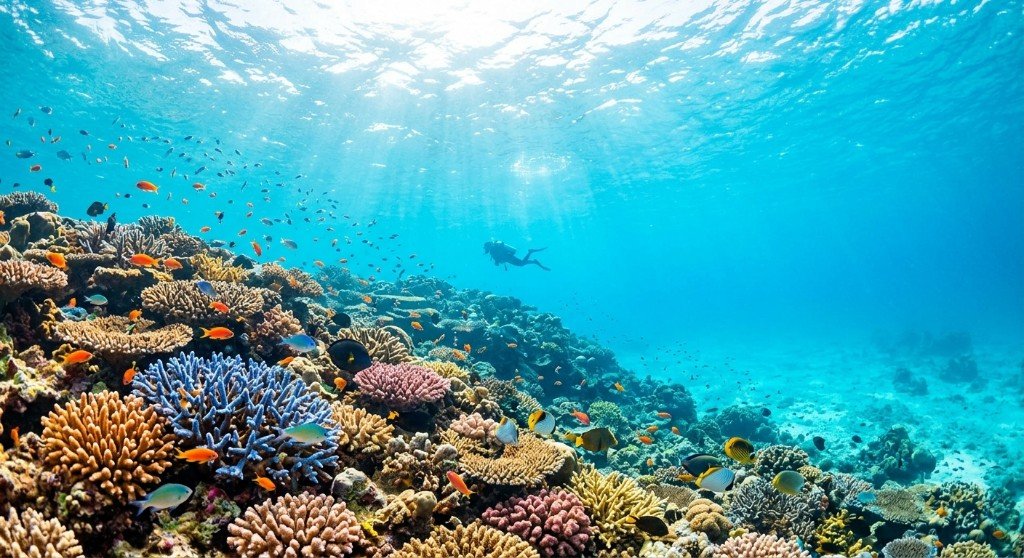
Okinawa is the one place in Japan where "learn to scuba dive" and "easy, low-stress vacation" belong in the same sentence. While the mainland's dive culture leans toward drysuits, strong currents, and cold-water technical sites, Okinawa's southern reef system gives first-timers warm, clear, shallow water almost year-round. This guide covers who should come here, what the actual dive conditions look like, when to go and how to get here, and the practical details — booking, gear, etiquette — that make the difference between a forgettable pool session and a real love of the ocean.
Why Okinawa's Calm Lagoons Are Japan's Best Classroom for Beginner Scuba
Okinawa is built for beginner scuba in a way few destinations are. The main island and its satellite islands — Kerama, Miyako, Ishigaki — sit inside a wide fringing reef system that breaks up ocean swell long before it reaches the shore. That means many of the best teaching sites are effectively calm-water lagoons: sandy bottoms at 5–12 meters, mild or nonexistent current, and visibility that regularly hits 20–30 meters outside of typhoon season. You get coral walls, sea turtles, and reef fish without the surge and chop that make first open-water dives stressful elsewhere.
This matters for who this trip is for. If you've never put a regulator in your mouth, Okinawa is a legitimate place to go from zero to certified in three or four days, not just a place to do a supervised "experience dive" and call it done. It also suits travelers who want to combine diving with a beach vacation — partners or kids who don't dive can snorkel the same calm lagoons while you're underwater, and most dive shops run half-day schedules that leave afternoons free. Strong swimmers nervous about open ocean, people recovering confidence after a bad dive experience elsewhere, and families looking for a shared activity all do well here.
There's a cultural layer worth knowing before you go under. The Ryukyu Kingdom that once governed these islands built its economy and diet around the reef — Okinawan cuisine still features umibudo (sea grapes) and reef fish harvested using traditional net and spear methods that predate SCUBA by centuries. Many local dive shop owners are multigenerational fishing-family descendants who transitioned into tourism as fish stocks and regulation shifted in the late 20th century; ask and most will happily explain which reef sections are community-protected fishing grounds versus open dive zones, which adds real context to what you're swimming over.
Reading the Reef: Dive Sites, Visibility, and What Beginners Will See
Not all of Okinawa's reef is equally calm, so it helps to know the geography before picking a shop. The Kerama Islands, a 30–50 minute boat ride from Naha, are the single best beginner zone in the prefecture — the Keramas sit in a semi-enclosed channel that blocks most Pacific swell, and sites like Geruma, Maejima, and the shallow coral gardens off Zamami regularly offer 25+ meter visibility with gentle or no current. This is where most Naha-based dive shops take certification students for open water dives.
Closer to the main island, Onna Village on the west coast is Okinawa's most developed beginner-dive hub — the "Blue Cave" (Aoi Doukutsu) is shallow, calm, and accessible by boat or even a short swim from shore, making it popular for both snorkeling and first scuba dives. Visibility here is slightly lower than the Keramas (10–20 meters) because it's closer to the coastline and gets more runoff after rain, but the trade-off is convenience — you can dive twice and be back at your hotel pool by 2pm.
Further south, Miyako Island has some of the clearest, calmest water in the prefecture thanks to minimal river runoff and a well-protected reef shelf, though it requires its own flight from Naha rather than a day trip. Ishigaki and the Yaeyama Islands offer similarly calm conditions plus Japan's best odds of swimming with manta rays on a dedicated excursion, but that's more of a second-trip destination once you're certified.
Expect to see hard and soft coral gardens, clownfish and anemones, parrotfish, and green sea turtles on nearly every beginner dive — turtle sightings in the Keramas are common enough that shops treat them as routine rather than lucky. Water temperature ranges from around 22°C in winter to 29–30°C in summer, so a 3mm wetsuit covers most of the year and a 5mm is only really needed December through February.
Weather Windows and Getting to Okinawa's Dive Coast
Season and access go hand in hand here. The dive-friendly window runs roughly April through November, with June–September offering the warmest water and calmest average conditions, though it overlaps with peak typhoon risk (most active July–October) — shops cancel or reschedule around storms, so build a buffer day or two into any trip during that stretch if certification is the goal. April–May and October–November are the sweet spot for many repeat visitors: water is still warm, crowds and prices drop from summer peaks, and typhoon frequency is lower. Winter (December–March) is viable and notably quieter, with cooler but still swimmable water, and it's whale-watching season around the Keramas as a bonus if you're not strictly focused on diving.
Naha is the real hub for this entire guide. Naha Airport has direct flights from Tokyo (about 2.5–3 hours), Osaka, and other major Japanese cities, plus direct international routes from Taiwan, South Korea, and parts of China — for most travelers it's simpler to fly straight into Naha than to connect through mainland Japan. From Naha Airport, the monorail (Yui Rail) connects you to central Naha in about 15 minutes, which is where most dive shops that run Kerama Island trips are based and where they'll typically arrange hotel pickup.
If you're diving the Onna Village sites on the main island instead of the Keramas, plan on a rental car or shop shuttle — it's roughly 45–60 minutes north of Naha by car, and public transit options are limited, so most beginner divers either rent a car for the week or book a shop that includes round-trip transport in the course price. For Miyako or Ishigaki, you'll need a separate domestic flight from Naha (about 45–50 minutes), so factor that into your itinerary if you want to dive both the main island and the outer islands on one trip.
Booking a Dive Shop, Packing Gear, and Reef Etiquette That Matters
Picking the right dive shop matters more for beginners than for certified divers, since you're trusting them with both instruction quality and safety margins. Look for PADI or NAUI-affiliated shops with English-speaking instructors if you don't read Japanese — most Naha- and Onna-based shops catering to tourists fit this, and it's worth confirming instructor-to-student ratios before booking; a 1:2 or 1:4 ratio for open water certification dives is standard and reasonable, anything looser is worth questioning. Book certification courses (typically PADI Open Water, 3–4 days) at least a few weeks ahead in peak summer months, since shop calendars fill fast around Japanese Golden Week and the Obon holiday in August.
If you're not ready to commit to a full certification, nearly every shop also offers a one-day "Try Scuba" or Discover Scuba Diving experience dive — no certification required, done in the same calm reef conditions, and a good way to test whether you want to commit to the full course on a return trip.
On gear: most shops rent full sets (BCD, regulator, wetsuit, fins, mask) as part of the course or dive-trip price, so you don't need to own anything to start. If you dive often, bring your own mask and a rash guard or 3mm wetsuit for comfort and hygiene reasons, but don't buy a full kit before you've confirmed you enjoy it. Reef-safe sunscreen is worth packing specifically — Okinawa's reefs have been stressed by bleaching events, and several shops now explicitly ask divers to avoid oxybenzone-based sunscreen before getting in the water.
Reef etiquette is taken seriously here: no touching coral (even "just to steady yourself," which is the single most common beginner mistake), no feeding fish, and no fins up near the coral shelf — a well-run shop will brief this before every dive, and it's a fair sign of quality if they do. Finally, build in a no-fly buffer of at least 18–24 hours after your last dive before boarding a flight home, which for most trips just means planning your last dive for the morning rather than the afternoon of departure day.
Was this page helpful?
Your feedback helps us improve our guides