
Booking an Okinawa dive operator: boat dives, group sizes, and area selection
📅 2026-10-11
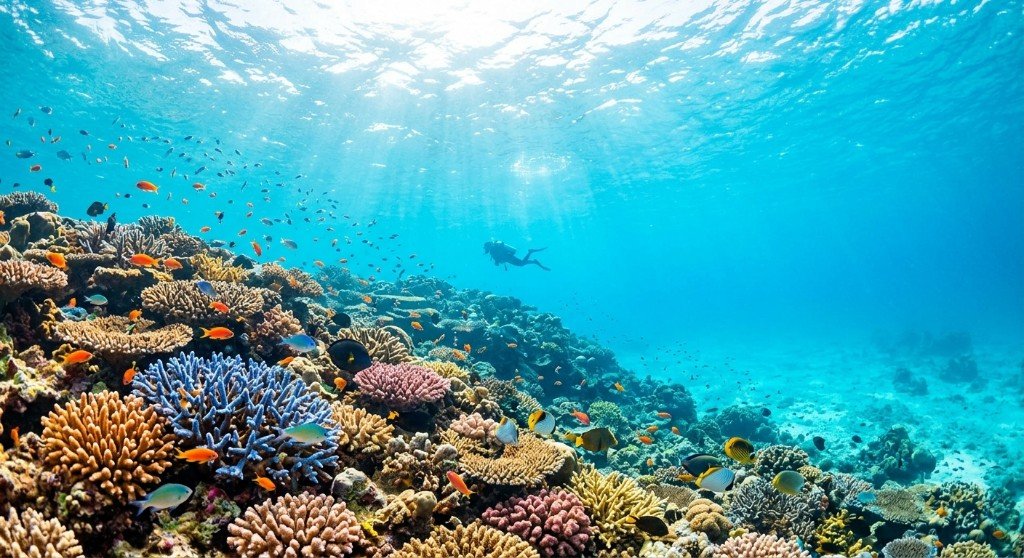
Okinawa's reef systems, blue holes, and wreck sites draw divers from across Asia, but the quality of your trip depends far more on the dive operator you book than on the island you pick. This guide breaks down how to choose a dive operator in Okinawa, what to expect from a boat dive day trip, and how group size and area selection change the experience.
Who This Guide Is For
This is written for divers planning an Okinawa trip who have at least open-water certification and want to book boat dives rather than shore dives. It covers Okinawa Honto (the main island, including the Kerama Islands day-trip zone), Miyako, and Ishigaki/Yaeyama — the three regions where almost all commercial boat diving happens. If you're a first-timer wondering whether to dive at all, or a tech diver chasing specific wrecks, the operator vetting process below still applies, but you'll want to be explicit about your goals when booking since not every dive operator runs every site.
What makes Okinawa distinct compared to mainland Japan diving (Izu, Kushimoto) is water clarity and reef structure — the Kerama Islands routinely post 30m+ visibility, and the limestone-based topography produces caves, arches, and blue holes you won't find around Honshu. The trade-off is that Okinawa's dive season and typhoon exposure are different from the mainland, and boat access matters more here since many of the best sites simply aren't reachable from shore.
Dive Sites and Boat Dive Conditions by Area
Kerama Islands (from Naha/Okinawa Honto): This is the classic boat dive day trip — a 30–45 minute crossing from Naha or Zamami to reach reef walls, coral gardens, and the Keramas' famous visibility. Most operators run two-tank boat dives with a surface interval on a beach or anchored boat. Currents are generally mild to moderate, suitable for advanced open-water divers; a few sites (drift-prone channels) are better reserved for more experienced groups.
Miyako Island: Known for cave and arch topography — Antonio Gaudi, Grand Canyon, and several blue holes. Boat dives here often involve swim-throughs and overhead environments, so confirm with your dive operator whether a site requires cavern training or just comfort with low-light passages. Conditions are calmer on the west side; the east side sees more swell when the wind shifts.
Ishigaki/Yaeyama: Manta Scramble is the headline site, with cleaning stations that produce near-guaranteed manta sightings from spring through autumn. This area also has the widest range of boat sizes, from small 6-diver skiffs to larger live-aboard-style day boats, so group size varies more here than elsewhere.
Across all three areas, boat dives typically run as two-dive day trips departing between 8:00 and 9:00 AM, returning by early-to-mid afternoon. Afternoon-only half-day single-tank trips exist but are less common outside Ishigaki.
Season and Access: When to Go and How to Get There
Season window: April through November is the core dive season, with May–June and September–November offering the best combination of calm seas and good visibility. July–August has the warmest water but also peak typhoon risk and crowded boats. December–March is diveable (water stays around 20–22°C) but many smaller operators reduce schedules, and rough winter swell cancels boat dives more frequently — pack a thicker wetsuit if you go.
Access by region:
- Okinawa Honto / Kerama Islands: Fly into Naha Airport (OKA), the main hub, served by direct flights from Tokyo, Osaka, and several other Asian cities. Most Kerama-focused dive operators pick up divers directly from Naha-area hotels or the Tomari Port ferry terminal, so a rental car isn't necessary if you're staying near the port.
- Miyako: Fly into Miyako Airport (MMY), roughly 50 minutes from Naha, or via a longer connection from Tokyo/Osaka. A rental car is useful since dive shops are spread across the island rather than clustered near one port.
- Ishigaki/Yaeyama: Fly into New Ishigaki Airport (ISG), about 1 hour from Naha or roughly 3 hours direct from Tokyo/Osaka on seasonal routes. Dive operators here commonly offer hotel pickup, but a car helps if you want to combine diving with exploring Taketomi or Iriomote on rest days.
Typhoon season (roughly June–October) can disrupt any of these routes, so build at least one buffer day into your itinerary, especially if you're booking a multi-day boat dive package.
Practical Tips: Booking, Group Size, Safety, and Etiquette
Booking: Reserve your dive operator at least 2–3 weeks ahead for peak season (July–August, Golden Week, year-end). Confirm in your booking message: certification level, number of dives, whether gear rental is included, and whether the boat trip is a shared charter or private. Many operators list prices per dive plus separate equipment rental fees — ask for an all-in quote before confirming.
Group size: Boat dive groups in Okinawa commonly run 4–8 divers per guide on standard day trips, though some Kerama operators cap groups at 4 for drift-prone sites. If you want more individual attention — useful for photography, buoyancy work, or diving with kids — ask specifically for a smaller group or private-guide option; expect to pay a premium of roughly 30–50% over the shared-boat rate.
Safety: Verify the dive operator carries DAN Asia-Pacific insurance coverage for guests and ask about their cancellation policy for rough seas — reputable shops will not push a boat dive in marginal conditions just to avoid a refund. Confirm nitrox availability if you're doing multiple dives per day, and always disclose any medical conditions or recent flights (avoid diving within 18–24 hours of arrival if you're adjusting to altitude changes from flying).
Etiquette and gear: Bring your own mask and regulator if you have them; rental BCDs and tanks are standard but mask fit varies. Reef-safe sunscreen is effectively mandatory in the Kerama Islands' marine protected zones. Tip in cash is not customary in Japan, but a verbal thank-you to the boat crew and guide at day's end is appreciated. For food after a dive day, most ports (Naha, Ishigaki, Miyako) have straightforward options near the harbor — don't plan anything elaborate, since boats often return later than scheduled if conditions shift.
Stay: Basing yourself within walking distance of your dive operator's pickup point (or the port itself) removes a layer of logistics on early-departure days — most Kerama and Ishigaki boats leave by 8:30 AM, and traffic or bus delays on the way to a 7:45 check-in are a common source of missed trips.
Was this page helpful?
Your feedback helps us improve our guides