
Best Scuba Seasons in Okinawa: A Month-by-Month Guide to Water Temperature and Visibility
📅 2026-09-28
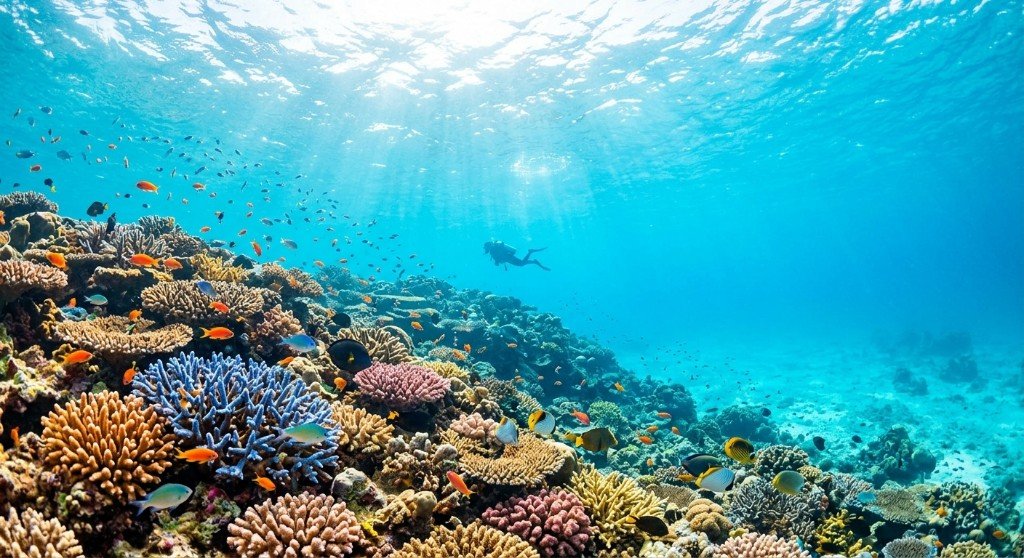
Okinawa is Japan's warmest and most reliable dive destination, sitting closer to Taiwan than to Tokyo and bathed by the Kuroshio Current, which keeps the water noticeably warmer than mainland Japan throughout the year. That said, "warm" is relative — winter water temperatures still call for a 5mm wetsuit, and visibility here is seasonal, not constant. Divers who plan around Okinawa's actual weather patterns, rather than assuming every month looks like a travel brochure photo, get far better trips than those who just book the cheapest flight.
Who This Guide Is For
This guide is for divers deciding when — not just whether — to book an Okinawa trip. If you're choosing between Okinawa's main island, the Kerama Islands, Miyako, or Yonaguni, water temperature and visibility windows differ enough between these areas that timing matters as much as location. It's also useful for surfers and campers layering a dive trip onto a broader Okinawa itinerary, since the same seasonal patterns (typhoon timing, rainy season, winter swell) affect all three activities.
What makes Okinawa distinct from mainland Japan diving is the subtropical reef ecosystem: hard coral gardens, hammerhead shark seasons at Yonaguni, and manta ray cleaning stations, all supported by consistently warmer water than you'd find off Izu or Hokkaido. But Okinawa is not immune to seasonal disruption — typhoon season and the rainy season (tsuyu) both affect visibility and boat operations, so "tropical" doesn't mean "always perfect."
Conditions: Water Temperature and Visibility Through the Year
Okinawa's dive conditions break into four practical seasonal windows:
Winter (December–March): Water temperature drops to its annual low, around 21–23°C (70–73°F). This is counterintuitive for a subtropical destination, but Okinawa sits at the northern edge of tropical reef systems, and winter northerlies cool the surface layer. Visibility, however, is often at its best this time of year — 25–30 meters is common around the Kerama Islands, since there's less rain runoff and algae bloom. A 5mm full wetsuit or semi-dry suit is standard; this is also whale watching season, and it's common to hear humpback whale song underwater.
Spring (April–May): Water warms to around 23–25°C (73–77°F), and this is widely considered the sweet spot — good visibility (20–25m+), manageable crowds, and calmer seas before the rainy season sets in. A 3mm wetsuit is usually enough by late April.
Rainy season / early summer (late May–June): Tsuyu brings heavy rain and runoff, which can drop visibility near river mouths and populated coastlines, though open-water dive sites around the Kerama Islands are less affected. Water temperature climbs into the 26–27°C range. This period is underrated for value — fewer tourists, still-decent conditions — but you should build in flexible days in case of storms.
Summer and typhoon season (July–October): Peak water temperature, 27–29°C (81–84°F), often diveable in just a rash guard or 2mm shorty. Visibility is good on calm days but this is also peak typhoon season, and a direct hit can shut down boat diving for days. September and October in particular carry meaningful typhoon risk — check the Japan Meteorological Agency's tropical cyclone tracker before locking in non-refundable bookings.
Site-specific notes: Yonaguni's hammerhead shark season runs roughly November to March, tied to the same cooler, clearer winter water; Ishigaki's manta point is most reliable June–November. If a specific animal encounter is your priority, that can matter more than general water temperature comfort.
Season and Access: When to Go and How to Get There
Best overall window: April–June (spring into early rainy season) for the best balance of warm-enough water, strong visibility, and lower typhoon risk. Late November–March is the pick if you specifically want hammerheads at Yonaguni or don't mind a thicker wetsuit for excellent clarity.
Avoid or plan carefully around: Peak typhoon weeks in August–September, when cancellations are most common — if you can only travel then, buy travel insurance and choose an operator with a flexible rescheduling policy.
Getting there: Naha Airport on Okinawa's main island is the primary hub, with direct flights from Tokyo (Haneda/Narita, ~2.5 hours), Osaka, and several other Japanese cities, plus direct international routes from Taipei, Seoul, and Hong Kong. From Naha, the Kerama Islands are a 35–50 minute high-speed ferry from Tomari Port (in central Naha, about 15 minutes by taxi or monorail transfer from the airport) — many operators run day trips directly from Naha, so you don't need to change your hotel base. For Miyako, take a domestic connecting flight from Naha (about 45 minutes) or fly direct from Tokyo/Osaka in season. Yonaguni requires a further connecting flight from Naha or Ishigaki (Yonaguni is Japan's westernmost inhabited island, closer to Taiwan than to the rest of Okinawa). There's no train network connecting these islands — flights and ferries are the only options, so build in buffer days around weather-dependent transfers, especially to Yonaguni where flights are limited and easily disrupted by wind.
A rental car is worth it if you're based on Okinawa's main island and diving from shore sites or driving to different ports, but unnecessary if you're doing boat dives out of Naha or staying on Kerama, where everything is walkable or accessible by the island's few local buses.
Practical Tips: Booking, Gear, and Etiquette
Booking: Reserve dive boats at least a few weeks ahead for peak spring and summer weekends, and further out if you want a specific Yonaguni hammerhead charter, as these fill early in winter. Confirm your shop's typhoon cancellation and rescheduling policy before paying a deposit — reputable operators will rebook rather than charge you for a weathered-out day.
Gear: Bring or rent a 5mm wetsuit for December–March, a 3mm for April–May and October–November, and a 2mm/rash guard suffices June–September. Reef-safe sunscreen is not just etiquette — some Okinawa marine protected areas restrict oxybenzone/octinoxate sunscreens due to coral bleaching concerns, so check before you pack.
Etiquette: Okinawa's reefs have suffered from coral bleaching events tied to rising sea temperatures, so practice strict buoyancy control and never touch or stand on coral. Many Kerama sites are inside a national park with fishing and anchoring restrictions — follow your dive shop's briefing closely.
Beyond diving: If you're combining this with camping, Okinawa's beach campsites (Kouri Island, Cape Zanpa area) are most comfortable outside the July–September peak heat and outside typhoon season; surfers should note Okinawa's swell is more reliable in winter, driven by the same northerly systems that cool the dive water. Stay near Naha's Kokusai-dori for restaurants and nightlife, or base yourself on Kerama or Miyako for a quieter, dive-focused trip with easier boat access each morning.
Was this page helpful?
Your feedback helps us improve our guides