
Diving with marine life in Okinawa: sea turtles, rays, mantas, and sharks
📅 2026-10-11
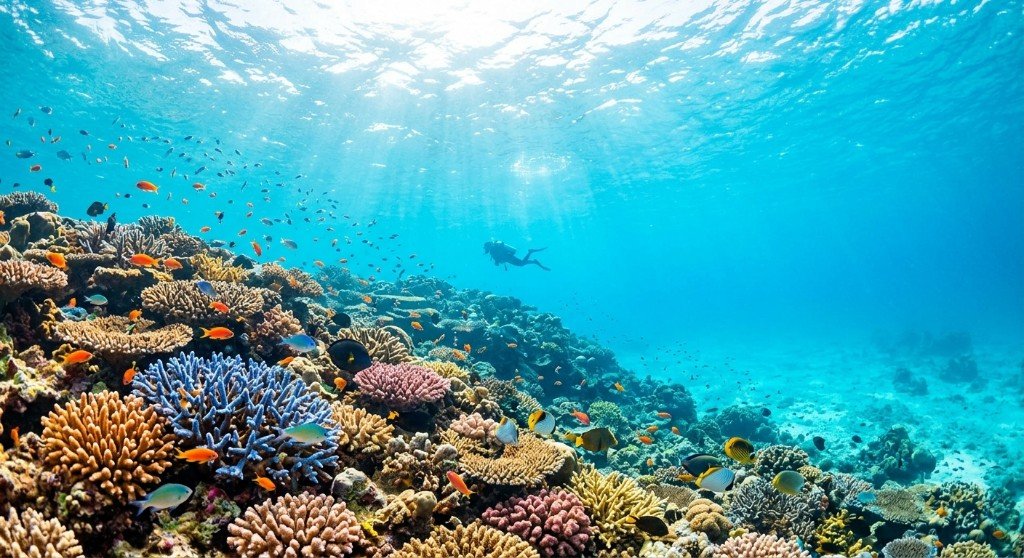
Why Okinawa Is Japan's Best Window Into Marine Life
Okinawa sits at the northern edge of the Coral Triangle's influence, where warm Kuroshio Current water sustains reef systems unlike anything else in Japan. This is the one place in the country where an open-water diver can realistically plan a trip around specific wildlife — not "maybe we'll see something," but a sea turtle encounter at a known cleaning station, a manta ray point with a season and a success rate, or a reef shark channel where sightings are routine rather than lucky.
The cultural backdrop matters here too. In Ryukyu tradition, the sea turtle is considered a messenger of the sea god and a symbol of longevity; local Okinawan dive guides often refer to turtles by name if they're regulars at a site, treating them less like photo subjects and more like neighbors. That local relationship with marine life shapes how diving is run here — slower, more respectful, less chase-and-shoot than reef diving elsewhere in Asia.
What makes Okinawa distinct from Japan's other dive regions (Izu, Kerama excluded as its own sub-destination) is density and accessibility: you don't need a liveaboard or a multi-day expedition to see manta rays or sharks. Day boats out of Naha, Ishigaki, or Kerama reach these sites in 20–40 minutes.
Dive Sites and Conditions for Each Marine Life Encounter
Sea turtles (green and hawksbill): The most consistent sightings are at reef slopes and rubble zones in 5–15m, where turtles graze on sponges and algae between breaths at the surface. Sites like those around Kerama Islands and the reef flats off Onna Village have resident turtles that divemasters track individually. Visibility runs 15–25m on calm days; current is usually mild, making this accessible to intermediate divers and even confident open-water divers on guided dives.
Manta rays: Kabira and the channels around Ishigaki/Iriomote (notably sites referred to locally as "manta scramble" points) are the reliable grounds, with cleaning stations where mantas hover over coral heads to be cleaned by wrasse. These dives sit in 10–20m but often involve moderate current, since current is what brings plankton and keeps mantas cruising the station. Expect to hook into a reef or hold position against a mild-to-moderate drift; an advanced certification and some current experience will get you more out of it than a first-timer drifting past without control.
Sharks: Reef sharks (whitetip and occasionally grey reef) are seen in current-swept channels and drop-offs around Kerama and the outer reefs near Ishigaki. These are deeper and current-exposed sites, generally 15–30m, suited to divers comfortable with blue-water descents and negative entries. Hammerhead sightings are rarer and seasonal, tied to specific outer-current sites that local shops track closely — ask directly if that's your target, since it's not a guaranteed add-on to a standard reef dive.
In all three cases, the operating model is the same: small groups, a dive guide who knows the current resident animals, and a briefing that sets expectations (approach distance, no touching, no flash chasing). Okinawa's dive shops are strict about this, and for good reason — these are wild, undisturbed populations, and the no-touch etiquette is part of why the encounters stay good year after year.
Best Season and How to Reach the Dive Grounds
Season: Okinawa dives year-round, but the windows differ by target:
- April–June and October–November give the best visibility-to-crowd ratio, with calmer seas and water around 24–27°C.
- July–September is peak manta season around Ishigaki (warmer water draws more plankton activity at cleaning stations) but also typhoon season — expect itinerary flexibility and some cancelled boat days.
- December–March is coolest (22–24°C, a 5mm wetsuit or hooded vest recommended) but often has the clearest water and fewer divers at turtle sites, since this is whale-watching season for many visitors instead.
Access:
- Naha (Okinawa's main hub) is reached via Naha Airport, roughly 2.5 hours by direct flight from Tokyo Haneda/Narita, or around 2 hours from Osaka/Kansai. From Naha, Kerama Islands dive sites are a 20–50 minute boat ride from Tomari Port, so many divers base in Naha itself.
- For manta and shark-channel diving, fly onward to Ishigaki Airport (around 1 hour from Naha, or direct flights from Haneda in about 3 hours total). Ishigaki town puts you within a short boat ride of Kabira's manta points and the outer reef shark channels.
- A rental car is useful on Ishigaki to reach shops and ports outside the town center; in Naha, shops often include port transfer in the dive package, so a car isn't essential there.
Booking, Gear, and Etiquette for a Wildlife-Focused Trip
Booking: Reserve dives at least a few weeks ahead in peak season (July–September, and around Japanese Golden Week in early May), since boats cap group sizes to keep encounters calm and uncrowded — this is also what keeps sightings reliable. If manta rays are the priority, ask the shop directly about recent sighting logs; reputable operators track this daily and will tell you honestly if the station has been quiet.
Gear: A 3mm wetsuit covers summer (June–September); shift to 5mm with hood for December–March. Bring your own mask and, if you have one, a compact dive light for turtle grazing sites in cloudier conditions — rental gear is widely available but fins and boots run out of popular sizes in peak months, so book gear alongside the dive if you have unusual sizing. An underwater camera housing is worth the extra weight here, since the whole trip is built around the encounter — but check with your guide before using strobes near manta cleaning stations, as some operators restrict flash to avoid disrupting feeding/cleaning behavior.
Etiquette and conservation: Keep at least 3 meters from turtles and mantas, no touching, no blocking their path to the surface or cleaning station, and never chase a shark that turns away. Okinawa's dive community has pushed back hard against operators who let divers crowd animals, and shops that ignore this get called out locally — so choosing a shop with visible, enforced briefing standards is as much a quality signal as their boat or gear.
Stay and food: Naha offers the widest range of accommodation and the easiest logistics for multi-site trips; Ishigaki is smaller but walkable, with dive shops clustered near the port and good, cheap okonomiyaki and Okinawan soba shops for a post-dive meal. If you're combining turtle, manta, and shark dives across a week, basing in Naha for the first half and flying to Ishigaki for the second avoids long boat transfers and lets you match each site to its best conditions.
Was this page helpful?
Your feedback helps us improve our guides