
Ski Japan by Train: Best Resorts from Tokyo & Osaka Without Rental Car
📅 2026-10-11
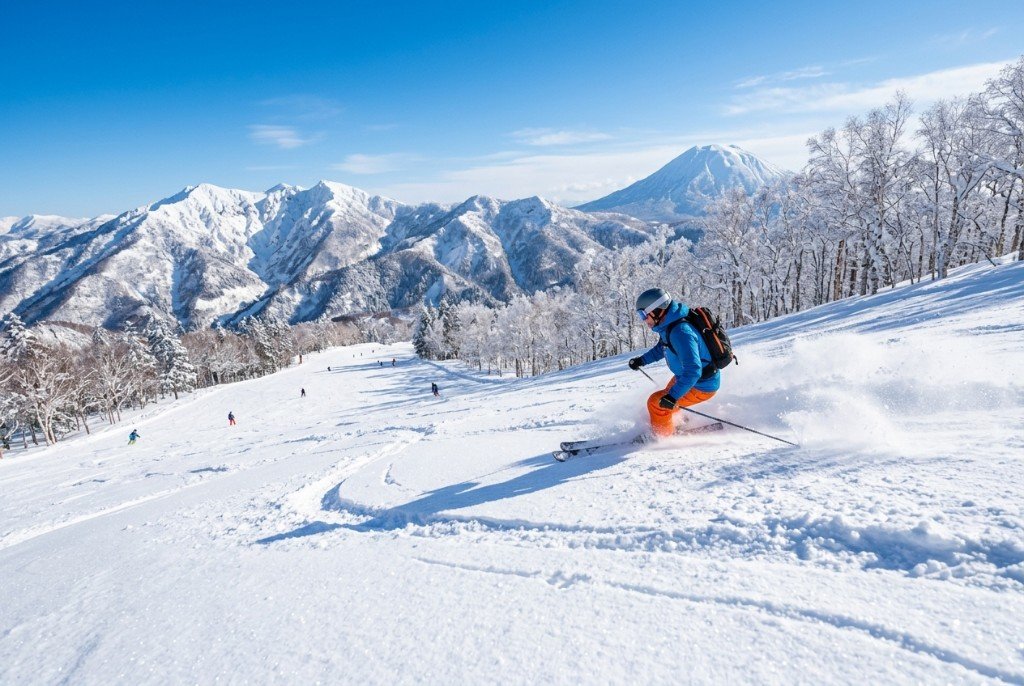
Why Train-Access Resorts Are the Smarter Way to Ski Japan
Renting a car for a Japan ski trip sounds appealing until you're navigating snow tire regulations, unfamiliar mountain roads at night, and parking fees stacked on top of lift tickets. The resorts covered here solve that problem by sitting within a shinkansen-plus-shuttle or direct-train radius of Tokyo or Osaka, which is why they've become the default choice for first-time visitors and weekend regulars alike.
What makes this group distinct isn't just proximity — it's density of options. Within roughly two to three hours of transit from either hub, you can choose between the long cruising runs of Shiga Kogen, the backcountry-adjacent terrain of Nozawa Onsen, the compact convenience of GALA Yuzawa (built with its own shinkansen station), and Kansai-side options like Biwako Valley that put skiing within a lunch-hour of Osaka. Each resort has its own character, but they share one thing: you can leave a Tokyo or Osaka apartment in the morning and be on snow by early afternoon, no car required.
This matters historically too. Yuzawa's ski industry boomed after the 1982 Joetsu Shinkansen opened, cutting travel time from Tokyo from four hours to under 90 minutes — a shift immortalized in Yasunari Kawabata's novel "Snow Country," set in this same region decades earlier when the trip was a multi-day undertaking by rail and foot. The train didn't just make these mountains accessible; it built the modern ski towns around them.
Slope Conditions and What Each Resort Actually Offers
- GALA Yuzawa (Niigata): Smaller vertical (geared toward beginners to intermediates), but the headline feature is literal — the base lodge sits directly beneath the shinkansen platform, so you change into boots inside the station building. Groomed, forgiving terrain.
- Yuzawa Kogen / Naeba (Niigata): Naeba's Dragondola is one of the longest gondolas in the world and links two resort areas, giving intermediate and advanced skiers real mileage without needing a car to resort-hop.
- Nozawa Onsen (Nagano): A historic hot spring village with ski terrain wrapped around it — steeper pitches, legitimate powder stashes off-piste, and an onsen culture dating back over a thousand years that's still central to daily life in the village.
- Shiga Kogen (Nagano): Japan's largest ski area by interconnected terrain, with 18+ linked zones ranging from mellow cruisers to genuinely technical runs. Variety is the draw here, not any single standout run.
- Biwako Valley (Shiga, near Osaka): Smaller and lower-elevation, so conditions are more weather-dependent, but the panoramic view over Lake Biwa from the ropeway is reason enough for a half-day trip, and it's the fastest ski fix available from Kansai.
Snow reliability generally scales with elevation and latitude — Niigata and Nagano resorts hold snow more consistently through the season than Kansai-adjacent options, so if deep powder is the priority, weight your days toward Yuzawa, Naeba, Nozawa, or Shiga Kogen rather than Biwako Valley.
Season Window and Real Transit Times From Tokyo and Osaka
Season: Mid-December through late March is the reliable window for Niigata and Nagano resorts; January through mid-February is peak snow depth. Biwako Valley's season is shorter and more variable, typically late December into early March depending on snowfall.
From Tokyo:
- GALA Yuzawa: Joetsu Shinkansen direct to Gala-Yuzawa Station, about 75–80 minutes from Tokyo Station. No transfer, no shuttle bus needed — this is the single easiest ski day trip from Tokyo.
- Yuzawa Kogen/Naeba: Shinkansen to Echigo-Yuzawa (about 75 minutes), then a resort shuttle bus (roughly 40–50 minutes to Naeba).
- Nozawa Onsen: Shinkansen to Nagano (about 80–90 minutes), then an express bus to the village (roughly 60–75 minutes).
- Shiga Kogen: Shinkansen to Nagano, then a bus to the resort area (around 60 minutes), total door-to-slope roughly 2.5–3 hours.
From Osaka:
- Biwako Valley: JR Biwako Line to Omi-Maiko or Shiga Station, then a short shuttle bus to the ropeway base — the full trip from Osaka Station runs about 60–90 minutes, making this the most realistic true day trip for Kansai-based travelers.
- Shiga Kogen and Nozawa Onsen are reachable from Osaka via Shinkansen to Nagano (roughly 3 hours), which works as a long day trip but is more comfortable as an overnight.
For a genuine day trip without an overnight stay, GALA Yuzawa from Tokyo and Biwako Valley from Osaka are the two combinations that reliably work — both put you on snow in under 90 minutes and get you home the same evening with normal lift closing times.
Booking, Gear, and Etiquette Tips for a Smooth Transit-Based Trip
Booking the shinkansen: Reserved seats sell out on weekends and during Japanese school holidays (late December–early January, early February). Book the specific train, not just a date, especially for the first departure of the day if you want maximum slope time. The JR app or a ticket counter both work; IC cards alone won't cover shinkansen reserved seats.
Luggage and gear: Ski and snowboard bags are allowed on shinkansen but oversized-luggage reservations are required on most lines if the bag exceeds standard dimensions — reserve this in advance or risk being turned away at the gate. Many resorts (GALA Yuzawa especially) rent full ski sets at the station itself, which is worth considering if you don't want to haul gear through Tokyo's subway system beforehand.
Lift tickets and rentals: Buy lift tickets online in advance where available; it's cheaper and avoids ticket-counter lines on powder mornings. If you're doing a single day trip, pre-book rental gear for pickup near the station exit rather than at a separate rental shop, which saves 20–30 minutes you don't have on a tight transit schedule.
Lodging for multi-day trips: Nozawa Onsen and Shiga Kogen are worth an overnight if your schedule allows — staying in a ryokan with its own onsen bath turns the trip from a ski day into a cultural one. Book onsen-equipped lodging early for weekends; many smaller ryokan in Nozawa only have 10–15 rooms.
Etiquette notes: Tattoos can still be an issue at some traditional public onsen, though most ski-town bathhouses in these areas have adapted to foreign visitors and either allow cover-up patches or don't enforce the ban — check the specific onsen's policy if this applies to you. On the slopes, keep to the right on shared gondola queues and wait your turn rather than merging in groups, which is the local norm at busier resorts like Shiga Kogen during peak weeks.
Food: Train stations themselves are worth a stop — Echigo-Yuzawa Station has a well-regarded sake tasting counter (Ponshukan) that's become a destination in its own right for travelers connecting through, and Nagano Station has solid soba options if you're transferring toward Nozawa or Shiga Kogen.
Quick Transit Comparison
| Resort | From Tokyo | From Osaka | Best For | ||| | GALA Yuzawa | Shinkansen + lift | 2.5+ hours | Beginners, weekend trips | | Nozawa Onsen | Train + bus | 2.5+ hours | Snow depth, onsen culture | | Shiga Kogen | Bus | 2–3 hours | Varied terrain, long days | | Biwako Valley | Train | 1.5 hours | Osaka day trips |
All resorts have shuttle buses from the nearest station—no mountain driving required.
Quick Booking Checklist
Decide your season first (Dec–Feb for powder crowds, Mar–Apr for spring corn and fewer lifts), pick your resort by travel time (GALA under 2 hours, Shiga Kogen 3–4 hours), then book lodging near the station. Most resorts have beginner and intermediate terrain; rental gear is straightforward. Staying overnight usually costs less stress than early-morning commutes in winter weather.
Choosing by Train Convenience: Tokyo-Based Planning
Two-hour resorts from Tokyo: GALA Yuzawa (direct shinkansen + short walk) and Naeba (shinkansen + shuttle) are the fastest starts—useful for weekend trips.
Two-to-three-hour resorts from Tokyo: Nozawa and Shiga Kogen require shinkansen plus local bus, adding 30–60 minutes but rewarding with less crowding and broader terrain.
From Osaka: Biwako Valley is the closest option; Shiga Kogen and Nozawa are reachable but require longer connections. Plan your base by distance and what fits your ski-time budget.
Each extra minute of travel is a tradeoff against slope time and crowds. Weekend trips favor the two-hour resorts; longer trips give Nozawa or Shiga Kogen time to pay off.
Was this page helpful?
Your feedback helps us improve our guides