
Seasonal riverside camping and water activities
📅 2026-10-11
Why Riverside Camping in Japan Feels Different From Coastal or Mountain Trips
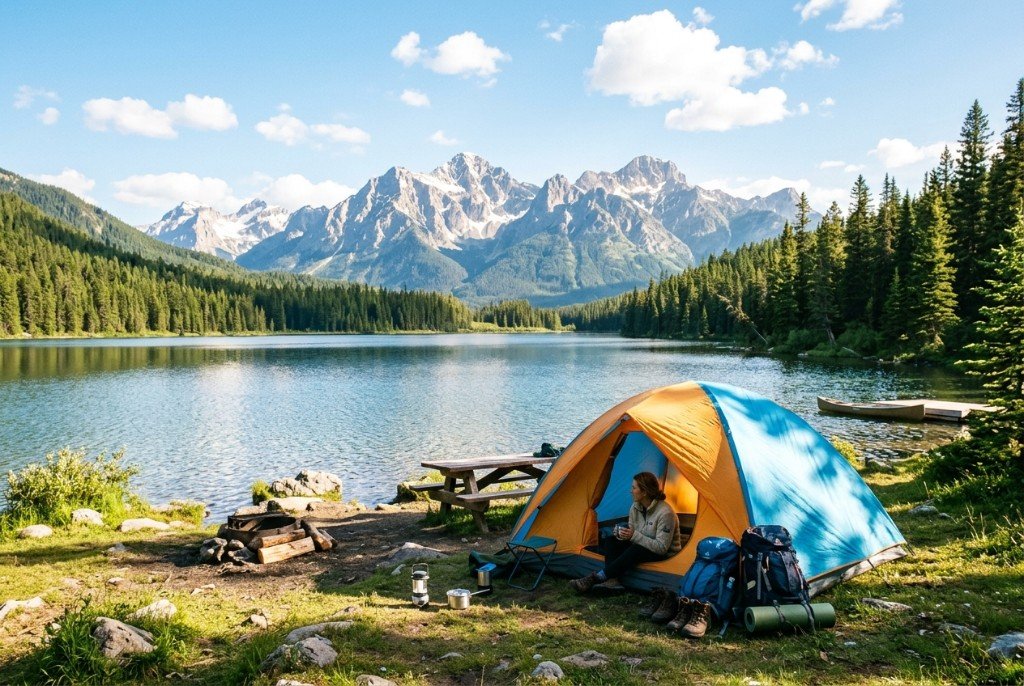
Most visitors to Japan default to coastal surf towns or alpine ski resorts, but the country's river valleys offer a quieter, more layered kind of outdoor trip — one that blends river camping with hands-on water sports in a single weekend. Rivers like the Nagatoro (Saitama), the Shimanto (Kochi), the Doro-Hatcho gorge section of the Kumano River (Wakayama), and the Yoshino River (Tokushima) each run through terrain where you can pitch a tent on a gravel bar in the morning, paddle a rental canoe or raft by midday, and swim or snorkel in a clear pool by afternoon — all without the tidal timing or wetsuit commitment that ocean diving or surfing demands.
This is also where Japan's river culture runs deepest. Many of these valleys have hosted ukai (cormorant fishing for ayu, a sweetfish prized since the Nara period) for over a thousand years, and small shrines dedicated to river spirits (suijin) still sit along the banks of the Nagara and Yoshino rivers. Summer toro nagashi lantern-floating ceremonies, tied to Obon in mid-August, turn ordinary riverside campsites into something closer to a cultural event — worth timing a trip around if you want more than scenery.
The appeal for travelers is practical, too: river campsites tend to be cheaper and less crowded than beach or ski lodging, many allow car camping directly on gravel bars, and the water itself is calmer and more forgiving for beginners than open ocean surf or dive sites. If you want a trip that covers water sports, light hiking, and actual camping without juggling three separate bookings, a river valley does it in one stop.
Reading the River: Camp Layout, Water Conditions, and Choosing the Right Stretch
Not all river camping spots are created equal, and the difference usually comes down to river access and how the channel behaves seasonally.
Gravel bar camps vs. managed campgrounds. Informal gravel bar camping (free or near-free, no facilities) is legal and common along many rural rivers, but it comes with real risk: flash flooding after upstream rain can raise water levels within hours even on a clear day at your campsite. Managed riverside campgrounds (kawara kyanpu-jo), by contrast, have fixed pitches set back from the active channel, basic toilets, sometimes coin showers, and staff who post water-level warnings. For a first trip, start with a managed site — Nagatoro's riverside campgrounds and the Shimanto's Ryugado-area camps are good, well-reviewed examples.
Matching the activity to the stretch. Rivers change character dramatically along their length:
- Upper gorge sections (e.g., Doro-Hatcho on the Kumano, upper Yoshino) have faster current, deeper pools, and clearer water — better suited to guided rafting, canyoning, or snorkeling with a local operator than casual swimming.
- Mid-river sections (most of the Nagatoro stretch, lower Shimanto) are wide, slow-moving, and shallow at the banks — ideal for tubing, inflatable kayaks, and swimming directly from camp.
- Lower, tidal-influenced sections near river mouths can have brackish water and boat traffic; check with the campground before swimming there.
Checking river access before you commit. "River access" isn't guaranteed just because a campground is riverside — some sites are set on a bluff above a steep bank with no safe entry point. Look for campgrounds that explicitly advertise a swimming beach, boat ramp, or gently sloped gravel entry; local tourism sites and campground booking pages usually say so directly, and it's worth a quick phone call or message if the listing is vague.
Water sports options by river. Canoe and inflatable kayak rentals are widely available at Nagatoro and the Yoshino; guided whitewater rafting runs on the Yoshino's Oboke-Koboke gorge and on parts of the Kumano system; stand-up paddleboarding has become common on calmer stretches like the Shimanto. Snorkeling is a pleasant surprise on clear-water rivers in Kochi and Wakayama, where summer visibility can rival coastal sites without the current or marine life hazards of the open sea.
Season and Access: When to Go and How to Get There From a Real Hub
Seasonal camping windows. River camping in Japan is tightly seasonal:
- Late April–June is shoulder season: water is cold (wetsuit or rash guard recommended for swimming), but river levels are manageable, crowds are light, and fresh green foliage along the banks is at its best. Good for canoeing and hiking-focused trips.
- July–August is peak season for actual swimming and tubing, with water temperatures comfortable enough for casual entry; this is also when most managed campgrounds are fully booked on weekends and during Obon (mid-August), so reserve at least 3–4 weeks ahead.
- September–October brings lower water, fewer bugs, and the start of autumn color in valley rivers — excellent for a quieter camp-and-paddle trip, though swimming water turns noticeably cold by late September.
- November–March is off-season for swimming but fine for scenic car camping if you're prepared for cold nights; most facility-based campgrounds close or reduce services, so stick to drive-up sites with heated restrooms.
Getting to Nagatoro (closest river-camp option to Tokyo): take the Seibu Ikebukuro Line or Tobu Tojo Line to Nagatoro Station — roughly 90 minutes from central Tokyo, no transfers needed from Ikebukuro on the direct Seibu Line limited express. A car from central Tokyo takes about 2 hours via the Kan-etsu Expressway; renting a car is worth it if you're hauling camping gear, since the campgrounds are a 10–15 minute walk or short taxi from the station.
Getting to the Yoshino River (Tokushima): fly into Tokushima Airport (around 1 hour 20 minutes from Tokyo Haneda) or take the JR Mannaka/Tokushima Line toward Oboke Station for the gorge section, about 2 hours by train from Tokushima city. A rental car from Tokushima Airport is the easier option for camping gear and reaching rafting put-in points directly.
Getting to the Shimanto River (Kochi): fly into Kochi Ryoma Airport, then it's roughly 1.5–2 hours by car to the mid-Shimanto camping areas near Kuroshio or Shimanto City — this one genuinely requires a car, as rural bus service along the river is sparse.
Practical Tips: Booking, Gear, Etiquette, and Staying Fed
Booking. Managed river campgrounds in popular valleys like Nagatoro fill up on summer weekends and Obon; book 3–4 weeks out for July–August dates, and confirm whether the site takes reservations by phone only (common at smaller, family-run riverside campgrounds) versus online. Rafting and canoe tours should be booked separately and in advance — most operators run 2–4 trips a day in peak season and sell out by the prior evening.
Gear that actually matters. Beyond standard camping kit, bring: water shoes or sturdy sandals (river rocks are sharp and slippery), a dry bag for phones and car keys if you're paddling, a rash guard or thin wetsuit top for cold mid-season water, and a headlamp — riverside campgrounds have essentially no ambient light at night. If you're car camping on an informal gravel bar, bring a portable weather radio or check river-level apps (many prefectures publish real-time gauge data) rather than relying on phone signal, which is often weak in valley terrain.
Etiquette and safety. Never camp directly on a gravel bar if rain is forecast upstream, even if it's clear where you are — this is the single most common cause of river camping incidents in Japan. Pack out all trash, including food scraps that attract wildlife along forested riverbanks. At managed campgrounds, quiet hours are taken seriously, particularly at family-oriented sites. If a site has a designated swimming area, stay within it; river currents away from marked zones can be stronger and deeper than they look from the bank.
Food. Riverside towns built around ukai fishing almost always have a restaurant or ryokan serving fresh grilled ayu (sweetfish) in season — a genuinely worthwhile detour even if you're otherwise self-catering at camp. Many managed campgrounds also sell firewood, charcoal, and basic supplies on-site, so you don't need to haul everything from the city, though produce and meat are best bought at a supermarket near the train station or highway exit before you arrive.
Was this page helpful?
Your feedback helps us improve our guides