
Booking Fuji Five Lakes Campgrounds: Peak Season Tips for Kawaguchiko, Motosu & Beyond
📅 2026-08-19
Why the Fuji Five Lakes Draw Japan's Toughest Campground Bookings
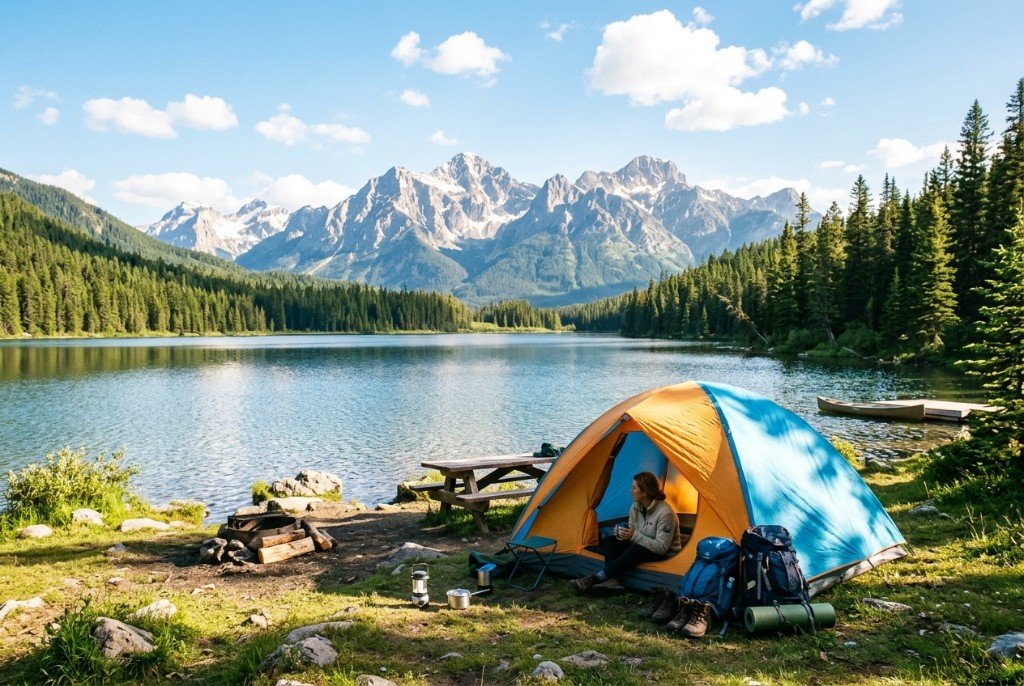
The Fuji Five Lakes region — Kawaguchiko, Yamanakako, Saiko, Shojiko, and Motosuko — wraps around the northern base of Mount Fuji in Yamanashi Prefecture, and it is arguably the single most photographed camping landscape in Japan. The reason is simple: on a clear morning, you can wake up in a tent, unzip the flap, and see the snow-capped cone of Fuji rising directly over still water. That combination of accessible car camping, dramatic scenery, and proximity to Tokyo (roughly 90 minutes to two hours by car or highway bus) makes fuji campground booking one of the most competitive reservation processes in domestic Japanese travel.
Unlike more remote alpine campgrounds elsewhere in the country, the Fuji Five Lakes sites are not backcountry destinations. Many are drive-up, family-friendly grounds with rental gear, glamping domes, and lakeside cafes, which is exactly why demand is so intense. Golden Week (late April to early May), the Obon holiday week (mid-August), and every weekend from July through September see sites sell out within minutes of booking windows opening — sometimes in under sixty seconds for the most scenic lakefront plots. Winter also has its own micro-peak: diamond Fuji season (when the sun aligns directly behind the summit at sunrise or sunset) and the clear, dry air of December through February, which offers the best odds of an unobstructed Fuji view, pull in photographers who book months ahead despite freezing overnight temperatures.
This guide focuses specifically on the logistics of getting a reservation — which lakes to target, how far ahead to book, what tools Japanese campgrounds actually use, and how to build a backup plan so a sold-out Saturday doesn't end your trip. We'll also touch on how camping here connects to the region's broader outdoor culture, since a Fuji Five Lakes trip pairs naturally with hiking, cycling, and even nearby ski access in winter.
A Landscape Shaped by Volcanic History and a Century of Recreation Culture
Mount Fuji's five lakes were formed by lava flows from the volcano damming ancient river valleys, and the region has held spiritual significance for centuries — Fuji itself is a UNESCO World Heritage Site listed explicitly for its role as a "sacred place and source of artistic inspiration," and pilgrims have climbed and revered it since at least the 12th century. Lake Kawaguchiko, the most developed and accessible of the five, became a resort retreat for Tokyo's elite as early as the Meiji era, when the arrival of rail access turned it into a getaway from the capital's summer heat.
Organized camping culture arrived later, growing rapidly from the 1960s onward as car ownership expanded and Japan's postwar middle class embraced outdoor leisure. Lake Motosu, the westernmost and deepest of the five lakes, holds a special modern cultural status: its shoreline view of Fuji is the exact image printed on the back of the Japanese 1,000-yen banknote, making a campsite there feel like camping inside a piece of national iconography. Motosu is also the cleanest of the five lakes by water clarity, which has made it a quiet magnet for stand-up paddleboarding and even light freshwater diving and snorkeling in summer, alongside its camping appeal.
This blend of historical reverence and modern recreation is why Fuji Five Lakes campgrounds today range so widely in character — from minimalist, view-focused tent sites on Motosu's undeveloped western shore to fully equipped, family-oriented "auto-camp" resorts on Kawaguchiko and Yamanakako with hot showers, saunas, rental cabins, and English-language signage aimed at inbound tourism.
How to Actually Book a Site: Timing, Platforms, and Lake-by-Lake Strategy
Booking a Fuji campground successfully comes down to three factors: knowing your target lake, knowing the exact release date of the booking window, and being ready at the keyboard the moment it opens.
Know your booking window. Most popular grounds — including Lake Sai Koan Campsite, PICA Fujiyama, and the well-known sites around Kawaguchiko — open reservations exactly two to three months in advance, often at a fixed time (commonly 10:00 or 12:00 JST) on the 1st of the month. Some independent campgrounds use a rolling 30-day or 60-day window instead. Always check the specific ground's official page for its release schedule; do not assume all sites in the region follow the same rule. Set a phone alarm for the exact release moment — for the most in-demand lakefront plots, this is not an exaggeration.
Use the right platform. Japanese campgrounds rarely list on international OTAs. Instead, expect to book through:
- The campground's own website (often Japanese-only, but usable with a browser translator)
- なっぷ (nap-camp.com), Japan's largest camping reservation portal, which lists most Fuji Five Lakes sites with photos, amenities, and real-time availability
- じゃらん (Jalan) or 楽天トラベル (Rakuten Travel) for cabin, glamping dome, or "auto-camp" bookings that resemble hotel-style reservations
- Phone reservation, still required by some smaller family-run grounds, especially around Shojiko and Saiko
Match the lake to your goals. Kawaguchiko has the most infrastructure and the most competitive booking (closest to Tokyo, most facilities, best Fuji sightlines from the north shore). Motosu offers the rawest scenery and the banknote view but fewer sites overall, so scarcity is extreme — sites here can sell out in under a minute during July–August release windows. Yamanakako is the largest lake and popular with windsurfers and families, with slightly more availability. Saiko and Shojiko are quieter, more forested, and a good fallback if Kawaguchiko and Motosu are full, with a more secluded, less crowded camping feel.
Build a backup plan. Because peak-season sites vanish almost instantly, prepare two or three acceptable alternatives before the booking window opens, across different lakes if necessary. Cancellation windows also open up: many platforms show canceled slots reappearing 1–2 weeks before the date, so checking back regularly can rescue a trip that seemed fully booked.
Consider shoulder timing. Weekday stays (Sunday–Thursday) are dramatically easier to book than Friday–Saturday, even in July and August. Late June and early September offer warm weather with far less competition, and late autumn (November) brings crisp, clear Fuji views with minimal booking pressure.
Expert Recommendations for a Smooth Peak-Season Trip
Arrive with a car. Public transit reaches Kawaguchiko station easily, but most campgrounds — especially around Motosu and Saiko — are a further drive or infrequent local bus ride away. A rental car from Tokyo also lets you carry bulkier gear and pivot to a backup site if your first choice falls through.
Pack for four-season nights. Even in August, elevation around the lakes (roughly 800–1,000 meters) means nighttime temperatures can drop into the low teens Celsius. In winter, sites that stay open for diamond Fuji season require serious cold-weather gear; several grounds rent heated tents or offer wood-stove-equipped cabins specifically for this reason.
Check Fuji visibility odds before committing to dates. Mount Fuji is famously shy in summer, when humidity and cloud buildup often obscure the peak by mid-morning. Winter (especially December–February) offers the highest percentage of clear-view mornings, which is why serious photographers accept the cold in exchange for the shot.
If diving or paddling interests you, prioritize Motosu. Its water clarity is the best of the five lakes, and local operators offer guided snorkeling and SUP sessions in summer — a distinctive, lesser-known way to experience Fuji from the water rather than the shore.
Pair camping with a Fuji ski day in winter. Fujiten Snow Resort, on Fuji's northern slopes near Yamanakako, is close enough to combine with a lakeside camping stay, letting winter visitors ski by day and camp (or glamp, in heated accommodation) with Fuji views by night — a rare double for a single short trip.
Reconfirm rules on campfires, generators, and pets. Regulations vary significantly by campground and by lake, and enforcement is generally strict; read the site's rules page in full before arrival rather than assuming standard practices apply everywhere.
Conclusion: Plan Early, Stay Flexible, and the Fuji Five Lakes Will Deliver
Booking a campsite around Mount Fuji during peak season is less about luck and more about preparation: know your target lake's character, mark the exact reservation release date, have backups ready across Kawaguchiko, Motosu, and the quieter lakes, and be willing to shift toward weekdays or shoulder-season dates if summer weekends prove impossible. Do that groundwork, and you'll trade the stress of a sold-out search for a genuinely rare experience — a tent, a mirror-still lake, and Japan's most iconic mountain rising into the morning sky.
Was this page helpful?
Your feedback helps us improve our guides