
Hakuba Summer Camp & Glamping Guide: Where to Sleep Under the Alps
📅 2026-08-24
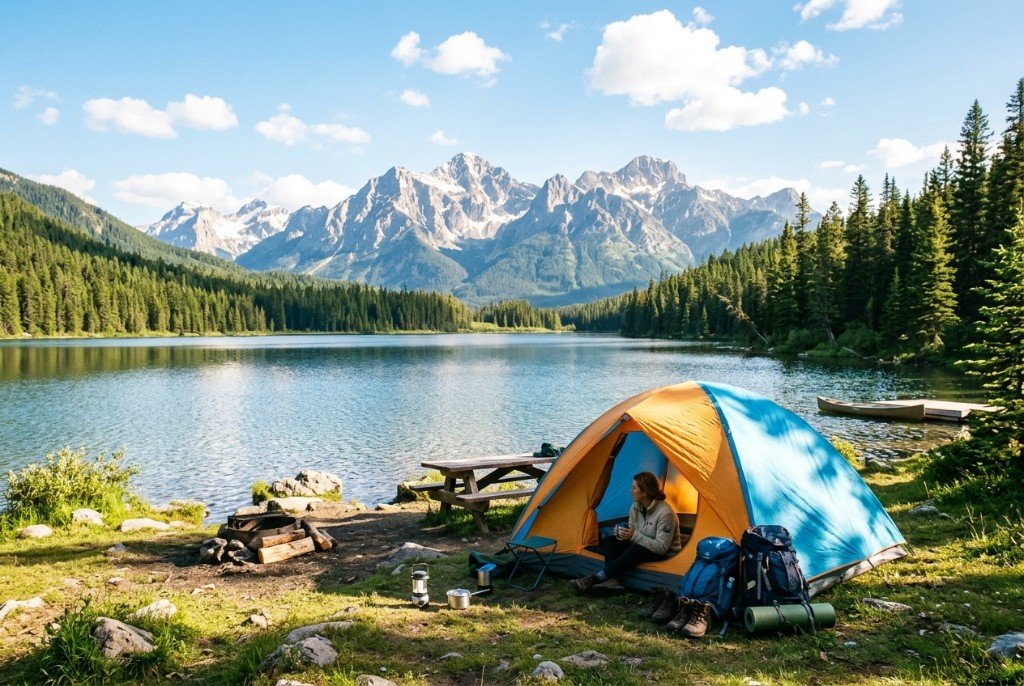
Introduction: The Village That Trades Skis for Tent Poles
Every winter, Hakuba is a name skiers whisper with reverence — a valley of eleven interconnected resorts beneath the jagged wall of the Northern Japan Alps. But strip away the snow and Hakuba reveals a second identity that far fewer travelers know: one of the most rewarding summer camp and glamping destinations in the country. From late June through September, the same slopes that draw powder hounds in January turn into rolling green pastures, larch forests, and river valleys, and the resort towns quietly convert their base areas into some of Japan's most scenic outdoor accommodation.
Hakuba summer camp glamping has become a genuine trend over the past decade, as Nagano Prefecture's tourism board and individual resorts have invested heavily in turning a one-season ski economy into a year-round one. The result is a surprisingly dense cluster of campgrounds, riverside tent sites, and design-forward glamping domes, all set against a backdrop of 2,500-meter peaks that many visitors only ever see capped in snow. Waking up in a tent to the sight of Mt. Shirouma catching the first light, with cowbells or a mountain stream as the only soundtrack, is an entirely different — and for many, more memorable — way to experience this valley than a chairlift ever could be.
This guide covers what makes Hakuba's summer camping scene distinct, why the region has leaned so heavily into glamping as a strategy, and exactly where to book, what to pack, and how to make the most of a summer basecamp trip in the Japanese Alps.
From Silk Farms to Ski Runs to Summer Basecamps: A Short History of Hakuba's Land Use
Hakuba's valley floor was, for centuries, farmland — terraced rice paddies and mulberry groves feeding the regional silk industry that sustained much of rural Nagano before the 20th century. The mountains themselves were the domain of mountain ascetics and hunters long before recreational skiing arrived; Mt. Shirouma's name literally means "White Horse," a reference to a seasonal snow pattern on its face that local farmers once used to time their spring planting. That agricultural relationship with the mountain — reading it, timing life around it — is part of why Hakuba's summer identity still feels rooted in the land rather than purely manufactured for tourists.
Skiing arrived with Austrian instructors in the 1930s, and the valley's fate as a winter sports hub was sealed when Hakuba co-hosted the 1998 Nagano Winter Olympics, cementing runs like Happo-One and Goryu into the global ski map. For decades afterward, the local economy leaned almost entirely on the winter season, leaving base villages nearly dormant from May to November.
The shift toward summer tourism — and camping specifically — accelerated in the 2010s as resort operators and the Hakuba Village government recognized the waste in leaving world-class alpine scenery, hiking trails, and infrastructure idle for seven months a year. Ski lift companies began running gondolas through summer for hikers and mountain bikers; unused base-area land became campgrounds; and by the 2020s, glamping — a format that requires far less infrastructure than a hotel but earns higher margins than plain camping — became the fastest-growing lodging category in the valley. It's a very Japanese kind of reinvention: using existing land respectfully rather than building anew, and pairing rustic outdoor experience with the polish and hospitality standards the country is known for.
Where to Pitch a Tent or Book a Dome: Practical How-To Guide
Choosing your base: Hakuba isn't one campground — it's a valley of distinct sub-areas (Happo, Wadano, Iwatake, Goryu/Hakuba47, Tsugaike), each with different terrain and a different camping character.
- Wadano Forest area, near the base of Happo-One, is the most popular pick for first-timers. It combines dense birch woodland with direct access to hiking trailheads and Hakuba's restaurant and onsen scene, making it ideal if you want camping without total isolation.
- Iwatake, reachable by gondola, has newer glamping developments with sweeping panoramic views over the valley — better for couples or travelers prioritizing scenery and comfort over trail access.
- Tsugaike Kogen, higher in elevation, sits closer to genuine alpine wetlands and is the best launch point for serious hiking, including access toward Shirouma's flower-covered slopes.
- Goryu and Hakuba47 areas skew toward families and mountain bikers, with gentler terrain and more activity-park style attractions nearby.
Booking logistics: Reserve at least a month ahead for July and August weekends — Obon week (mid-August) sells out fastest, often three months in advance, as domestic travelers flood in to escape the summer heat of Tokyo and Osaka. Weekday stays can often be booked with just a week or two of notice. Most glamping sites require reservations through their own websites or major Japanese booking platforms; English-language support varies, so confirm this in advance if you don't read Japanese.
What to pack: Even in August, Hakuba's elevation (700–900m at valley floor, higher at campgrounds near the peaks) means nights drop into the low-to-mid teens Celsius, a sharp contrast to the humid heat of lowland Japan. Bring a warm layer even for a summer trip. Rain gear is non-negotiable — the Alps generate fast-moving afternoon showers, especially in July. If you're tent camping rather than glamping, most sites rent gear (tents, sleeping bags, cooking equipment) on-site, so flying in with full kit is rarely necessary.
Getting there: From Tokyo, the fastest route is Shinkansen to Nagano Station (about 80–100 minutes), followed by an Alpico bus to Hakuba (about 70 minutes). Renting a car in Nagano gives more freedom to move between the valley's different base areas, which are more spread out than they appear on tourist maps.
Expert Picks: How to Get the Best Version of a Hakuba Summer Basecamp Trip
Seasoned Hakuba regulars agree on a few things that make the difference between a good trip and a forgettable one.
Time it around the green season's sweet spot. Late July through mid-August delivers the most reliable weather and the fullest alpine flower blooms on trails like the Shirouma Daisekkei route, but it's also peak crowd season. If flexibility allows, aim for the last week of June or early September — cooler nights, thinner crowds, and prices on glamping domes often drop 15–20% outside the Obon peak.
Pair camping with a gondola-accessed hike, not just valley-floor walks. The real payoff of Hakuba's terrain is above the treeline. The Happo-One gondola and lift combination gets you to around 2,000m in under an hour, opening up alpine pond walks (Happo Pond is the classic, with its mirror reflection of the Alps) that are dramatically different from anything at campground elevation. Do this on your first full day while energy and weather odds are both highest.
Choose glamping specifically for the shoulder-season chill. Because nights can be genuinely cold even in summer, glamping's insulated domes, wood stoves, and proper bedding are worth the premium if you're traveling with kids or simply don't want to manage a tent through a mountain rainstorm. Several properties in the Iwatake and Wadano areas now offer heated glamping units through September for exactly this reason.
Don't skip the onsen. One underrated advantage Hakuba has over most camping destinations: because it's a ski town, it has an unusually high density of natural hot spring baths for a mountain village. Ending a day of hiking or a slightly damp night in a tent with a soak at a local onsen is one of the best reasons to camp here specifically rather than elsewhere in the Alps.
Watch the weather hour to hour, not day to day. Mountain weather here changes fast; locals check hourly forecasts rather than the daily summary, and gondola operators will suspend service in lightning conditions. Build a buffer day into multi-day itineraries if hiking above the treeline is a priority.
Conclusion: A Mountain Town Worth Visiting Twice a Year
Hakuba's reputation was built on snow, but its summer season — anchored by an increasingly sophisticated camp and glamping scene — has quietly become just as compelling a reason to visit. The valley offers a rare combination: genuine alpine scenery normally reserved for multi-day backcountry treks, made accessible via gondola and paired with a range of accommodation from bare-bones tent sites to heated luxury domes, all backstopped by the hospitality infrastructure of a mature resort town. Whether you're drawn by wildflower-covered ridgelines, riverside campfires, or simply the novelty of seeing the Alps green instead of white, Hakuba summer camp and glamping options make a compelling case for treating this valley as a two-season destination rather than a strictly winter one. Book early for August, pack a warm layer regardless of the calendar, and go in expecting the mountains to surprise you a second time.
Was this page helpful?
Your feedback helps us improve our guides