
Choosing Your Hakuba Valley Ski Base: Happo-One vs. Hakuba Goryu Guide
📅 2026-08-19
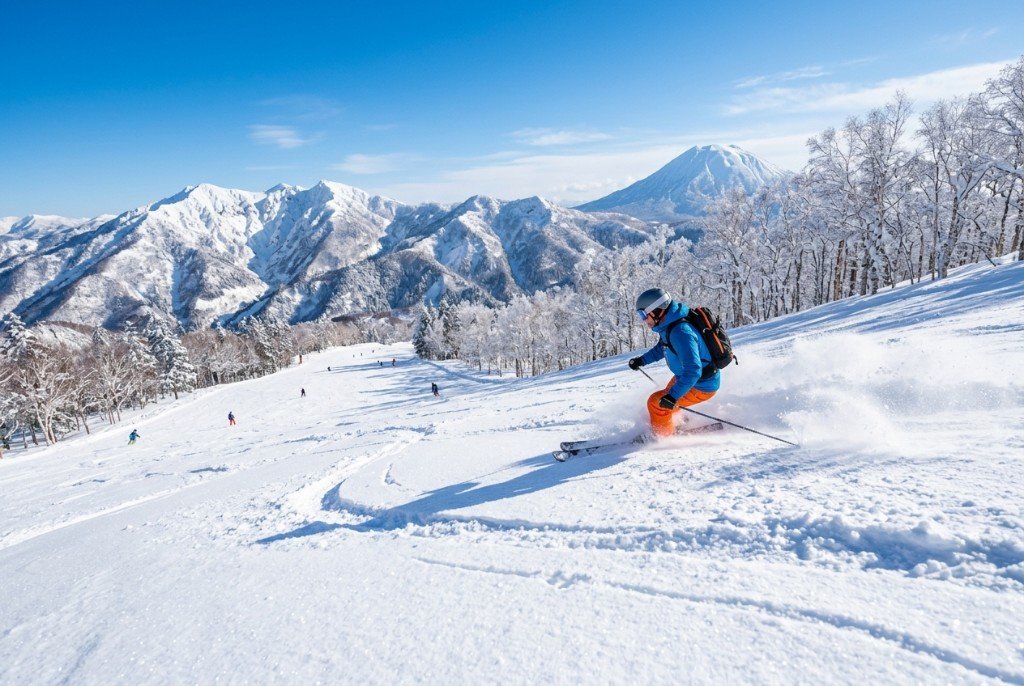
Why Your Base Village Matters More Than Your Resort Pass
Most skiers researching a Japan trip fixate on which resort has the best snow, but in Hakuba Valley the more consequential decision is where you sleep. Hakuba is not a single mountain like Niseko's Grand Hirafu strip — it's a valley in Nagano Prefecture containing nine distinct ski areas spread across roughly 25 kilometers, from Cortina and Norikura in the north to Sanosaka and Kashimayari in the south. A Hakuba Valley ski base choice determines your morning commute, your après-ski options, your restaurant walkability, and ultimately how much skiing you actually get done. Choose poorly and you'll burn an hour a day on the Hakuba shuttle bus system; choose well and you'll be on the first chair before the crowds arrive.
The two heavyweight contenders for most first-time and repeat visitors are Happo-One and Hakuba Goryu (often paired operationally with neighboring Hakuba47). Happo-One is the valley's flagship — a 1998 Winter Olympics downhill venue with the biggest terrain, the liveliest village, and the deepest bench of restaurants and bars. Hakuba Goryu, by contrast, offers a quieter, more family-friendly base with excellent tree runs and a slightly more relaxed pace, connected by lift and shared ticket to Hakuba47's freeride-oriented terrain. Neither is objectively "better" — they suit different travel parties, budgets, and skiing ambitions. This guide breaks down the practical differences so you can commit to a base village with confidence rather than second-guessing your Airbnb booking three months out.
From Olympic Downhill to International Powder Magnet: Hakuba's Ski Heritage
Hakuba Valley's identity as a ski destination predates the 1998 Nagano Olympics by decades. Local hot spring villages had already been drawing Japanese skiers since the 1950s, when rope tows first appeared on the slopes above Happo. The valley's name — Hakuba, meaning "white horse" — actually derives from a snow pattern that forms on nearby Mt. Shirouma each spring, resembling a horse shape used traditionally by farmers to time rice planting. That agricultural, seasonal-rhythm relationship with the mountains runs deep in the local culture, and it's part of why the onsen (hot spring bathing) tradition remains so central to the après-ski experience here, unlike the bar-first culture of Western resorts.
The 1998 Olympics transformed Happo-One specifically, cementing its reputation with world-class downhill and slalom courses that remain skiable today — the Olympic course on Happo's upper mountain is a genuine bucket-list run for advanced skiers who want to trace an Olympic athlete's line. That Olympic legacy also brought international infrastructure investment that neighboring villages didn't receive at the same scale, which is part of why Happo-One still feels more built-out and cosmopolitan than Goryu or the smaller resorts further north.
Hakuba Goryu's development followed a different, more organic path, growing as a family-oriented resort tied closely to the traditional village of Hokujo. It merged operationally with the adjacent Hakuba47 Winter Resort, whose name comes from the 47 turns of its access road — a detail locals will happily explain over a beer. This partnership gives Goryu-based skiers access to genuinely excellent tree skiing and terrain park features without Happo's crowds, reflecting a slightly different philosophy: fewer visitors, deeper local ties, and a base culture that still centers on family-run ryokan and small izakaya rather than international hotel chains.
Where to Stay: Matching Your Base to Your Ski Week Goals
Choose Happo-One if you want maximum terrain and nightlife. Happo-One is the largest single resort in the valley, with terrain suited to everyone from beginners on the lower slopes to experts tackling the steep upper pitches near the Olympic course. The Happo-One village (technically Hakuba proper) has the highest concentration of restaurants, bars, ski shops, and rental outfits in the valley, plus the widest range of accommodation — from backpacker hostels to five-star hotels. If your ski week includes non-skiing partners who want walkable dining and shopping, or you're traveling with a group that wants a lively evening scene, base here. Book accommodation within walking distance of the Happo gondola (Adam base or Happo-One base) to avoid relying on the valley shuttle for your first lift of the day — proximity here is worth paying extra for.
Choose Hakuba Goryu/Hakuba47 if you want quieter mornings and family-friendly terrain. The Goryu base area is more compact and residential, with a strong concentration of family-run pensions and self-catered apartments. The combined Goryu/47 lift ticket unlocks two distinct mountain characters in one day: Goryu's groomed cruisers and gentle beginner zones, and 47's tree runs and park terrain for intermediate-to-advanced riders. Because Goryu draws fewer international tourists than Happo, lift lines are typically shorter and the pace is calmer — a meaningful advantage if you're skiing with young children or simply prioritize time on snow over evening entertainment.
Practical logistics for either base:
- Fly into Tokyo (Haneda or Narita) and take the Shinkansen to Nagano Station, then a 60-75 minute bus transfer to Hakuba — book the bus in advance during peak season (late December through February).
- The free Hakuba Valley shuttle bus connects all nine resorts, but frequency drops significantly outside peak hours, so don't assume you can casually resort-hop every day.
- A multi-resort lift pass (the Hakuba Valley pass covers most areas including Happo-One and Goryu/47) is worth the modest premium if you plan to explore beyond your base resort even a few times during the week.
- Book accommodation at least 4-6 months ahead for the December-February window; Hakuba has become one of the most in-demand Japan ski destinations for Australian and increasingly North American and European travelers.
Expert Recommendations for a Seven-Day Hakuba Itinerary
Seasoned Hakuba visitors generally recommend anchoring your week at one base and using it as a hub for one or two day trips rather than switching accommodation mid-week — the shuttle logistics and unpacking overhead simply aren't worth it for a single week. If Happo-One is your base, plan a day trip to Cortina or Norikura for their renowned tree skiing and powder stashes, both reachable by shuttle in 20-30 minutes. If Goryu is your base, a day at Happo-One lets you experience the valley's biggest terrain and liveliest lunch scene without the commitment of staying there.
Timing matters enormously in Hakuba. The valley's powder reputation is best fulfilled in January, when snowfall is most consistent and temperatures are coldest (keeping snow quality high), while late February into March brings warmer, sunnier days better suited to spring corn skiing and less crowded slopes — a worthwhile trade-off for travelers prioritizing comfort over pure powder volume. Weekdays see dramatically thinner crowds than weekends, when Tokyo and Osaka day-trippers and domestic tour groups arrive in force; if your schedule is flexible, shift your ski days to Monday through Thursday.
For non-ski recovery days, both bases offer easy access to Hakuba's onsen culture — don't skip this. Soaking in an outdoor rotenburo with a valley and mountain view after a hard ski day is arguably as essential to the Hakuba experience as the skiing itself, and it's a direct thread back to the region's pre-ski hot spring heritage. Equipment rental is best arranged in-village rather than pre-booking internationally; local shops in both Happo and Goryu offer high-quality demo gear suited to Japan's typically drier, colder snow, and same-day fitting is standard practice.
Conclusion: There's No Wrong Valley, Only the Wrong Fit
Hakuba Valley rewards travelers who do their homework before booking rather than after arriving. Happo-One delivers scale, history, and energy — the Olympic pedigree and biggest terrain footprint in the valley, paired with a village built for people who want their skiing bracketed by good restaurants and a lively evening scene. Hakuba Goryu, alongside its Hakuba47 partner, offers a calmer, more family-oriented alternative with genuinely excellent tree skiing and shorter lift lines, appealing to travelers who'd rather maximize time on snow than time in a crowd. Whichever base you choose, the valley's shared lift pass and shuttle network mean you're never truly locked out of the rest of Hakuba — you're simply choosing where you wake up, where you eat dinner, and how far you walk to your first run. Get that decision right, and the rest of your ski week takes care of itself.
Was this page helpful?
Your feedback helps us improve our guides