
Hokkaido Camp Seasons: Furano, Toya, and the Shoulder Months Playbook
📅 2026-08-26
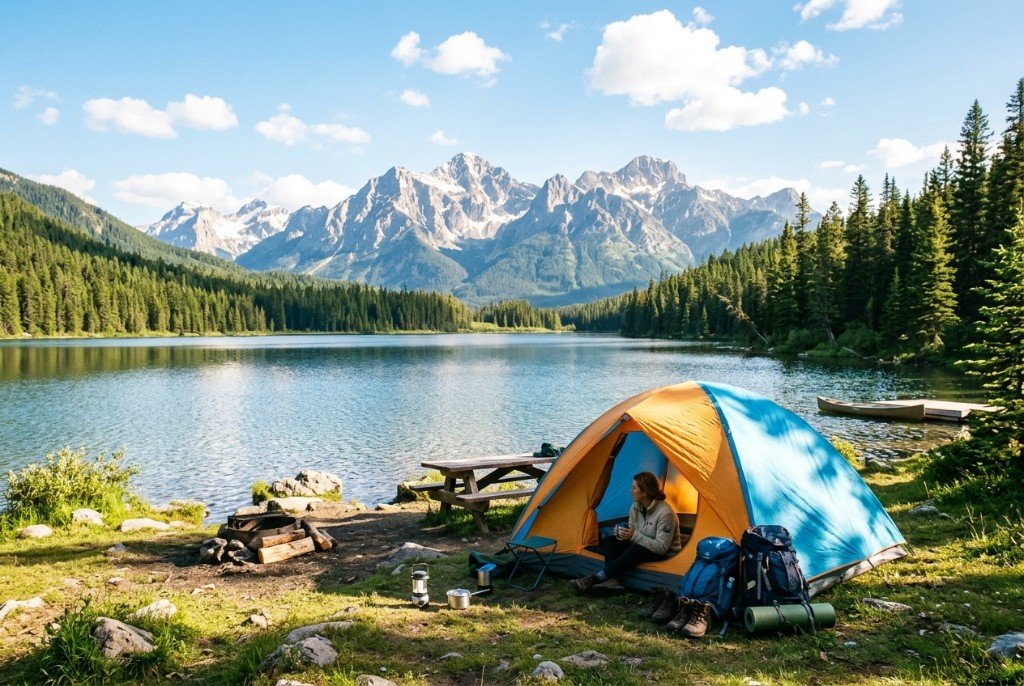
Understanding Hokkaido's Camping Calendar
Hokkaido occupies a strange and wonderful position in Japan's outdoor culture. It is the country's northernmost major island, a place where winter arrives early and leaves late, where snow can still be found on the Daisetsuzan peaks in June, and where the first hard frost of autumn can settle over a campsite by late September. For campers, this compressed and dramatic seasonal rhythm is exactly what makes Hokkaido special. Unlike Honshu, where camping season can stretch comfortably from April through November in many regions, Hokkaido demands a far more deliberate approach to timing. Understanding the hokkaido camp furano toya season pattern is not a minor planning detail — it is the single most important factor that determines whether your trip becomes a highlight of your travels or a lesson in underestimating northern Japan's climate.
Furano and Lake Toya sit at the heart of this conversation because they represent two very different faces of Hokkaido's outdoor identity. Furano, tucked in the island's central highlands, is synonymous with lavender fields, dramatic temperature swings, and a short but intense alpine-adjacent summer. Toya, a caldera lake in the southwest near Usu volcano and the resort town of Toyako Onsen, offers a milder, more maritime-influenced climate thanks to its position closer to the coast and its status as one of the few major Hokkaido lakes that rarely freezes completely. Together, these two destinations bookend the range of camping conditions you'll encounter across the island, and comparing them gives new visitors a practical mental model for the rest of Hokkaido's campgrounds, from Shikotsu-Toya National Park to the wilder reaches near Daisetsuzan.
This guide exists to help you decode that calendar: when to go, what to expect, how the seasons transition, and how camping here connects to Hokkaido's broader outdoor ecosystem of skiing, hiking, and lakeside recreation.
Why Hokkaido's Seasons Shape Its Outdoor Culture
Hokkaido was settled and developed later than the rest of Japan, with large-scale Japanese migration and infrastructure development concentrated in the Meiji era of the late 19th century. Much of that development was explicitly modeled on cold-climate agricultural and land-use practices, drawing inspiration from North American and European frontier settlement. This history matters for campers because it shaped how the island's public land, forestry areas, and lakeside parks were designated and managed — many of today's campgrounds trace back to forestry roads, agricultural cooperative land, or postwar national park boundaries rather than ancient trail networks.
Furano's identity as a summer destination is itself a product of 20th-century agricultural history. The lavender industry that now defines the town's July peak season began in the 1950s as a perfume-oil enterprise before evolving into the tourism spectacle it is today. Campers who arrive in mid-to-late July aren't just choosing convenient weather; they're stepping into a cultural calendar built around the Furano Lavender Festival and the blooming cycle of Farm Tomita's fields, which draws domestic and international visitors in a concentrated few weeks.
Lake Toya carries a different kind of significance. It is one of Japan's most studied volcanic caldera lakes, formed roughly 110,000 years ago, and remains geologically active — Mount Usu, on its southern rim, has erupted multiple times in the last century, most recently in 2000. The lake's onsen towns developed around this volcanic activity, and camping here has long been intertwined with hot spring culture: the traditional pattern of a day outdoors followed by an evening onsen soak is deeply embedded in how both domestic and visiting campers experience the area. UNESCO recognized the wider region as the Toya-Usu Global Geopark, reinforcing how central this volcanic landscape is to local identity and land management practices today.
Where and When to Camp: A Practical Season-by-Season Guide
Early summer (mid-June to early July). This is a genuine shoulder window in Hokkaido, and it's underrated. Snow has cleared from most low-elevation campgrounds by early June, days are long (sunrise before 4:00 AM in parts of the island), and crowds are thin because Honshu's rainy season (tsuyu) doesn't typically reach Hokkaido in force. Furano campgrounds are open but the lavender hasn't bloomed yet, so pricing and availability are far more forgiving. Toya's lakeside sites are pleasant, with cool mornings and comfortable afternoons. Pack layers — nighttime temperatures can still dip into single digits Celsius at Furano's higher elevations.
Peak summer (mid-July to late August). This is Hokkaido's main camping season and the busiest window at both destinations. Furano's lavender bloom (roughly mid-July) drives heavy demand for campgrounds like those near Nakafurano and Kamifurano; book at least a month ahead if you want a site during festival weeks. Toya's lakeside campgrounds fill with families drawn by the nightly Lake Toya fireworks display, which runs nightly from late April through October — a rare, extended pyrotechnic show best watched from a lakeside tent site with a canned drink in hand. Daytime temperatures across Hokkaido rarely exceed the low-to-mid 20s°C, making this the most comfortable Japanese summer camping option nationwide, especially compared to the humidity of Honshu.
Early autumn shoulder (September to early October). Arguably the best-kept secret of the hokkaido camp furano toya season cycle. Crowds thin dramatically after the Obon holiday period ends in mid-August, prices drop, and the weather remains mild through most of September. Furano's surrounding hills begin their color change by late September, and Toya's volcanic ridgelines are spectacular under autumn light. This is prime time for campers who prioritize solitude and photography over festival atmosphere.
Late autumn shoulder (mid-October to mid-November). Conditions turn quickly. Many public campgrounds around Furano close by mid-October, and those that remain open require serious cold-weather gear — expect frost, possible early snow, and freezing overnight lows. Toya, thanks to its lake-moderated microclimate, stays milder longer and is one of the better late-season options on the island, though most formal campground facilities (showers, water points) shut down for winter by early-to-mid November.
Winter (December to March). Standard tent camping effectively pauses across almost all of Hokkaido, Furano and Toya included, though a small but growing community practices winter camping with four-season tents and snow-stake anchoring near Furano's ski areas. This is also when the region's identity shifts entirely to ski culture — Furano is home to one of Hokkaido's most respected ski resorts, distinct from the powder-famous Niseko circuit but beloved for long groomed runs and reliably dry snow. If you're chasing winter recreation rather than a tent site, this is the season to trade camping gear for skis.
Expert Recommendations for Timing and Site Selection
Seasoned Hokkaido campers consistently point to a few non-obvious pieces of advice worth internalizing before you book.
First, treat late June and September as your default target windows unless you specifically want the lavender festival or fireworks spectacle. You'll get 80% of the scenic and climatic benefit with a fraction of the crowds and campground competition, and temperatures in these shoulder windows are often more comfortable for sleeping than the muggier peaks of late July.
Second, always check individual campground opening and closing dates directly rather than assuming a blanket "Hokkaido camping season." Because Furano sits at higher elevation and further from coastal moderation than Toya, its public campgrounds typically open later in spring and close earlier in autumn — sometimes by two to three full weeks compared to Toya's lakeside sites. This asymmetry catches first-time visitors off guard when they plan a single itinerary assuming both regions run on the same calendar.
Third, pack for a 15°C daily swing regardless of season. Even in August, Furano nights can drop into the low teens or single digits Celsius due to its inland, elevated setting, while Toya's lake-moderated air holds warmth slightly longer into the evening. A three-season sleeping bag rated to at least 5°C is a safe baseline for anything outside peak July-August, and a four-season bag is worth considering for June or late-September trips.
Fourth, if your trip combines camping with other outdoor activities, sequence them deliberately. Many travelers pair a Furano camping stint with Daisetsuzan hiking (Japan's first national park to see autumn foliage, often as early as late August at higher elevations) and pair Toya with onsen recovery days and, in shoulder-to-winter transition periods, early-season skiing at nearby Rusutsu or Niseko. Scuba diving and surfing are far less central to this particular inland-lake-and-highlands circuit — Hokkaido's dive and surf scenes concentrate along the coasts, notably around Shakotan and the Sea of Okhotsk — so don't expect to combine those activities directly with a Furano or Toya camping trip without significant additional travel.
Finally, reserve early for anything touching the third week of July through mid-August. This window overlaps lavender peak bloom, Obon domestic travel, and the fireworks season at Toya simultaneously, creating the single tightest availability crunch of the year across both destinations.
Planning Your Hokkaido Camping Trip
The throughline across Furano and Lake Toya is that Hokkaido rewards campers who plan around its compressed, dramatic seasonal calendar rather than importing assumptions from milder regions of Japan. Furano offers an intense, festival-driven peak season anchored by lavender and highland scenery, with real shoulder-month rewards for those willing to skip the bloom. Toya offers a gentler, more forgiving climate shaped by its volcanic caldera setting and onsen culture, extending comfortably further into autumn than its inland counterpart. Between them, and across the wider hokkaido camp furano toya season landscape, the island offers one of Japan's most rewarding and climatically distinct camping experiences — as long as you time it with intention, pack for real temperature swings, and treat the shoulder months not as a compromise but as some of the best camping Hokkaido has to offer.
Was this page helpful?
Your feedback helps us improve our guides