
Karuizawa Weekend Camping: The Complete Tokyo Escape Guide
📅 2026-09-14
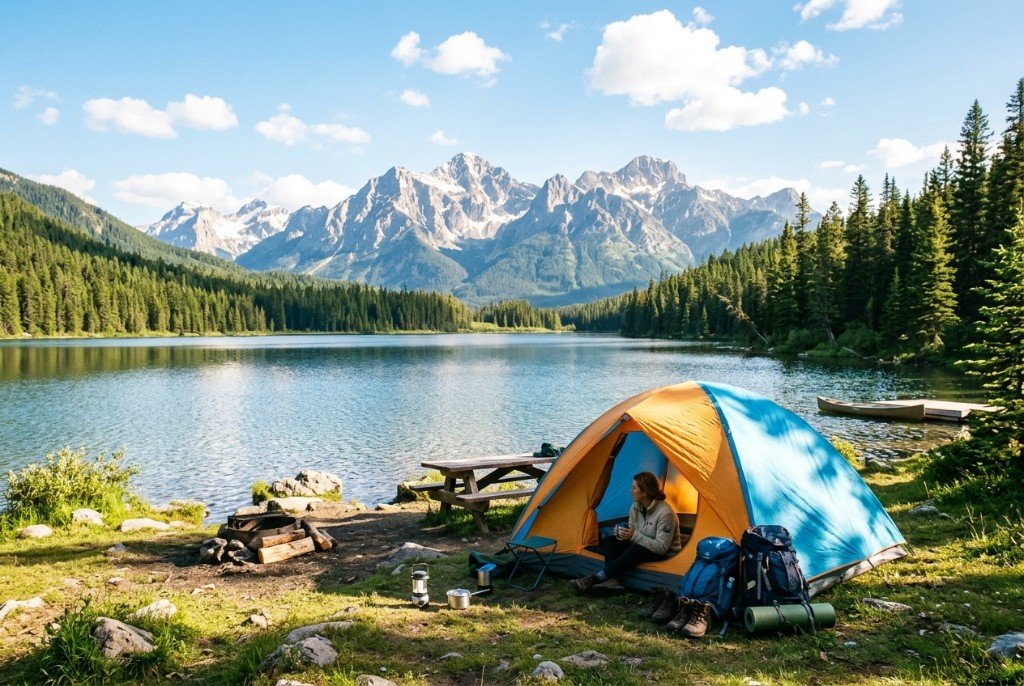
Why Karuizawa Is Tokyo's Favorite Weekend Camp Escape
For more than a century, Karuizawa has been the release valve for Tokyo's crowded, humid summers, and that same appeal makes it the single best base for a karuizawa camp weekend tokyo residents can reach without burning an entire vacation day. Perched at roughly 1,000 meters in the hills of Nagano Prefecture, Karuizawa sits just far enough into the mountains to feel genuinely cool and green, yet close enough that the Hokuriku Shinkansen delivers you from Tokyo Station in about 70 minutes. That combination — alpine air, birch forests, mineral-rich streams, and near-zero travel friction — is why generations of Tokyoites have treated Karuizawa not as a far-flung adventure destination but as a practical, repeatable weekend habit.
What makes Karuizawa distinct from other camping regions accessible from Tokyo, like Okutama or Yamanashi's lakes, is the sheer density of well-run, family-friendly campgrounds layered on top of a town that already has excellent bakeries, onsen, cycling paths, and hiking trails. You are not roughing it in true wilderness; you are camping in a curated, forested resort town that has spent 140 years perfecting the art of relaxed mountain living. For a two-day trip, that balance matters enormously — you get real nature (cool nights, dense larch and birch canopy, the sound of the Yugawa River) without sacrificing convenience, safety, or variety of things to do if the weather turns.
This guide covers everything: why the area became Japan's premier highland retreat, how to plan transport and campsite logistics from central Tokyo, which sites and seasons actually deliver the best experience, and where seasoned campers recommend spending your limited hours. Whether you're pitching a tent for the first time or you're a veteran of Japan's outdoor scene looking to optimize a tight two-day window, the goal here is the same: maximize the return on a short escape from the city.
From Missionary Retreat to Camping Culture: Karuizawa's Layered History
Karuizawa's transformation began in 1886, when Canadian missionary Alexander Croft Shaw built a summer cottage here to escape Tokyo's oppressive heat, and, crucially, its late-19th-century epidemics of cholera and other waterborne illness. Word spread among the foreign diplomatic community and Japan's emerging elite, and within a few decades Karuizawa had become the country's original "karuizawa" — the town's very name eventually became shorthand across Japan for any cool, forested retreat town. Villas, tennis courts, and the Anglican Shaw Memorial Church sprang up along tree-lined lanes, giving the town a distinctly Western, leisure-oriented character that still defines its architecture today, from the shingled cottages of Kyu-Karuizawa to the stone chapels tucked into the forest.
Camping culture arrived later but grew directly out of this legacy. As rail access improved — first with the Shin'etsu Main Line, later transformed by the 1997 opening of the Hokuriku Shinkansen — Karuizawa shifted from an elite enclave into a mass-market destination for the Tokyo middle class. Postwar Japan's outdoor boom of the 1990s, coinciding with the shinkansen's arrival, turned the surrounding forests into one of the country's densest concentrations of organized campgrounds. Unlike the rustic, self-sufficient camping traditions of Hokkaido, Karuizawa's sites evolved with an emphasis on comfort and family accessibility — cabins alongside tent pitches, on-site restaurants, hot showers, and curated activity programs — a style that mirrors the resort-town DNA the missionaries planted 140 years ago. Camping here, in other words, is less a rejection of Karuizawa's leisure heritage and more its logical continuation: cool air and pine forest, now shared with everyone who can catch a shinkansen.
Planning Your Trip: Trains, Timing, and Where to Pitch Your Tent
Getting there from Tokyo. The fastest and most reliable route is the JR Hokuriku Shinkansen from Tokyo Station (or Ueno, Omiya) directly to Karuizawa Station — about 65-70 minutes, with trains running roughly every 30 minutes on weekends. A reserved seat one-way runs approximately ¥5,700-6,000; round-trip discount tickets and the JR Tokyo Wide Pass (valid 3 days, covers Karuizawa) can bring costs down if you're combining this with other day trips. If you're carrying full camping gear, note that shinkansen luggage space is limited on non-Nozomi-style trains, so consider shipping bulky items ahead via takkyubin (courier) to your campsite or a nearby convenience store for pickup — many campgrounds accept package holds.
Getting around once you arrive. Karuizawa Station has both a rental car counter and bike rental shops directly outside; because most campgrounds sit 3-10 km from the station in areas like Naka-Karuizawa, Minami-ga-oka, or the forests near Mine-no-Chaya, a rental car is by far the most practical option if you're bringing full gear. Local buses (the Kusakaru Kogen Line and town shuttle) run seasonally but with limited frequency — fine for a car-free trip to a single accessible site, less ideal if you want to combine camping with outlet shopping or Shiraito Falls in one weekend.
Choosing a season. Late April through early November is the practical camping window; most sites close for winter. Golden Week (late April-early May) and August are the most crowded and require booking 4-8 weeks ahead. The sweet spot for a first-timer is June (before the July-August rainy-season-to-peak-summer crowds) or September-October, when daytime temperatures sit around 15-22°C, nights are crisp (often down to 8-12°C — pack a proper sleeping bag), and the autumn foliage around late October is spectacular. Summer nights average 18-20°C, a genuine relief from Tokyo's 28°C+ evenings, which is the entire point of the trip.
Where to camp. Sites cluster into a few tiers. For first-timers and families, Karuizawa Family Land and Sunny Field Karuizawa offer forested pitches, rental tent packages, hot showers, and on-site convenience stores — ideal if you don't own gear. For a more scenic, river-adjacent setup, sites near the Yugawa River around Naka-Karuizawa let you fall asleep to running water. Glamping-hybrid options like those near Hoshino Area (adjacent to the Hoshino Resorts Karuizawa complex) suit anyone who wants nature without full self-sufficiency — many rent out fully equipped tents, cookware, and firewood on arrival. Book directly through each site's website or Nihon no Camp-jo, since peak weekends sell out fast, especially pitches with river or forest-edge views.
Insider Advice: Making the Most of a Short Mountain Window
Seasoned Karuizawa campers consistently emphasize efficiency, since a weekend gives you roughly 36 usable hours. Arrive on the first Shinkansen Saturday morning rather than after work Friday — you'll gain a full extra day of daylight for hiking or cycling, and campsite check-in windows (typically from 1-2pm) rarely favor a late Friday dash anyway. Rent bicycles near the station; the Old Karuizawa Ginza shopping street, Kumoba Pond, and the Shaw Memorial Chapel are all connected by flat, well-marked cycling paths, making it easy to combine cultural sightseeing with your outdoor time without needing a car for every leg.
For meals, don't overpack groceries from Tokyo. Karuizawa's supermarkets (Tsuruya is the well-known local chain) stock excellent regional produce, Shinshu soba, and Nagano-grown vegetables at fair prices, and cooking a simple hot-pot or barbecue over your campsite's fire pit using local ingredients is both cheaper and more memorable than a packed cooler. If your site permits open fires, buy bundled firewood on-site rather than transporting your own — most parks require this for pest-control reasons.
Weather can shift quickly at elevation, especially in summer afternoons when thunderstorms build over the surrounding peaks (Mt. Asama, an active volcano, dominates the skyline to the northwest). Pack a proper rain shell and check the campsite's cancellation and shelter policy before booking; many established sites have communal lodges you can retreat to. For hiking add-ons, the Shiraito Falls waterfall and the Onioshidashi lava fields near Mt. Asama are both reachable within a 30-40 minute drive and pair well with a Sunday-morning outing before your return train. If you have young children, prioritize sites with playgrounds and shallow river access over more remote, scenic pitches — the difference in stress level is significant.
Finally, book your return shinkansen seat before you leave Tokyo, not after your trip. Sunday afternoon trains back from Karuizawa fill up fast with day-trippers and fellow campers, and standing for 70 minutes after two days outdoors is a rookie mistake worth avoiding entirely.
Conclusion: A Weekend Reset Worth Repeating
Karuizawa earns its reputation as Tokyo's most dependable camping escape precisely because it removes friction at every stage — the train ride is short, the campgrounds are well-equipped, the town offers backup plans for bad weather, and the cool mountain air delivers an immediate, tangible sense of distance from the city despite the modest travel time. It's a destination built on 140 years of refining exactly this kind of restorative retreat, and camping simply extends that tradition into a more hands-on, budget-friendly format. Pack a warm layer, book your site and return seat early, and treat this trip as the template for a recurring habit rather than a once-a-year event — the forests, rivers, and crisp evening air of Karuizawa reward repeat visits in every season the campgrounds stay open.
Was this page helpful?
Your feedback helps us improve our guides