
Kerama Islands Day-Boat Diving: The Complete Naha to Zamami Scuba Guide
📅 2026-08-22
Why the Kerama Islands Are Okinawa's Signature Day-Boat Dive Destination
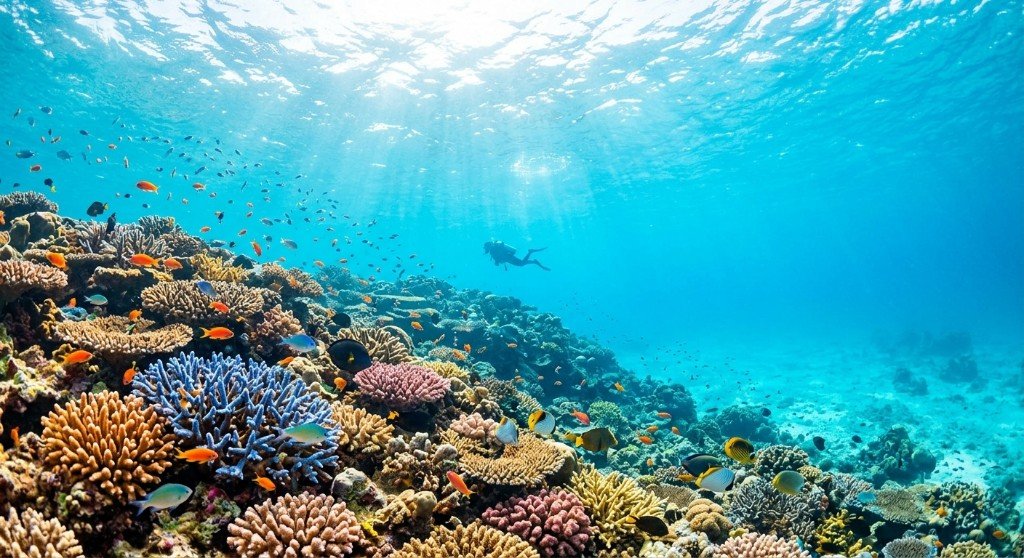
Roughly 40 kilometers west of Naha, the Kerama Islands rise out of the East China Sea as a scattered constellation of small, mountainous islets ringed by some of the clearest water in the Pacific. Visibility here regularly exceeds 30 meters, earning the surrounding sea the nickname "Kerama Blue" — a color so distinct it has become shorthand among Japanese divers for a specific shade of turquoise found nowhere else in the country. For anyone based in Naha, a Kerama day boat trip is the single most efficient way to go from a city hotel to a world-class coral reef and back again without ever needing to pack an overnight bag.
The appeal of Kerama day-trip diving lies in its combination of accessibility and quality. Unlike many of Japan's best dive sites, which require multi-day travel to the Yaeyama Islands or Ogasawara, the Keramas are close enough that a fast boat from Naha's Tomari Port can reach dive sites near Zamami, Aka, or Geruma islands in under an hour. This means a diver can wake up in a Naha hotel, be underwater with hawksbill turtles and table coral gardens by mid-morning, and be back in the city in time for dinner at a local izakaya. Few destinations anywhere in the world offer this ratio of reef quality to travel convenience, which is precisely why the Kerama Islands attract both serious underwater photographers chasing pristine coral and total beginners taking their first breaths through a regulator.
The Kerama Islands National Park, designated in 2014, protects not only the coral but also a marine ecosystem that includes seasonal humpback whale migrations, resident sea turtle populations, and reef fish diversity that rivals much larger tropical dive destinations. Because the islands sit at the boundary where warm Kuroshio Current water meets the shallower coastal shelf, the reefs here support both hard coral gardens in the shallows and dramatic drop-offs and swim-throughs further out, giving day-boat operators enormous flexibility in matching dive sites to conditions and diver skill level.
From Ryukyu Fishing Grounds to Marine Park: The Cultural Weight of the Kerama Seas
Long before scuba diving existed, the waters around the Keramas were central to the maritime life of the Ryukyu Kingdom. Zamami, Aka, and the surrounding islets served as waypoints for trade and fishing vessels moving between Okinawa's main island and the wider East Asian trade routes that connected the Ryukyu Kingdom to China, Korea, and Southeast Asia from the 14th through 19th centuries. Local fishing communities on Zamami built their livelihoods around the same reef systems that divers now explore, developing an intimate, generations-deep knowledge of currents, seasonal fish movements, and safe anchorages that modern dive guides still draw on today.
The islands also carry a somber layer of 20th-century history. In the closing months of World War II, the Kerama Islands were among the first landing sites of the Battle of Okinawa in March 1945, and Zamami in particular is remembered for tragic events involving its civilian population. Small memorials and peace markers can still be found on the islands, and many local dive shop owners and boat captains are descendants of families who lived through that period. Visiting divers who take a moment to learn this history before boarding the boat gain a deeper appreciation for the resilience of the island communities that now welcome tens of thousands of divers each year.
In the postwar decades, as Okinawa's economy shifted toward tourism, the Kerama Islands transitioned from a purely fishing-based economy to one increasingly built around marine recreation. The formal establishment of Kerama Shoto National Park cemented a conservation-first approach, with strict rules around anchoring, coral contact, and fishing within protected zones. This history matters practically: the reefs divers enjoy today are healthy specifically because of decades of community-led marine stewardship, and respecting that legacy — through responsible buoyancy control and adherence to marine park rules — is considered basic etiquette among Okinawan dive operators.
How to Plan a Kerama Day Boat Trip from Naha: Logistics, Timing, and Booking
Getting to the boat. Nearly all Kerama day-boat diving from Naha departs from Tomari Port (Tomarin), a short taxi or monorail-plus-walk ride from central Naha and Naha Airport. Most dive shops offer hotel pickup service from major Naha accommodation areas, which is worth booking in advance since it removes the hassle of navigating the port terminal with dive gear before dawn.
Boat speed and travel time matter. Not all Kerama day boats are equal — some are slower ferry-style vessels taking 60–90 minutes each way, while others are high-speed dive boats that reach Zamami or Aka waters in as little as 30–45 minutes. If you're booking a single-day trip and want maximum bottom time, prioritize operators running faster boats, since travel time eats directly into your dive schedule. A typical day trip includes two boat dives with a surface interval for lunch (often bento-style, eaten on board or on a beach), departing Naha around 7:30–8:00am and returning by 4:00–5:00pm.
Choosing your certification path. For certified divers, bring your certification card (C-card) and log book; most reputable shops will ask to see proof of your last dive if it's been more than six months. For first-timers, nearly every Kerama-based dive operator offers a "Discover Scuba Diving" style introductory dive that requires no prior certification — an instructor handles all the equipment setup and stays in physical contact throughout the dive, making it genuinely accessible even for complete beginners and reasonably confident swimmers as young as ten or twelve.
Best seasons and water conditions. Diving around Zamami and the wider Kerama chain is possible year-round, but the prime season runs from April through November, when water temperatures range from a cool 22°C in early spring to a bathwater-warm 29–30°C in peak summer (July–September). Winter diving (December–March) is quieter, cooler, and coincides with the humpback whale season, when boats sometimes combine whale watching with diving on the same trip. Typhoon season, roughly June through October, can cause last-minute cancellations, so build a buffer day into your Okinawa itinerary if diving is a priority rather than scheduling it on your only full day.
What to bring. Reef-safe sunscreen is not just good practice but often required by park regulations, since chemical sunscreens containing oxybenzone and octinoxate damage coral. Bring a rash guard or wetsuit even in summer for sun and jellyfish protection, a reusable water bottle, and cash in small denominations for any port fees, rental gear, or drinks not included in your package price.
Where the Experts Dive: Site Selection, Photography, and Marine Life Encounters
Experienced Okinawa dive guides consistently point newcomers toward a handful of standout sites that showcase why the Keramas have such a strong reputation. Zamami's Agari Hama and the surrounding reef flats are prized for their extensive table coral formations, some spanning several meters across and decades old, providing shelter for schools of butterflyfish, parrotfish, and the occasional resting whitetip reef shark. The channel between Aka and Geruma islands is a favorite for turtle encounters, with green sea turtles and hawksbills frequently seen grazing on sea grass in relatively shallow, calm water — ideal for underwater photographers who want stable, well-lit shots without fighting current.
For more advanced divers, sites on the outer edges of the Kerama chain offer dramatic topography: swim-throughs, small caverns, and drop-offs where pelagic encounters — schooling barracuda, occasional manta ray sightings, and strong but exhilarating drift conditions — reward divers with solid buoyancy control and current-diving experience. A good day-boat operator will assess group skill level at check-in and split larger groups accordingly, so it's worth being honest about your experience and comfort level rather than pushing into a site beyond your training.
Underwater photographers should note that the Kerama Blue visibility is at its most dramatic on incoming tides with minimal recent rainfall runoff, so asking your dive shop about tide charts the night before can meaningfully improve shooting conditions. Wide-angle lenses suit the coral garden topography well, while macro shooters will find healthy populations of nudibranchs and small reef fish tucked into the coral heads on the more sheltered inner-island sites near Zamami village.
Finally, seasoned local guides emphasize a point that's easy to overlook when planning logistics: choose your operator based on small group sizes and guide-to-diver ratios, not just price. The best Kerama day-boat experiences come from operators who limit groups to four or five divers per guide, allowing genuine attention to buoyancy coaching, marine life spotting, and photography assistance — a meaningful difference from larger operations that treat the reef as a drive-through attraction.
Bringing It All Together: Why Naha-to-Zamami Diving Belongs on Every Okinawa Itinerary
A Kerama day boat trip from Naha delivers something genuinely rare in world diving: internationally rated reef quality reachable within a single morning's travel from a major international airport. Whether you're a certified diver chasing the legendary clarity of Kerama Blue water, a family looking for a safe introductory dive experience near Zamami, or a photographer hoping to capture turtles gliding over pristine table coral, the logistics from Naha make this one of the most efficient world-class dive experiences available anywhere. Combine that accessibility with the layered cultural and historical depth of the islands themselves — from Ryukyu-era fishing traditions to the more solemn wartime history and the modern conservation ethic that now protects these reefs — and a single day on the water becomes far more than a checklist dive. Book with a reputable, small-group operator, respect the marine park's conservation rules, and the Kerama Islands will reward you with some of the finest scuba diving Japan has to offer, all within easy reach of your Naha hotel bed by evening.
Was this page helpful?
Your feedback helps us improve our guides