
Kochi Surf Guide: Pacific Breaks in Shikoku for Intermediate Riders
📅 2026-09-14
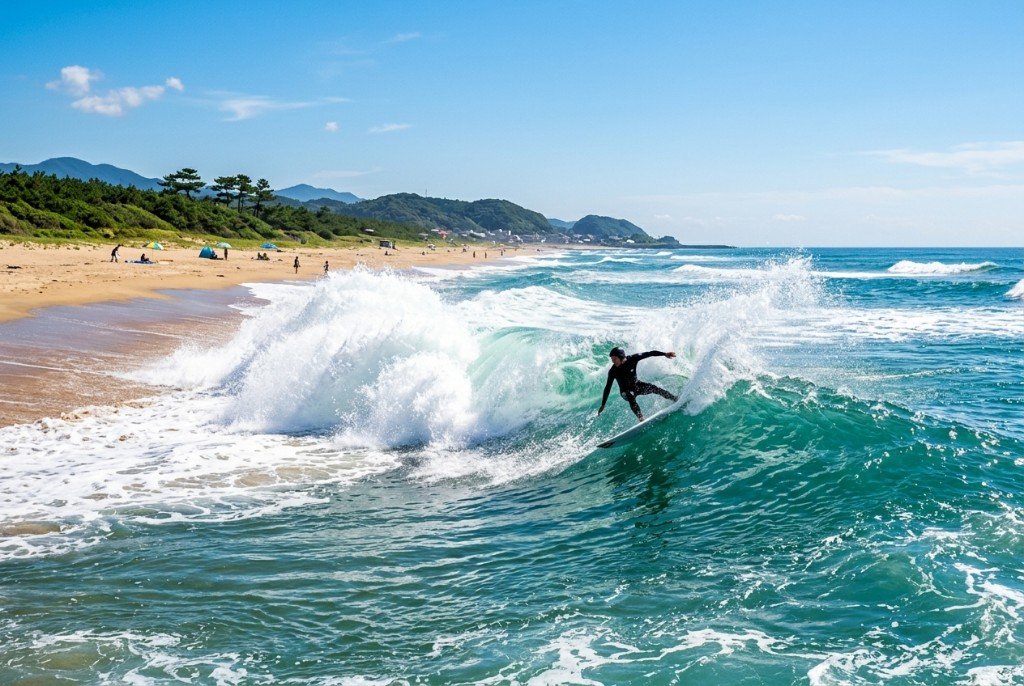
Why Kochi Is Shikoku's Best-Kept Surf Secret
Most international surfers heading to Japan default to Chiba or Shonan, within striking distance of Tokyo. But ask any Japanese surfer where they'd rather paddle out, and Kochi Prefecture on Shikoku's Pacific-facing south coast comes up again and again. This is a region defined by dramatic capes, black-sand river mouths, and a long, largely open coastline that catches groundswell straight off the open Pacific with none of the shadowing you get further inside Japan's more sheltered bays.
For intermediate surfers — people who can already catch unbroken waves, angle a bottom turn, and read a basic peak — Kochi is close to ideal. The region has a real spread of breaks: mellow, forgiving beach breaks for building wave count, and punchier point and reef setups for pushing your turns and timing once you're ready. Unlike the more famous, crowd-choked breaks near major cities, a mid-week session at a Kochi lineup like Ikumi or Nishihama can still mean sharing a peak with a handful of locals rather than fifty. This guide covers Kochi / Shikoku Pacific surfing for the intermediate level in real depth: how the region built its surf identity, where exactly to paddle out, how to plan logistics around Japan's swell and typhoon seasons, and what local etiquette and gear choices actually matter once you're in the water.
Kochi's coastline stretches roughly 700 kilometers if you count every inlet and cape, facing directly into the Pacific with almost no landmass to block incoming swell until it hits the Philippines or Taiwan. That exposure is exactly what makes it special — and also why understanding the swell windows, tides, and seasonal wind patterns matters more here than at more forgiving, swell-rich destinations.
From Fishing Villages to Surf Culture: Kochi's Coastal Heritage
Kochi Prefecture, historically known as Tosa, has always had an intense relationship with the Pacific. Long before surfboards arrived, Tosa fishermen were famous throughout Japan for their skill and daring in open-ocean conditions that intimidated sailors from calmer coasts. The region produced Sakamoto Ryoma, the Edo-era reformist who looked outward to the sea for Japan's future — a fitting symbol for a prefecture whose identity has always been tied to bold engagement with the ocean rather than shelter from it.
Modern surfing arrived in Japan in the 1960s, largely through American servicemen and returning surfers who'd traveled abroad, and it took root first in places with easy access from Tokyo and Osaka. Shikoku, more rural and further from those urban surf scenes, developed its culture more slowly and organically through the 1970s and 80s, driven by local surfers in towns like Susaki, Tosashimizu, and Muroto who recognized what their home coastline had to offer. Muroto in particular carries deep cultural weight beyond surfing — it's a UNESCO Global Geopark, revered for its wild capes and as a pilgrimage site tied to the Shikoku 88 Temple circuit, and Kobo Daishi is said to have attained enlightenment in a cave there while listening to the sea.
That layered identity — ascetic pilgrimage sites, fishing tradition, and a modern surf scene — gives Kochi's surf towns a different feel from Japan's more commercialized breaks. Surf shops share the main street with tackle stores and udon counters, not fashion boutiques. Locals tend to be direct, welcoming to respectful visitors, and proud of a coastline that took decades to earn recognition beyond Shikoku itself. In recent years, Kochi has increasingly been the subject of dedicated surf features in Japanese surf media precisely because it offers what crowded honshu breaks no longer can: room to actually surf.
Where to Paddle Out: A Practical Spot-by-Spot Breakdown
Ikumi (Tosashimizu / near Cape Ashizuri) is Kochi's most talked-about wave and a genuine intermediate-to-advanced proving ground. It's a river-mouth beach break with sand-bottom peaks that can produce hollow, punchy waves when a solid groundswell lines up with offshore or light onshore wind. It holds size well and is popular with visiting surfers from Osaka and beyond, so expect more crowd pressure here than elsewhere in the prefecture, especially on weekends and typhoon swells.
Nishihama (near Susaki / Kuroshio Town) offers a friendlier, more consistent beach break setup that's excellent for intermediates working on turns without the intensity of Ikumi on a big day. It handles a wide range of swell directions thanks to decent exposure, and the paddle-out is generally straightforward.
Cape Muroto area has several reef and point setups favored by local longtime surfers. These breaks demand more wave-reading skill and respect for exposed rock — not ideal for a first Shikoku session, but a strong goal for an intermediate looking to graduate toward reef-break competence in a controlled, low-crowd environment.
Katsurahama and the Kochi City coast give you convenient, less consistent beach-break options close to the prefectural capital — useful for a warm-up session or when swell is small, and handy if you're combining a surf trip with sightseeing in Kochi City itself (Kochi Castle, the famous Sunday market).
Tips for choosing a spot as an intermediate:
- Start sessions at beach breaks like Nishihama before working up to river-mouth or reef setups like Ikumi and Muroto.
- Always check the tide chart — many Kochi beach breaks work best mid-to-incoming tide, going flat and closing out at extreme low tide.
- Local surf shops (look for shops in Tosashimizu, Susaki, and around Muroto) are the best real-time source for which break is firing — a quick, polite conversation in basic Japanese or with translation apps goes a long way.
Timing, Gear, and Etiquette: Getting the Most Out of an Intermediate Trip
Best season: Kochi's most reliable groundswell window runs from late August through November, driven by typhoon activity tracking across the Pacific south of Japan. A well-tracked typhoon passing at a safe distance can deliver several days of clean, powerful swell — but it demands close attention to storm paths, since conditions can turn dangerous fast. Spring (March–May) offers smaller, more manageable swell that's excellent for intermediates building confidence, with fewer big-wave surprises. Winter brings cold water, offshore wind systems, and occasional solid NW groundswell wrap, but requires a thicker wetsuit (4/3mm hooded steamer plus boots) as water temps drop into the mid-teens Celsius.
Water temperature and wetsuits: Summer water hovers around 25–27°C (boardshorts or a spring suit are enough); by January it can drop to 15–17°C, requiring a full 4/3mm or 5/4mm suit. Pack for the season you're traveling in, since rental wetsuit stock in smaller Kochi surf towns can be limited compared to Chiba or Shonan.
Getting there: Kochi Ryoma Airport connects to Tokyo and Osaka by short domestic flights, and from there a rental car is essential — public transport along the surf coast is sparse, and most quality breaks (Ikumi, Muroto, Nishihama) are 45 minutes to 2 hours from the airport by car. Renting a car also lets you chase the swell along the coast day to day, which matters given how localized wind and swell exposure can be around each cape.
Etiquette specifics for Kochi: Lineups are smaller than Honshu's but still respect a clear local hierarchy — always give way to local surfers, don't snake the peak, and a simple bow or nod after dropping in on a shared wave is well received. Many river-mouth breaks like Ikumi sit near working fishing communities, so keep parking considerate and beaches clean; littering or blocking access roads damages the welcome future visiting surfers receive.
Expert Recommendations for Leveling Up in Kochi
Surfers and coaches who know the region consistently point to a few strategies that separate a good Kochi trip from a great one. First, don't fixate on Ikumi alone — its reputation draws a disproportionate share of visiting surfers, and an intermediate will often get more quality wave time, and faster technical progress, spreading sessions across Nishihama, the Muroto breaks, and smaller beach breaks near Kochi City depending on the day's swell and wind. Second, build a buffer day or two into any typhoon-season trip; the best swells are also the least predictable, and a flexible itinerary lets you chase the window rather than being locked into a single spot on a flat day. Third, invest in a translation app and learn a few surf-specific Japanese phrases (namiga ii desu ka — "is the surf good?") — Kochi's surf shop owners are a genuinely valuable, underused resource for visiting surfers willing to ask.
Finally, pair the surf trip with Kochi's broader outdoor culture. Cape Ashizuri and Cape Muroto both offer excellent coastal hiking and camping options for rest days between sessions, and the prefecture's clean rivers (particularly the Shimanto, often called Japan's last pristine river) are worth a detour for kayaking or simply resetting between swells.
Conclusion: Kochi Rewards the Surfer Who Comes Prepared
Kochi and the broader Shikoku Pacific coast aren't a destination you stumble into casually — they reward surfers who plan around swell windows, respect local etiquette, and are willing to drive the coast chasing conditions rather than parking at one famous break. For an intermediate surfer, that effort pays off directly: forgiving beach breaks to build wave count, punchier setups like Ikumi and the Muroto reefs to push your skills, and a surf culture still rooted in fishing-village hospitality rather than crowded urban lineups. Combine a well-timed late-summer or autumn trip with a rental car, the right wetsuit for the season, and a spirit of respect for both the ocean and the local community, and Kochi has a strong claim to being the most rewarding intermediate surf destination in Japan.
Was this page helpful?
Your feedback helps us improve our guides