
Miyako Island Dropoffs and Underwater Caves: Okinawa's Ultimate Scuba Frontier
📅 2026-09-04
Why Miyako Island Redefines Okinawan Scuba Diving
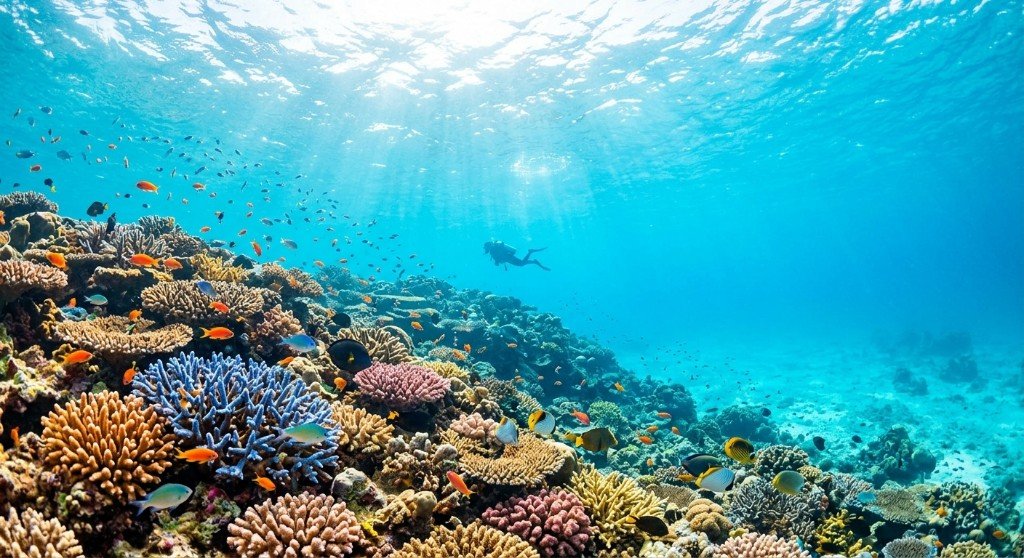
Miyako Island sits roughly 300 kilometers southwest of Okinawa's main island, an isolated coral atoll formation with no rivers draining sediment into its surrounding sea. That single geological fact explains everything divers rave about: visibility routinely exceeding 30 to 40 meters, water so clear it earns the nickname "Miyako Blue," and a limestone substrate riddled with collapsed caverns, swim-through tunnels, and sheer dropoffs that plunge from reef-top shallows into cobalt abyss within a few fin kicks. Unlike the volcanic topography found elsewhere in the Ryukyu chain, Miyako's terrain was built by uplifted coral limestone, and that limestone dissolves unevenly under wave action and freshwater percolation, producing exactly the kind of swiss-cheese underwater architecture that cave and cavern divers travel across the world to explore.
For scuba divers researching Japan's best dive destinations, the phrase "miyako dropoff cave scuba okinawa" captures the island's core identity better than any marketing tagline could. This is not a place for casual reef bobbing alone — although the shallow reefs are spectacular too — it is a destination built around dramatic vertical relief and swim-through geology. Sites like Antonio Gaudi, Grand Canyon, and the famous Doubutsuen (Zoo) cave system have become pilgrimage points for divers who've exhausted the more commonly photographed spots around Ishigaki or Kerama. Add in encounters with hammerhead sharks in the cooler months, napoleon wrasse cruising the walls, and soft coral gardens exploding in color along the ledges, and Miyako earns its reputation as Okinawa's most technically interesting and visually rewarding dive region.
This guide walks through the island's diving history, the specific sites worth your bottom time, logistics for getting certified divers into these caves safely, and the seasonal and equipment considerations that separate a good Miyako trip from a forgettable one.
The Geological and Cultural Story Behind Miyako's Underwater Landscape
Miyako's limestone plateau formed over hundreds of thousands of years as coral reefs grew, died, and were repeatedly uplifted and exposed by fluctuating sea levels during glacial cycles. When sea levels were lower during past ice ages, rainwater dissolved channels, sinkholes, and cave systems through the exposed limestone bedrock — the same karst process that creates cenotes in Mexico's Yucatan. When sea levels rose again, these terrestrial caves flooded, and the ocean's own wave energy carved further into the submerged limestone, connecting some cave systems to open water and leaving others as isolated chambers accessible only through narrow swim-throughs. This dual origin — part ancient karst cave, part modern marine erosion — is why Miyako's underwater caves feel structurally different from lava tubes found near Okinawa's more volcanic islands.
Culturally, Miyako's relationship with the sea runs deep through Ryukyuan maritime tradition. Local fishing communities have long regarded the island's dropoffs and caves with a mix of practical respect and spiritual caution; certain reef passages were traditionally avoided by fishermen due to unpredictable currents at the shelf edge, the very same current dynamics that today create the nutrient upwellings drawing pelagic fish and hammerhead sharks to dive sites like Yabiji reef system nearby. Miyako dialect and local Ryukyu folklore include references to sea caves as boundary spaces between the human world and the spirit world, a belief pattern common across Okinawa's outer islands where dark, enclosed marine caverns were treated as sacred or forbidden zones rather than recreational destinations.
Modern scuba tourism arrived relatively late to Miyako compared to Okinawa's main island, developing seriously from the 1990s onward as Japanese domestic divers sought alternatives to increasingly crowded Kerama Islands sites. Local dive operators, many family-run, built their reputations on deep knowledge of current timing and cave layouts passed down through informal apprenticeship rather than commercial franchise training, giving Miyako's dive culture a notably personal, small-scale feel even as international recognition has grown.
Where to Dive: Site-by-Site Practical Guide
Antonio Gaudi is Miyako's signature cave dive, named for its resemblance to the flowing architectural style of the Spanish architect. Located off the island's western coast, the site features a series of interconnected caverns with light beams piercing through natural skylights in the limestone ceiling, creating cathedral-like shafts of sunlight that photographers chase obsessively. Depth ranges from 12 to 25 meters, making it accessible to Advanced Open Water divers with cavern or cave-adjacent experience, though guided entry is mandatory and non-negotiable given the overhead environment.
Grand Canyon offers Miyako's most dramatic wall diving, a true dropoff site where the reef shelf gives way abruptly to a wall descending well past recreational limits. Divers typically work the wall between 5 and 30 meters, drifting along ledges thick with soft corals, gorgonian fans, and schooling fusiliers, with open blue water on one side and textured limestone on the other. Current can run strong here depending on tide, so this site rewards divers comfortable with drift diving technique.
Doubutsuen (Zoo Cave) is a shallower, more approachable cave system named for the animal-like limestone formations inside, accessible to divers with solid buoyancy control even without technical cave certification, though a knowledgeable local guide remains essential.
Yabiji, a vast submerged reef system north of Miyako, is reachable by boat charter and known for hammerhead shark sightings during the cooler months, plus expansive coral gardens in the shallower approaches.
For logistics, most dive shops are clustered around Hirara port and the Maehama Beach area on the island's southwest side. Two-tank boat dives typically run half-day trips, departing early morning to catch calmer seas and optimal light penetration into the caves. Full certification checks (C-card, logbook, and sometimes a check-out dive) are standard before operators will take divers into the more technical cave sections, so bring your certification card and recent dive log. Nitrox is widely available and recommended given the depth profiles at Grand Canyon and similar wall sites. English-speaking guides are increasingly common but not universal, so confirming language support when booking is worthwhile for international travelers.
Expert Recommendations for Timing, Skills, and Safety
Seasonally, the prime window for Miyako diving runs from April through November, with peak visibility and calmest seas typically in May, June, and October, avoiding both the June-to-October typhoon risk peaks and winter's stronger northeast winds. Water temperatures range from around 22°C in winter to 29°C in summer, meaning a 3mm wetsuit suffices for most of the year while winter diving benefits from a 5mm suit, especially for the longer cave penetration dives where you're less physically active.
Experienced dive guides consistently recommend that divers new to Miyako start with a check dive at a shallower reef site before attempting Antonio Gaudi or Grand Canyon, since local guides use this to assess buoyancy, air consumption, and comfort level before committing to overhead cave environments or strong-current wall dives. Buoyancy control is the single most important skill for these sites: careless fin kicks inside limestone caves damage fragile formations that took millennia to form, and poor trim near cave ceilings risks silting out visibility for the entire group.
For photographers, a wide-angle lens setup is essential at Antonio Gaudi to capture the light-shaft phenomenon, and the best light timing is typically late morning when the sun angle sends beams deepest into the cave openings. Bring a dive light even for "cavern" sections classified as daylight-zone, since side chambers and ceiling details benefit enormously from supplemental illumination.
Divers hoping to see hammerhead sharks at Yabiji should target the December through February window when these sharks migrate closer to Miyako's reef edges, though sightings are never guaranteed and require some luck alongside a knowledgeable boat captain. Booking multi-day packages with a single operator tends to yield better site selection, since guides can adapt the itinerary day to day based on current conditions and diver skill progression rather than running a fixed rotation.
Non-diving travelers or those pairing a dive trip with other activities will find Miyako offers excellent surf breaks on its eastern shores during winter swells, plus camping options near Yonaha Maehama Beach for a low-cost basecamp between dive days, rounding out the island as a broader outdoor destination beyond just its underwater draws.
Planning Your Miyako Dive Trip: Final Thoughts
Miyako Island earns its place among Japan's premier scuba destinations through a rare combination of exceptional water clarity, geologically unique cave systems, and dramatic dropoff walls that satisfy both recreational divers seeking beautiful reef scenery and more advanced divers chasing technical cave and wall profiles. The island's limestone karst history gives its underwater terrain a genuinely different character from elsewhere in Okinawa, and sites like Antonio Gaudi and Grand Canyon have rightfully become bucket-list destinations within the Japanese and international dive community.
Success on a Miyako dive trip comes down to timing your visit for calm-season conditions, choosing an operator whose local guides know the current patterns and cave layouts intimately, and respecting the buoyancy discipline these fragile limestone environments demand. Whether you're drawn by the promise of sunbeams piercing a submerged cathedral, the thrill of a hammerhead sighting along a current-swept wall, or simply the clearest water you'll find anywhere in Japan, Miyako delivers an underwater experience that stands apart even within Okinawa's already exceptional diving region. Plan around the April-to-November window, book with a reputable Hirara-based operator, and give yourself at least three to four days on the island to properly work through its signature dropoff and cave sites.
Was this page helpful?
Your feedback helps us improve our guides