
Miyako Surf Without the Circus: A Scenic Guide to Quiet Peaks
📅 2026-09-26
Who This Guide Is For — And Why Miyako Surf Is Different
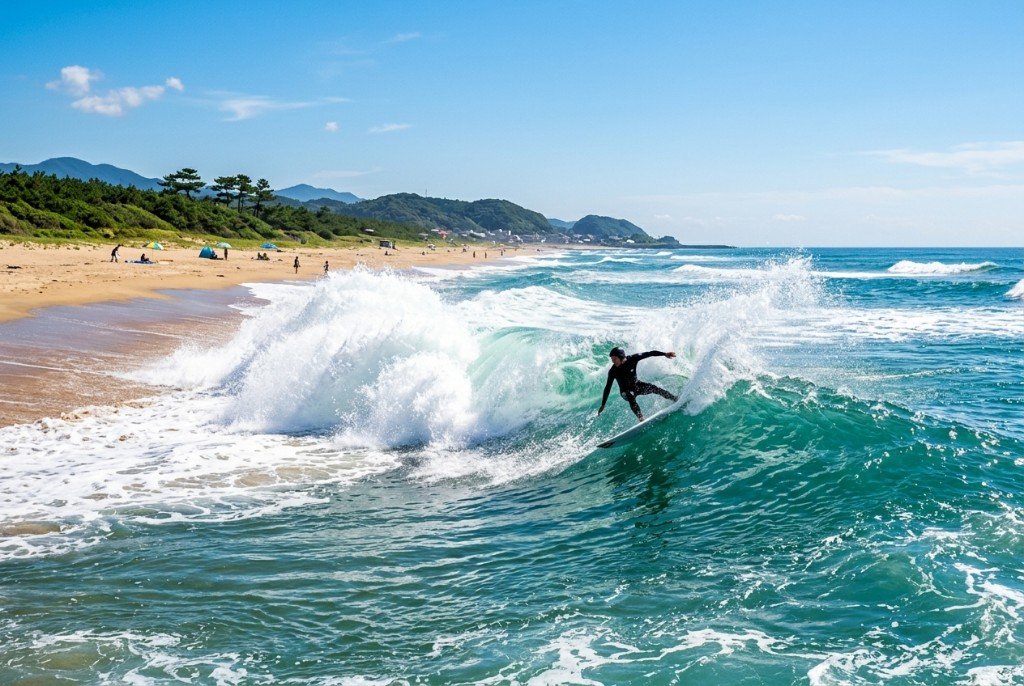
If you've surfed Bali, Nias, or even mainland Japan's Shonan and Chiba breaks, Miyako Island (Okinawa Prefecture) will feel like a different sport. This is a reef-and-lagoon system carved out of raised coral limestone, not a beach-break coastline. The water is that impossible turquoise-to-cobalt gradient you see on postcards, visibility often exceeds 20 meters, and the surf itself is secondary to the scenery for a lot of visitors — which is exactly the problem this guide addresses. Miyako has become an Instagram-driven day-trip destination for boats out of Ishigaki and cruise ship stopovers, so a handful of postcard peaks (Yoshino, Painagama, and the channel breaks near Irabu Bridge) get swarmed between 10am and 2pm, especially April through October.
This guide is for intermediate-to-advanced surfers who want real waves, not just photos, and who are willing to shift their schedule and their target break to get them. It's also useful for anyone combining surf with scuba diving or camping on Miyako, since the island's best assets — reef passes, coral walls, and quiet coastal camp spots — sit right next to the surf zones and share the same crowd-timing logic. Miyako isn't a beginner longboard destination like Chatan on the mainland; the reef is sharp, shallow at low tide, and unforgiving of bad positioning. Know your ability before committing to anything past the inside shelf.
Historically, Miyako's coastline was shaped by centuries of fishing culture rather than surf culture — local communities built stone-walled harbors (many still visible near Hirara) to shelter boats from the same swells that now draw surfers. That fishing heritage is why a lot of the best reef passes sit conveniently near small harbor towns with basic food and gear shops, a happy accident for modern visitors.
Reading the Reef: Swell, Tide, and Crowd Behavior
Miyako's surf is almost entirely reef-pass and outer-reef breaks, meaning the wave quality depends far more on tide height than on mainland-style beach breaks. Key things to understand before paddling out:
- Swell direction matters more than swell size. Miyako sits exposed to north, northeast, and east swells generated by winter monsoon fetch and passing typhoons. A 1.5m NE swell with clean period will outperform a messy 2.5m windswell every time.
- Tide governs rideability. Many reef shelves here go from unsurfable (too shallow, boards will hit coral) to firing in a two-hour tide window. Mid-to-high tide is generally safer for visitors; dead-low tide exposes coral heads that are genuinely dangerous.
- Wind is a local, not regional, variable. Because the island is small and flat, offshore wind direction flips fast depending on which side of the island you're facing. A break that's blown out on the east coast can be glassy on the west coast the same morning.
- Crowd density spikes on scenic peaks, not necessarily quality peaks. The most photogenic breaks — turquoise water framed by limestone cliffs, visible from coastal roads — attract tour boats, drone photographers, and casual surfers who never actually catch a wave. These are the peaks to treat as scenic viewpoints in the middle of the day and surf spots only at dawn or dusk.
The practical takeaway: check tide charts and swell direction the night before, then pick your break based on which side of the island is working — don't fixate on one famous peak and force it.
Season and Access: When to Go and How to Get There
Best swell windows: Late autumn through early spring (November–March) brings the most consistent NE swell from winter monsoon systems, with cooler air but still-warm water (low-to-mid 20s°C). Typhoon season (roughly July–October) can produce excellent, powerful swell on the fringes of a storm's track, but requires flexibility and respect for safety advisories — never surf during a direct typhoon approach. Summer (June–September) is generally smaller and more wind-affected, better suited to scuba diving and lagoon snorkeling than serious surf, though early morning glass-offs still happen.
Crowd timing by season: April through October is peak tourism season for Miyako overall (cruise ship arrivals, mainland Japanese holidaymakers, and Taiwanese/Korean tour groups), which is when the scenic peaks near Irabu Bridge and Yonaha Maehama get busiest — not necessarily with surfers, but with sightseers and photographers crowding the water's edge and parking areas. If your main goal is surf, the November–March window solves two problems at once: better swell and thinner tourist crowds.
Getting there: The hub is Miyako Airport (MMY) in Hirara, served by direct flights from Naha (Okinawa's main island, roughly 50 minutes) and seasonal direct flights from Tokyo Haneda/Narita and Kansai. From Naha, this is the simplest route for most international visitors — fly into Naha, connect to Miyako, or take the longer inter-island ferry if you're combining trips.
Once on Miyako, a rental car is essential — public transport is sparse and surf/dive access points are spread across the island's coastline and the connected islands of Irabu, Shimoji, and Kurima (all linked by bridge, no ferry needed). Budget 20–40 minutes of driving between major breaks. Most surf and dive shops in Hirara offer board and gear rental, so you don't need to fly with a board unless you're particular about your quiver.
Practical Tips: Booking, Etiquette, and Where to Stay
Booking: Book accommodation and any guided surf or dive charters at least a month out for peak season (Golden Week in early May, Obon in mid-August, and the Lunar New Year period draw heavy Taiwanese and Korean tourism). Off-peak winter months are far easier to book last-minute and often cheaper. If you want a local guide to read the reef safely — strongly recommended for first-time visitors given the sharp coral and localized currents — reach out to Hirara-based surf or dive shops directly rather than relying on generic tour aggregators; smaller operators know which reef passes are working on a given day.
Gear: Reef boots or at minimum a thick coat of reef-safe wax awareness — bring a step-up board if you're chasing typhoon swell, and expect to need reef fins or a reef-friendly board for any lagoon snorkeling side trips. A basic ding-repair kit is worth packing since reef strikes are common even for careful surfers.
Etiquette: Miyako's surf community is small and locals prioritize safety and mutual respect over aggressive lineup hierarchy, but that cuts both ways — disrespecting priority or crowding a small reef peak will be noticed quickly in a tight-knit lineup. Give way to local surfers, don't paddle straight to the peak on your first session without observing the takeoff zone, and never surf alone on an unfamiliar reef break.
Food and stay: Hirara town has the widest range of accommodation and food, from guesthouses to small hotels, and puts you within a 15–30 minute drive of most breaks. For a quieter base, look at guesthouses on Irabu or Shimoji Island — closer to some of the less-crowded reef passes and with genuinely dark, star-filled nights if you're camping. Miyako soba (a local noodle dish distinct from mainland soba) and fresh maguro (tuna) are worth seeking out post-surf; small family-run shokudo near the harbors tend to be both cheaper and better than tourist-strip restaurants.
Combining with diving or camping: If you're splitting time between surf and scuba diving, plan dive days for midday slack tide when surf conditions are typically weakest anyway — Miyako's dive sites (including the famous Painagama Point drop-offs and Irabu's underwater caves) are exceptional and don't compete for the same tide windows as the surf. For camping, several coastal sites on Irabu and Shimoji allow basic beach or campground stays; check current permissions locally, as rules shift season to season, and always pack out everything given the fragile coral coastline.
The overall strategy for Miyako: treat the famous scenic peaks as sunrise-or-sunset sessions or skip them entirely during midday high season, use tide and swell direction — not Instagram fame — to pick your daily break, and lean on local shops for the reef knowledge that keeps a coral-bottom session safe rather than scary.
Was this page helpful?
Your feedback helps us improve our guides