
Winter Surfing in Okinawa: Riding the North Swell and Reading the Reef
📅 2026-08-24
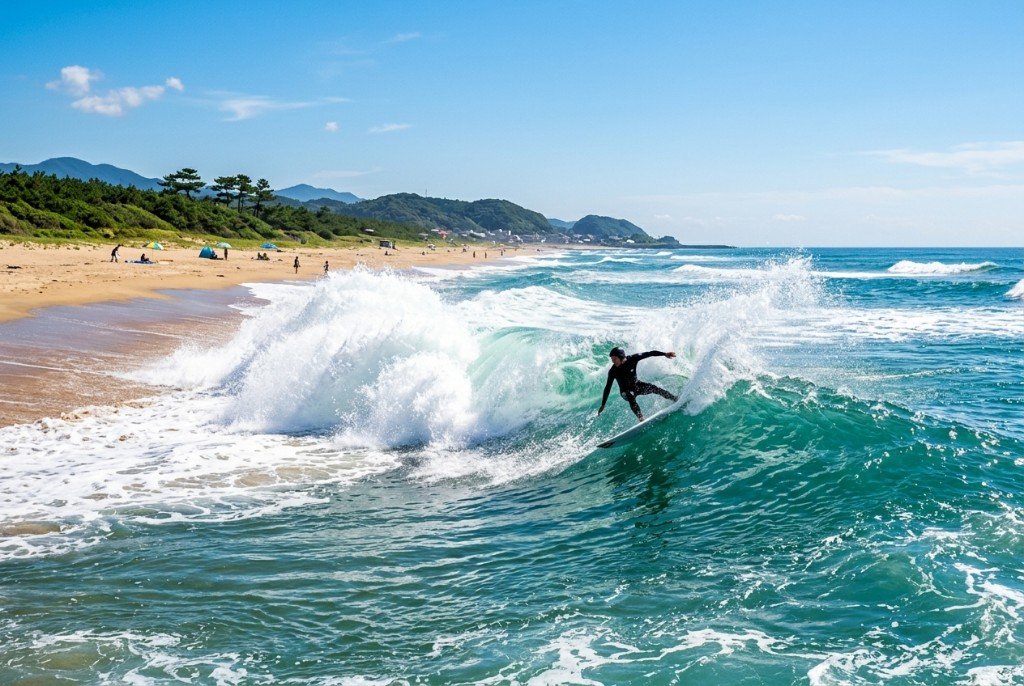
When Winter Turns the East China Sea On
Most travelers picture Okinawa as a summer destination — turquoise shallows, coral gardens, and flat, glassy lagoons perfect for swimming. But ask any local surfer what the best season actually is, and the answer flips entirely: winter. From late November through February, a series of powerful low-pressure systems track across the northern Pacific and East China Sea, generating consistent northwest and north groundswell that wraps into Okinawa's exposed coastlines. This is the Okinawa winter surf season, and for those willing to trade sunbathing for wetsuits, it delivers some of the most rewarding reef-break surfing in Japan.
The north swell season transforms quiet fishing villages into low-key surf outposts. Breaks that sit dead flat all summer suddenly wake up, sending clean lines across fringing reef shelves in Nago, Ginoan, and the northern tip of the main island around Hedo. Because Okinawa's main island runs roughly north-south with its long western and northern shorelines directly exposed to swell generated near Taiwan and the East China Sea, a well-organized north or northwest swell can produce head-high-plus waves with real shape and power — a different animal from the wind-chopped summer typhoon leftovers most visitors associate with the islands.
This guide covers what makes Okinawa's winter swell window unique, how reef geography shapes the waves you'll ride, and the practical, safety-first knowledge you need before paddling out on unfamiliar coral.
Reef, Ritual, and the Okinawan Relationship With the Sea
Okinawa's identity has always been inseparable from the ocean. Long before it became a Japanese prefecture, the Ryukyu Kingdom built its wealth on maritime trade, and coastal villages developed deep, practical knowledge of tides, reef passages, and seasonal wind shifts — knowledge that today's surfers still lean on, often without realizing its lineage. Traditional Ryukyuan fishing relied on reading the reef edge (called ree in the local Uchinaguchi dialect) to find channels safe for boats, the same channels that modern surfers now use to paddle out through the impact zone.
Surfing itself arrived in Okinawa later than in mainland Japan, carried largely through the U.S. military presence on the island starting in the mid-20th century. Bases near Chatan and Kadena introduced board culture, and over decades it blended with local fishing-village life to create today's low-key, tight-knit Okinawan surf community. Unlike the crowded breaks of Chiba or Shonan, Okinawa's lineups remain small and informal, but respect for the reef and the sea runs deep — many local surfers still observe simple customs, like avoiding new breaks without a local's blessing, or checking with village elders about access through private coastal land.
Understanding this context matters practically, not just culturally: much of the coastline bordering good winter reef breaks passes through small agricultural or fishing communities where courteous behavior — quiet parking, no littering, greeting locals — goes a long way toward keeping access open for everyone.
Where to Surf: Reading the North Shore and Choosing Your Spot
Okinawa's winter surf geography rewards a bit of homework before you go. The island's exposed north and northwest-facing coastlines pick up the season's dominant swell direction, while the more sheltered east and south sides stay mellow — useful as a backup when the north is overpowering or blown out.
Key winter zones to know:
- Hedo and the far north (Kunigami area): The most exposed stretch of the main island, catching north swell with minimal blocking. Waves here can be powerful and hollow over sharp reef shelves — best suited to experienced surfers who understand reef-break positioning.
- Nago and Ginoan coastlines: More accessible reef setups with a mix of point-style and reef-slab waves. A good middle ground for intermediate surfers stepping up from beach breaks.
- Chatan and the central west coast: Softer, more forgiving reef and sandbar combinations, popular with the local surf school scene and a reasonable entry point for visiting surfers still building reef confidence.
- Kouri Island and outlying reef passes: Less crowded, but require local knowledge of the safe paddle-out channel, since misjudging the reef edge here means a long, dangerous swim over shallow coral.
Practical logistics: rent a car, since most of these breaks sit well outside Naha and public transit doesn't reach the northern coast reliably. Reef booties are non-negotiable — Okinawan reef is sharp, alive, and unforgiving of bare feet, even at breaks that look sandy-bottomed from shore. A 3/2mm or 4/3mm wetsuit is recommended in December through February, when water temperatures drop into the low-to-mid 20s Celsius but wind chill on exposed points bites harder than the number suggests.
Timing your session around the tide is essential. Many Okinawa reef breaks only work within a specific tide window — too low and the reef becomes a hazard with almost no water covering it; too high and the wave loses shape and power. Checking a local tide chart alongside the swell forecast, rather than swell alone, is the single most important habit to build before paddling out anywhere on this coast.
Expert Recommendations for Surfing the Okinawa Reef Safely
Surfers who know this coast well emphasize a few non-negotiables that separate a great winter session from a dangerous one:
Scout before you paddle. Reef breaks are not forgiving of guesswork. Spend ten minutes on the point or beach watching a full wave set cycle before entering the water. Identify the channel — the deeper, calmer strip of water locals use to paddle out without crossing the shallowest reef — and note where other surfers are exiting after a wipeout.
Respect the local pecking order. Okinawa's surf scene is small, and etiquette matters more here than at anonymous mainland breaks. Wait your turn, don't drop in on locals who know the wave intimately, and if in doubt, sit wide and watch for a session before jumping into the rotation.
Match the board to the wave, not the ego. Winter reef breaks reward surfers riding boards suited to steeper, faster faces — a step-up shortboard or a mid-length with more paddle power handles the north swell's punch far better than a soft-top rented for flat summer lagoons.
Build in a margin for error. Because many spots are remote, cell signal can be patchy and the nearest clinic may be 30-60 minutes away. Surfing with a buddy, carrying a basic reef-cut first aid kit in the car, and telling someone your planned session location and return time are simple habits experienced Okinawa surfers treat as standard practice, not overcaution.
Check the full forecast picture, not just wave height. A well-organized north swell with a long period (12+ seconds) and moderate wind produces vastly better conditions than a short-period wind swell of the same reported height. Cross-reference offshore buoy data and wind forecasts rather than trusting a single wave-height number.
Closing Thoughts: A Different Side of Okinawa
Winter surfing in Okinawa isn't the postcard version of the islands most travelers expect, and that's exactly its appeal. Trading summer crowds for a quiet, cool-season swell window reveals a rawer, more physically demanding side of this coastline — one shaped by real reef geography, real local etiquette, and real consequences for underestimating the ocean. For surfers willing to put in the preparation — studying the tide, respecting the reef, and easing into the local rhythm rather than forcing it — Okinawa's north swell season offers some of the most rewarding, uncrowded reef surfing anywhere in Japan. Go in with humility, good reef booties, and a plan, and the winter waves here will more than repay the effort.
Was this page helpful?
Your feedback helps us improve our guides