
First-Time Hokkaido Ski Trip: Niseko vs Furano 3–4 Day Route + Gear Rental Budget
📅 2026-08-12
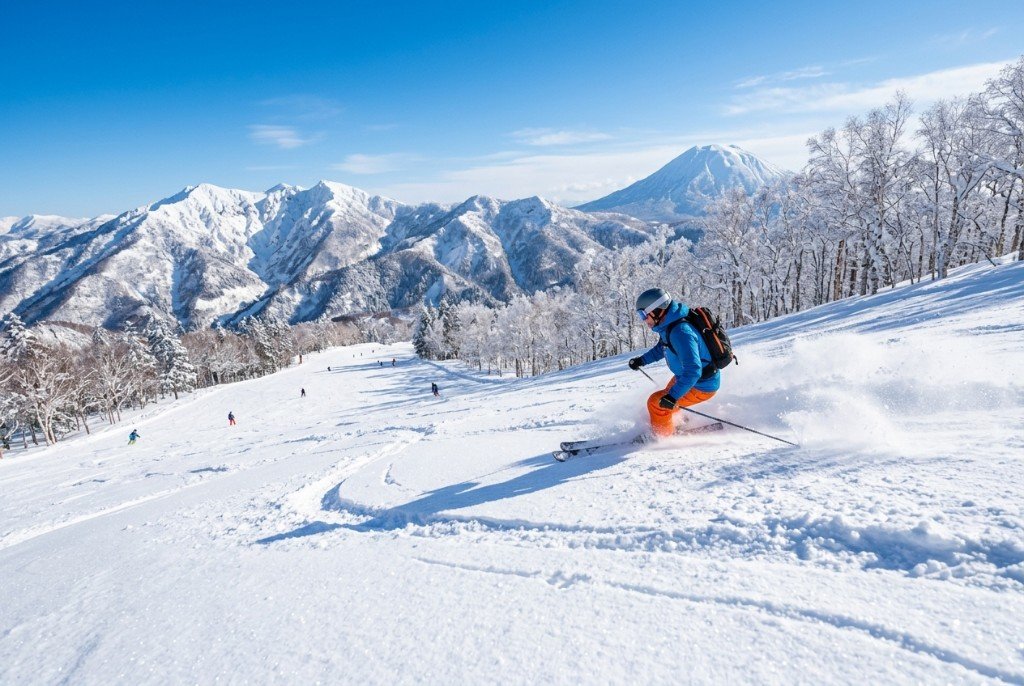
A short Hokkaido ski route works best when you pick one village base, ski hard for two days, and keep one soft day for weather or recovery.
Open the JPFun Ski · Hokkaido map first, then pin 2–3 resorts within a short drive of your stay.
Day 0 — Arrive & settle
- Fly into New Chitose; bus or train toward Niseko (international feel, tree runs) or Furano (calmer, big-mountain views).
- Check gear rental hours; reserve if you land late.
- Early night — powder days start early.
Days 1–2 — Ski the base
- Ski the home mountain first; learn lift lines and snow reports before day-tripping.
- Keep a second resort on the JPFun map as a backup if wind closes upper lifts.
- Lunch near the base; avoid over-planning restaurants until you know the snow day length.
Day 3 — Flex day
- Great snow: another full ski day or a short hop to a nearby hill.
- Whiteout / legs done: onsen town soak — browse okonsen.net for a ryokan or day bath on the return corridor.
- Need carbs: a ramen stop via okramen.net.
Day 4 — Exit buffer
- Morning ski only if flights are late; otherwise transfer with margin for winter roads.
- Screenshot your JPFun shortlist before you lose signal in the hills.
Packing anchors
- Layering for wet cold, goggle spare lens, cash for some mountain vendors.
- Travel insurance that covers off-piste if you plan to leave marked runs.
This route is intentionally thin: base + powder + one recovery pin. Add Hakuba later on a second trip — do not merge both into one first visit.
Who this route suits
This plan fits first-time Hokkaido skiers who want one solid base village instead of a multi-resort circuit — riders comfortable choosing between Niseko's international lift lines and Furano's quieter big-mountain pitch. It suits travelers on a single 3–4 day window who'd rather bank two strong ski days and protect one flex day than gamble the whole trip on weather. If you already ski Japan regularly and want to chain multiple resorts, this base-first structure is deliberately too thin — save the multi-village version for a longer second trip.
Why Single-Base Routes Work Better for First-Timers
Staying at one resort eliminates day-trip fatigue and jet-lag mistakes; you learn one lift system and local shuttle routes. Niseko suits travelers seeking international dining and tree skiing; Furano appeals to skiers wanting fewer crowds and expansive views. Keeping Day 3 unscheduled lets you follow live snow reports instead of pre-booked dinners—a flexibility that often determines whether you catch powder or face wind holds.
First-Timer Gear & Budget Snapshot
Rent skis/boots/helmet on arrival (~¥3,000–5,000/day) rather than shipping. Bring thermal base layers, goggles spare lens, and travel insurance covering off-piste. Budget ¥8,000–12,000/day for slopes, meals, and lodging. Book ski school early in peak weeks; group lessons are cheaper than private and often full on holidays.
Budget Planning: Gear Rental & Daily Costs
Rental equipment (skis, boots, jacket, pants) is available at both Niseko and Furano base areas; reserve in advance during peak weeks (December–February) to secure your sizes. Ski passes for 2–3 day beginner visits are affordable; mountain cafés cost more than village restaurants. Add onsen or day-bath entry fees (budget-friendly option widely available), lodging (condo-style often cheaper than hotels), and food between ski days. Create a simple daily budget sheet before booking to avoid cost surprises and compare accommodation options early in your planning.
Was this page helpful?
Your feedback helps us improve our guides