
Izu Scuba Weekend from Tokyo: 2-Hour Train, Shore & Boat Dives
📅 2026-08-12
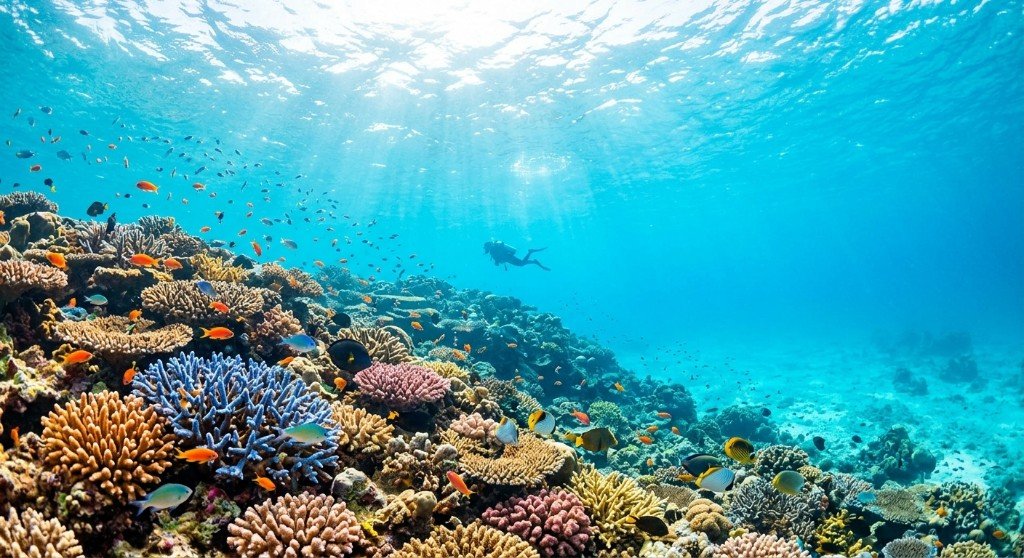
Izu / Chubu diving suits Tokyo-based schedules: overnight bus or train, dive, return.
Open JPFun Scuba · Izu / Chubu, shortlist shops that match your cert and last-dive date.
Day 0 — Travel south
- Arrive before shop briefing; confirm entry points and parking.
- Pack reef-safe sunscreen and a warm layer for boat wind.
Day 1 — Dive day
- Shore circuits or a short local boat — follow the shop’s site call.
- Two tanks is a solid weekend goal; do not stack night dives unless planned.
Day 2 — Buffer
- Optional easy second dive or scenic drive back.
- Fly-international rules matter less here, but still rest if you feel drained.
Route rule
Izu is not a substitute for Kerama visibility dreams — pick Okinawa when water clarity is the whole point.
Who This Suits
Best for certified divers based in Tokyo who want a low-hassle weekend: short travel, shore or short-boat sites, no flight stress. Good for stacking bottom time between bigger trips, or testing gear before a longer Okinawa run.
Quick tips
- Check tide and surge reports before shore entries — conditions shift fast on exposed coastlines.
- Pack a spare mask strap and O-ring kit; small parts are easy to forget on a quick weekend trip.
- Confirm your shop's minimum group size — some Izu operators need a few bookings before the boat runs.
Izu Diving Weekend FAQ
How far is Izu from Tokyo? Most shops are reachable by train or overnight bus, making this a realistic two-day trip without flights.
Do I need advanced certification? No — Izu suits open-water divers as well as advanced divers looking for easy shore or short-boat sites.
Best season? Shops run dives most of the year; conditions vary by site, so confirm current visibility and surge with your operator when booking.
Gear to bring? Reef-safe sunscreen, a warm layer for boat wind, and a spare mask strap or O-ring kit for a smooth weekend.
Weekend Dive Trip Essentials
Most Tokyo divers catch the overnight bus or morning train, dive the same day, and return within 48 hours. Bring reef-safe sunscreen, a warm layer for boat wind, and confirm your shop's briefing time before arrival. Two tanks is the weekend target—skip stacking night dives unless you planned ahead. After the dive, train back the next morning; you're usually home for dinner.
Izu Scuba by Season: Conditions & What to Expect
Izu operates year-round. Summer (June–August) brings warmth and decent visibility—the busiest tourist months. Fall (September–November) offers crisp water and calmer weekdays. Winter (December–February) is quietest but requires a thicker wetsuit and planning around surge days. Spring (March–May) transitions between seasons. Contact your shop for current conditions before booking—surge and tidal flow shift daily on these exposed coastlines.
Was this page helpful?
Your feedback helps us improve our guides