
Tokyo Weekend Scuba Trip to Shimoda: Your Izu Peninsula Dive Escape
📅 2026-09-26
Why Shimoda Is Tokyo's Real Weekend Dive Escape
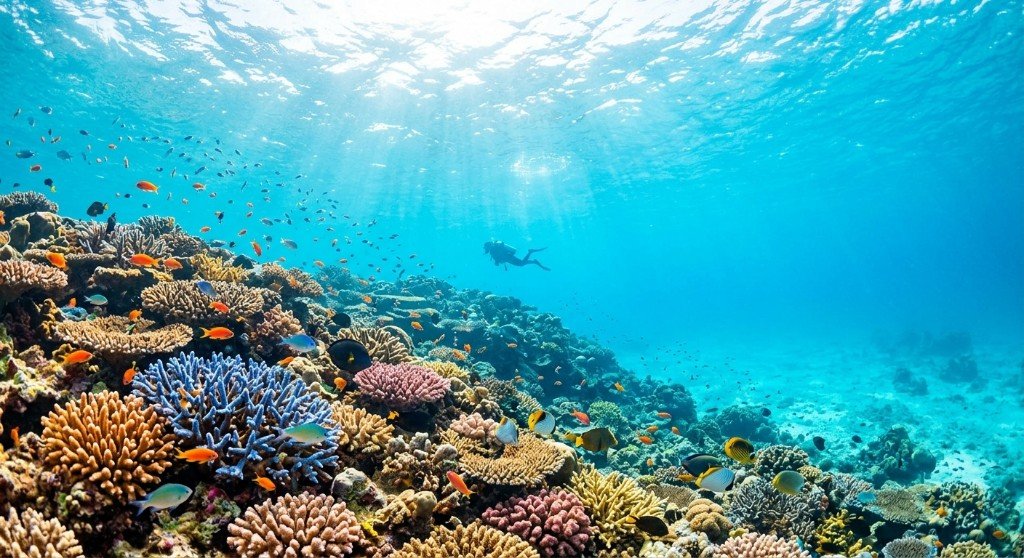
If you live in Tokyo and want to dive without burning a plane ticket or a full week of leave, Shimoda is the answer everyone in the local dive community already knows about. It sits at the southern tip of the Izu Peninsula, where the warm Kuroshio Current sweeps up from the Philippine Sea and collides with cooler coastal water, creating a strange, wonderful mixing zone. The result is subtropical fish life — clownfish, moray eels, occasional turtles, and schools of butterflyfish — living on volcanic rock reefs that feel nothing like the sandy lagoons of Okinawa. This is macro-and-structure diving, not postcard-blue-water diving, and that's exactly its appeal.
Shimoda has been a gateway town for centuries. It was one of the two ports opened to the West after Commodore Perry's arrival in 1854, and the Treaty of Shimoda was signed here — the town's small museums and the preserved Perry Road still trade on that history. For a modern visitor, the more relevant legacy is that Shimoda has been a diving town for over 60 years, with generations of dive shops, boat captains, and instructors who know every reef, wall, and swim-through along this coast. That institutional depth means better briefings, better site selection when conditions shift, and English-speaking staff at several operators used to Tokyo weekend traffic.
This trip suits certified divers who want two boat dives on Saturday and Sunday morning, back in Tokyo by dinner. It also works well for newly certified divers doing their first open-water dives outside a pool, since several sites are sheltered, shallow, and beginner-friendly. It is not the trip for someone chasing manta rays or drift diving — for that, look further south to the Izu islands or Okinawa. Shimoda is about convenience, variety, and surprisingly rich temperate-subtropical reef life within a half-day's travel.
Dive Conditions: Sites, Visibility, and What the Reef Actually Looks Like
Shimoda's dive sites cluster around a few bays and points, each with a different character, so a two-day weekend easily covers contrasting terrain without repeating a site.
Mikomoto Island is the headline site for advanced divers — a submerged pinnacle a boat ride offshore known for schooling hammerhead sightings in season, along with strong currents that demand real experience and a guide who reads the water well. This is not a beginner site; treat it as the reward dive once you've logged a few local checkouts.
Kisami and Yumigahama are calmer, sandy-bottomed bays close to shore, ideal for checkout dives, night dives, and photography of small critters — nudibranchs, shrimp gobies, and juvenile fish hiding in the rocks. Depths here run shallow, often 5–15 meters, which extends bottom time considerably.
Nabeta Bay, near the Shimoda Marine Park, is probably the most-dived site in the area: a rocky cove with swim-throughs, small caves, and healthy soft coral growth for this latitude. Visibility here typically runs 8–15 meters depending on recent weather, better in autumn and winter when the water is clearer but colder, murkier in the peak summer rainy season.
Water temperature swings hard across the year — roughly 24–27°C in September, dropping to 16–18°C by February — so a 5mm wetsuit is the year-round minimum, with a hooded vest or drysuit sensible for winter trips. Local shops rent both, but book gear in advance for cold-season weekends since rental stock is limited.
Currents are the main variable divers underestimate. Shimoda sits on an exposed coastline, and swell direction changes which side of the peninsula is diveable on any given day — this is precisely why using a local operator matters more here than at a sheltered lagoon destination. Shops adjust the day's site order each morning based on wind and swell reports, so don't lock in a specific site when booking; book the shop and trust their call.
Season and Access: When to Go and How Fast You Can Get There From Tokyo
Best season window: Late June through October offers the warmest water and best topside comfort, with July–September delivering the widest fish variety as warm-current species push north. Winter diving (December–March) trades comfort for clarity — some of the clearest visibility of the year happens in cold months, plus a shot at seeing hammerheads near Mikomoto in season, though you'll want a thicker suit or drysuit. Avoid the June rainy season (tsuyu) if you're sensitive to surface chop and reduced visibility from runoff.
Access from Tokyo is the whole reason this trip works as a weekend plan:
- Train (fastest, no car needed): JR Odoriko or Saphir Odoriko limited express trains run directly from Tokyo Station to Izukyu-Shimoda Station, about 2 hours 20 minutes to 2 hours 45 minutes depending on service, no transfers. This is the standard route for divers without a car — most shops offer free pickup from Izukyu-Shimoda Station, timed to the morning arrivals.
- Shinkansen + local line: Take the Tokaido Shinkansen to Atami (about 40 minutes from Tokyo Station), then transfer to the Izukyu Line down to Shimoda (roughly another 1 hour 40 minutes). Slightly more expensive with the transfer, but useful if you're coming from Shin-Osaka or want more frequent departures.
- Car: Via the Tomei Expressway to Numazu, then Izu Skyline or Route 136 down the peninsula, roughly 3–3.5 hours from central Tokyo without traffic, longer on Friday evening or Sunday return during peak season. A car gives flexibility to detour to Izu's onsen towns but isn't necessary and adds parking hassle at dive shops.
- Bus: Direct highway buses run from Tokyo/Shinjuku to Shimoda, cheaper than the train but slower (around 3.5–4 hours) and less convenient with dive gear.
For a genuine weekend trip, the train is the move: Friday night or Saturday early-morning departure, two mornings of diving, and a Sunday evening train back into Tokyo Station puts you home before 8 or 9 pm.
Practical Tips for Booking, Gear, and Making the Most of the Weekend
Booking: Reserve your dive shop at least 1–2 weeks ahead for summer weekends (July–August), since Tokyo-based dive clubs block-book boats well in advance. Winter weekends are far easier to book last-minute. Most shops run a two-tank morning boat dive and can add an afternoon shore dive or night dive if you want three dives in a day — worth requesting when you book if you're only in town one full day.
Gear: Bring your own mask, fins, and computer if you dive often; rent BCD, regulator, and wetsuit locally to save on luggage for the train. Confirm nitrox availability if you're certified — several Shimoda shops offer it, but not all, and it's worth asking specifically since it's not always listed on English-language booking pages.
Certification and logs: Bring your certification card and logbook. Shops here are used to walk-in Tokyo divers but will still want to verify recent dive experience before Mikomoto or any current-exposed site, especially if your last dive was more than six months ago.
Etiquette: Japanese dive boats run on tight, punctual schedules — arrive at the shop 15–20 minutes before the stated meeting time, not the boat departure time. Buddy checks and gear setup happen in a set order that local instructors will walk you through; watch and follow rather than improvising, since boat space is tight.
Stay and food: Shimoda has minshuku (family-run guesthouses) geared toward divers, many offering gear-drying rooms and early breakfast for boat departures — several dive shops run their own affiliated lodging, which is the simplest option since it removes the transport question entirely. For food, the town is known for fresh seafood, particularly kinmedai (golden eye snapper) and Izu's seasonal fish, so save an evening for a proper sashimi dinner near the harbor rather than a convenience-store meal after diving.
Combine with the coast: If you have any energy left after two dive days, Shimoda's coastline also has decent surf breaks and camping spots further up the Izu Peninsula toward Shirahama, worth knowing about if you're building a longer trip around the same train line later in the season.
Weather buffer: Because swell can cancel a boat day entirely, avoid scheduling a same-day return train right after your last dive — build in a two-hour buffer in case the morning dive runs long or gets rescheduled to the afternoon due to conditions.
For Tokyo residents who want real ocean diving without the logistics of flying, Shimoda remains the most efficient weekend on the calendar — a short train ride into a coastline with genuine history, varied reef structure, and a dive culture mature enough to handle whatever the Kuroshio Current throws at it that weekend.
Was this page helpful?
Your feedback helps us improve our guides