
Shonan Surfing Basics: A Tokyo Weekender's First-Wave Guide
📅 2026-08-19
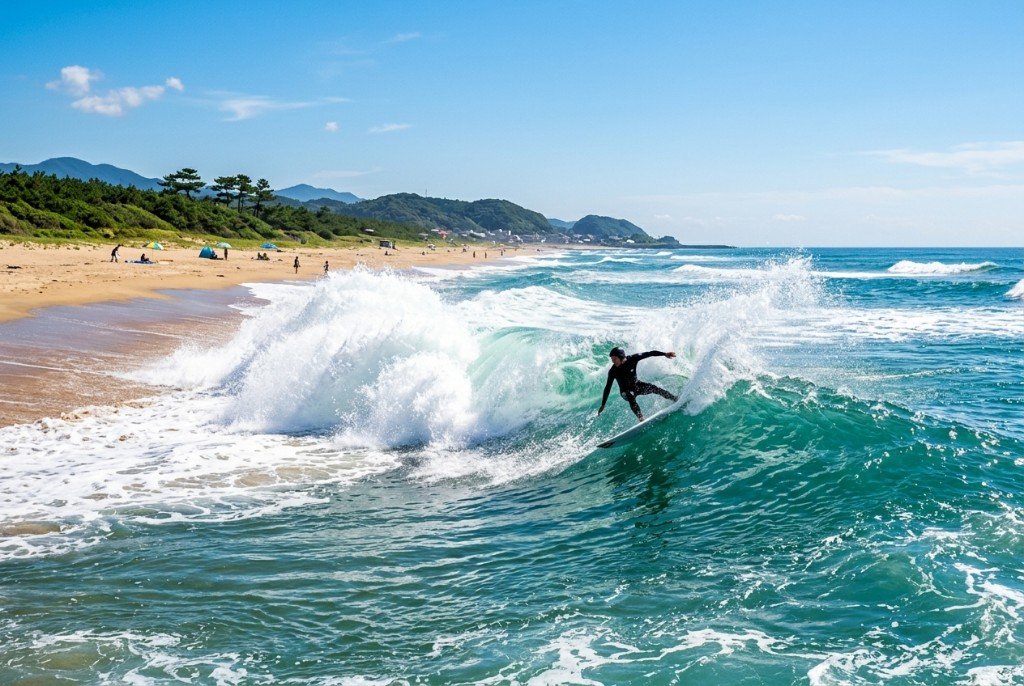
Why Shonan Is the Default Answer for a Tokyo Weekend Surf Trip
Ask any Tokyo surfer where to go for a quick weekend session and the answer is almost always the same: Shonan. This stretch of Kanagawa coastline, running roughly from Kamakura through Enoshima to Chigasaki and Hiratsuka, has become the default shonan surf tokyo weekend beginner destination for a simple reason — it is the only surf-capable coastline you can reach from central Tokyo in under an hour without a car. For someone who works in Shibuya or Shinjuku on Friday and wants sand between their toes by Saturday morning, Shonan is not just convenient, it is the only realistic option that doesn't eat your entire weekend in transit.
The waves here are not world-class. They are inconsistent, often mushy, and heavily crowded on weekend mornings. But that is precisely what makes Shonan the right classroom for a beginner. The swells rarely get big enough to be dangerous, the water is warm from June through October, and the beach breaks at spots like Kugenuma, Chigasaki, and Shichirigahama are forgiving on wipeouts. This guide walks through what a first-timer coming from Tokyo actually needs — the trains, the shops, the etiquette, and the realistic expectations — so your first weekend in the water is fun rather than frustrating.
From Fishing Village to Surf Culture: How Shonan Became Japan's Surfing Heartland
Shonan's relationship with the ocean predates surfing by centuries. Villages like Kamakura and Chigasaki were fishing and shipping communities long before anyone thought to stand on a board, and that maritime rhythm — reading tides, respecting the sea's moods — is baked into the local culture. Surfing itself arrived in Japan in the late 1960s and early 1970s, carried in partly by American servicemen and partly by Japanese surfers who had traveled to Hawaii and California. Shonan's proximity to Tokyo and Yokohama made it the natural landing point, and by the 1980s it had become inseparable from a certain strand of Japanese pop culture — surf rock bands, beach films, and the "Shonan boy" image of laid-back coastal youth cruising the coast road in a beat-up car with a board strapped to the roof.
That cultural weight still shapes the vibe today. Local surf shops in Chigasaki and Kamakura are often run by second-generation owners whose fathers were among the first wave of Japanese surfers, and the etiquette codes on the water — deferring to locals, respecting the lineup order, not dropping in — trace directly back to that founding generation. Enoshima, the small island at the center of the bay, even hosted Olympic sailing in 1964 and surfing-adjacent events during the Tokyo 2020 Games, cementing Shonan's status as Japan's most recognized coastal sports region. Surfing here is not an imported novelty; it is a genuine regional identity, and beginners who show basic respect for that history tend to get a warmer welcome in the water.
Getting There, Getting Geared Up, and Getting in the Water: A Practical Weekend Plan
Getting to Shonan from Tokyo. The Odakyu Enoshima Line and JR Shonan-Shinjuku Line are your two main options. From Shinjuku, the Odakyu Romancecar to Katase-Enoshima Station takes about 70 minutes and drops you within walking distance of several beginner-friendly beaches. Alternatively, take the JR Tokaido Line from Tokyo Station to Chigasaki Station (about 60 minutes), which puts you near Southern Beach Chigasaki, one of the most popular learning spots. Both routes cost under 1,500 yen one-way and run frequently, making a shonan surf tokyo weekend beginner day trip entirely doable without a car.
Choosing your beach. For first-timers, three spots stand out:
- Kugenuma Kaigan (near Fujisawa) — gentle, consistent beach break, close to Enoshima, lots of surf schools.
- Chigasaki Southern Beach — wide sandy beach, good for lessons, easy JR access, plenty of board rental shops along the coast road (Route 134).
- Shichirigahama — scenic views of Enoshima and Mt. Fuji on clear days, slightly more advanced but still workable for confident beginners with an instructor.
Renting gear and booking a lesson. You do not need to own a board or wetsuit for your first sessions. Rental shops cluster along Route 134 near Chigasaki and Kugenuma, typically charging 3,000–5,000 yen for a half-day soft-top board and wetsuit rental. Most shops offer English-friendly staff during peak summer season given the Tokyo weekend crowd. Booking a two-hour beginner lesson (around 6,000–8,000 yen including gear) is strongly recommended for your first one or two trips — instructors will get you standing up faster and teach you to read the shore break, which is the single hardest skill to self-teach.
Timing your session. Early morning (6:00–9:00 AM) offers the calmest wind conditions and thinnest crowds, which matters because Shonan gets genuinely packed on summer weekends. Check a Japanese surf forecast site or app (Nami-Nami and Surfline both cover Shonan spots) the night before — wind direction matters more than wave height for a beginner's comfort. Offshore or light onshore wind in the morning is ideal; strong onshore afternoon wind turns the break choppy and harder to learn in.
Practical logistics. Bring cash — many smaller rental shops and beachside food stalls don't take cards. Coin-operated showers (100–200 yen) are available at most beach access points for rinsing off saltwater before the train ride home. If you're staying overnight, Chigasaki and Kamakura both have reasonably priced business hotels and guesthouses within walking distance of the coast, letting you catch a dawn session on day two before heading back to Tokyo by early afternoon.
What Local Instructors and Longtime Surfers Wish Beginners Knew
Talk to any surf school instructor along the Chigasaki coast road and you'll hear a few pieces of advice repeated constantly. First: don't obsess over wave size. Shonan's swells are usually small (waist-to-chest high) compared to Japan's Pacific-facing prefectures like Chiba or Shizuoka, and that is a feature, not a bug, for someone still learning to pop up. Trying to chase bigger days elsewhere before you've mastered paddling and balance here is the most common way beginners set themselves back with fear or injury.
Second, respect the lineup. Shonan beaches, especially on weekends, get crowded with a mix of locals, longtime Tokyo commuter-surfers, and school groups. Local etiquette expects beginners to stay closer to shore in the whitewash zone rather than paddling out to where experienced surfers are catching the shoulder of the wave. Dropping in on someone else's wave, even accidentally, is the fastest way to sour the mood in the water — instructors recommend beginners fish for their own peak away from the main pack until they're confident judging right-of-way.
Third, plan around jellyfish and typhoon season. Late July through September brings jellyfish blooms to parts of Shonan, and local shops post warning flags; wearing a rash guard or thin wetsuit top even in summer heat is common practice. Typhoon season (August–October) can also produce dangerously powerful shore breaks even on otherwise sunny days — always check the flag system on the beach (red flags mean no swimming/surfing) rather than judging conditions purely by eye.
Finally, veteran Tokyo-based surfers consistently recommend building a "two-tide" habit: check both the morning and afternoon tide charts before you commit to a beach, since some Shonan breaks work far better at mid-to-high tide and turn into flat, rocky disappointments at low tide. A five-minute check on a tide app the night before saves an entire wasted session.
Bringing It Home: Making Shonan Your Regular Weekend Reset
Shonan works as a beginner's classroom precisely because it removes the excuses — the train ride is short, the rental shops are everywhere, the waves are small enough to be non-intimidating, and there's a genuine, decades-deep surf culture ready to absorb newcomers who show basic respect. A shonan surf tokyo weekend beginner trip doesn't require owning gear, booking months ahead, or even much surfing knowledge going in; it requires an early train, a booked lesson for your first outing or two, and a willingness to spend a few sessions just learning to read whitewash before you chase real waves.
Once you've got a few sessions under your belt, Shonan becomes less of a destination and more of a rhythm — a Saturday-morning reset that swaps Tokyo's density for salt air, grilled seafood at a beachside stall, and the quiet satisfaction of catching one clean wave all the way to shore. Pair it with a walk around Enoshima or a bowl of fresh shirasu-don afterward, and you've built a full weekend escape that starts and ends within a single Tokyo train fare. Few coastlines in the world offer that kind of low-friction access to the ocean — Shonan's real appeal for a beginner isn't the surf quality, it's how easy it makes saying yes to trying.
Was this page helpful?
Your feedback helps us improve our guides