
The Ski + Onsen Combo: How to Plan a Japan Day Trip Without Wasting Lift Hours
📅 2026-09-13
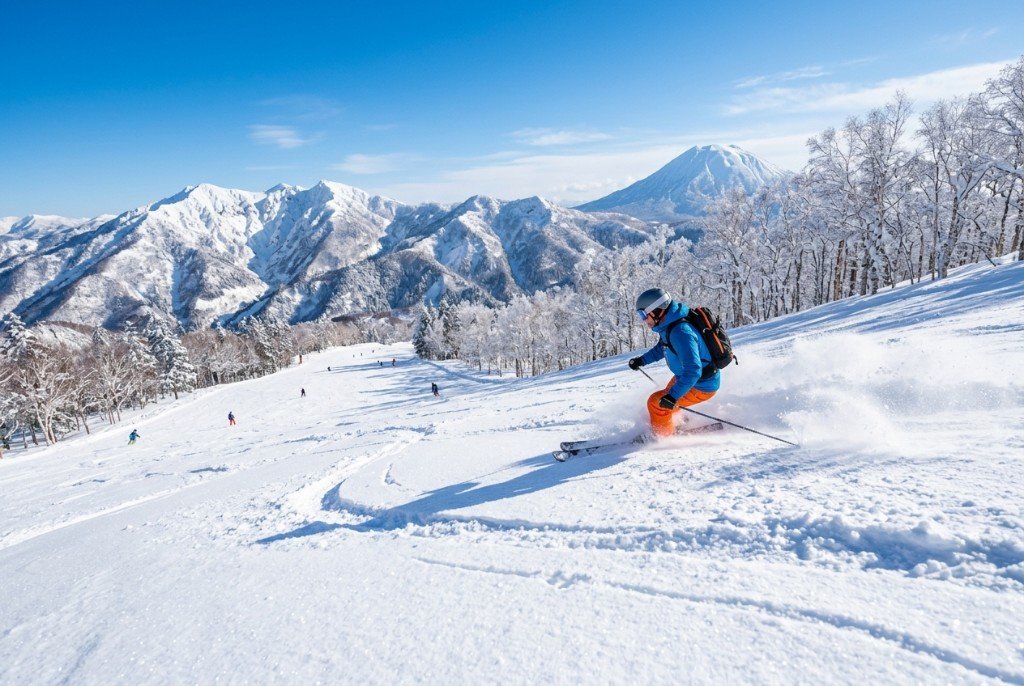
Why Every Minute on the Mountain Matters More Than You Think
There is a particular kind of heartbreak familiar to anyone who has driven three hours to a Japanese ski resort, paid for a full-day lift pass, and then watched half the afternoon evaporate because the onsen "closed early for cleaning" or the shuttle back to the village only ran once an hour. A ski onsen combo Japan day plan sounds simple in theory — ski hard, soak hard, repeat — but the logistics of Japanese resort towns, many of which were built around hot spring villages centuries before a single chairlift existed, mean that timing is everything. Get it wrong and you lose either your legs to the cold or your lift hours to a queue at the bath house. Get it right and you experience one of the most complete outdoor days available anywhere in the world: fresh powder in the morning, a mineral-rich soak at altitude by early evening, and dinner in a town that has been catering to exhausted travelers since the Edo period.
This guide is built for skiers and snowboarders who treat the onsen not as an afterthought but as a genuine second act of the day — one that requires its own strategy. Japan's ski regions, from Niseko in Hokkaido to Nozawa Onsen and Shiga Kogen in Nagano, and Zao Onsen in Yamagata, are almost all built directly atop or beside natural hot springs. That proximity is a gift, but it is also a trap for travelers who assume they can simply wander in whenever they feel like it. Bath houses have opening windows, cleaning breaks, gender-separated hours, tattoo policies, and — critically — last-entry times that arrive far earlier than most tourists expect. Understanding the rhythm of these towns is the difference between a day that flows and a day that fights you.
A Legacy Written in Wood and Steam: Why Onsens and Ski Slopes Share the Same Mountains
The pairing of skiing and onsen bathing in Japan is not a modern tourism gimmick; it is closer to a geological coincidence with centuries of cultural reinforcement behind it. Japan sits on the Pacific Ring of Fire, and its volcanic terrain produces both the steep, snow-loaded mountains prized by skiers and the mineral-rich hot springs that bubble up nearby. Long before ski lifts existed, villages like Nozawa Onsen, Zao Onsen, and Kusatsu grew around communal bathing culture, with public bathhouses (sotoyu) serving as the social and spiritual center of daily life. Farmers, foresters, and travelers used these waters to recover from physically demanding work in harsh mountain winters — the same recovery function skiers now seek after a day of moguls and powder runs.
When Japan's ski industry expanded rapidly in the postwar decades and again during the 1980s economic boom, resorts were deliberately built into or beside these existing onsen towns rather than in isolated, purpose-built ski villages like many in the Alps. This is why a town like Nozawa Onsen has thirteen free public bathhouses scattered through its narrow streets, each with its own micro-community of regular users, and why Zao Onsen's rotenburo (open-air baths) sit within walking distance of the ropeway base. The result is a cultural expectation, still honored today, that bathing after skiing is not indulgence but restoration — a practice woven into the region's identity long before "wellness travel" became a marketing term. Respecting the local etiquette around these baths (washing thoroughly before entering, no swimwear in most traditional baths, tattoo coverage or tattoo-friendly bath selection) is part of participating in that continuity, not just following rules for tourists.
Building the Day: A Practical Ski Onsen Combo Japan Day Plan
The core problem with wasted lift hours is almost always sequencing, not laziness. Here is a structure that protects your ski time while still delivering a proper onsen finish.
Start lifts at opening, not after breakfast. Most Japanese resorts open lifts between 8:00 and 8:30 am. Eat a light breakfast at your accommodation before that time or grab something portable — resort-town cafes rarely open before lift time anyway. The first two hours after opening are consistently the best snow conditions and shortest lines, especially on powder mornings in Hokkaido or after overnight dumps in Nagano's higher-elevation resorts like Shiga Kogen.
Ski through lunch in shifts, not as a full stop. Rather than a sit-down lunch that burns 60–90 minutes of lift-accessible time, eat a fast bowl of ramen or curry at an on-mountain restaurant, then keep skiing. Save the leisurely meal for after your onsen, when your body actually wants to sit still.
Plan your last run to end near — not at — the bath house you want. Many onsen towns have multiple bathing options at different distances from the lift base. Check the walking distance from your last chairlift to your chosen bath before you start the day, and build your final descent so you finish close to it rather than needing a shuttle transfer while still in ski boots.
Know the last-entry time before you plan your final runs. Public bathhouses in towns like Nozawa Onsen or Kusatsu often post a last-entry cutoff 30–60 minutes before closing, and single-user baths may require reservations that close hours in advance. Ryokan (traditional inn) private baths for day guests typically require booking by early afternoon. Confirm this the night before or first thing in the morning — do not assume you can walk in at 5:30 pm and be fine.
Separate the soak from the meal by at least 30 minutes. Onsen water is often hotter than typical hot tubs, sometimes 40–43°C, and soaking on a completely empty or completely full stomach can cause lightheadedness. Rehydrate with water, not just beer, immediately after skiing and before entering the bath.
Budget the return transfer. If your accommodation is not walking distance from both the lift base and the onsen, check shuttle schedules in advance. Many resort shuttles run on a fixed, infrequent schedule in the evening — missing one by five minutes can cost you 45 minutes standing in the cold in a bathrobe.
Where the Combo Works Best: Expert Picks and Insider Timing
Some Japanese ski regions are simply built better for this combo than others, and knowing which ones removes most of the planning friction.
Nozawa Onsen (Nagano) is arguably the gold standard. The village is compact, the thirteen free public baths (many open until 11 pm or later) are scattered directly through the walkable town center, and several sit within a few minutes of the base lifts. Ski until the lifts close around 4:30–5:00 pm, walk five minutes to Ogama or Ounsen, and you lose almost no daylight skiing time.
Zao Onsen (Yamagata) pairs a dramatic ropeway and famous "snow monster" ice-covered trees with sulfuric, milky-white rotenburo baths right at the base. The Shinzaemon-no-yu and Kawara-yu baths are close enough to the ropeway station that a full ski day and a proper soak both fit comfortably before dinner.
Kusatsu Onsen (Gunma), near the smaller Kusatsu International Ski Resort, is better suited to travelers prioritizing the onsen experience with skiing as the complement rather than the reverse — the ski area itself is modest, but the town's yumomi bathing culture and famous Yubatake hot spring field justify arriving with energy left for exploring after a shorter ski session.
Niseko (Hokkaido) requires more deliberate planning because the resort area is larger and more spread out; choose accommodation in Hirafu village specifically for its density of onsen options within walking distance, and check whether your chosen bath is tattoo-friendly, since Niseko's international clientele means policies vary more than in smaller, more traditional towns.
For any of these, a locally useful habit is asking your accommodation's front desk for that day's actual bath house hours rather than trusting printed guides — cleaning schedules and seasonal hours shift, and front desk staff know the current rotation.
Bringing It Together: A Day That Ends the Way Japanese Ski Culture Intended
The ski onsen combo Japan day plan works when you treat the onsen as a scheduled, non-negotiable part of the itinerary rather than a spontaneous decision made in tired ski boots at 4 pm. Lock in your lift-opening start, eat efficiently through the day, confirm bath hours and last-entry windows before you clip into your bindings, and choose a final run that ends near your bathing destination rather than far from it. Do this and you preserve every lift hour you paid for while still closing the day the way mountain villages across Nagano, Yamagata, Hokkaido, and Gunma have closed it for generations — sore muscles eased in mineral water, followed by a hot bowl of food in a town built for exactly this rhythm. That sequencing, more than any gear upgrade or resort choice, is what separates a good ski day in Japan from a truly great one.
Was this page helpful?
Your feedback helps us improve our guides