
Japan Ski Pass Guide: Which Lift Ticket Actually Fits Your Trip?
📅 2026-08-19
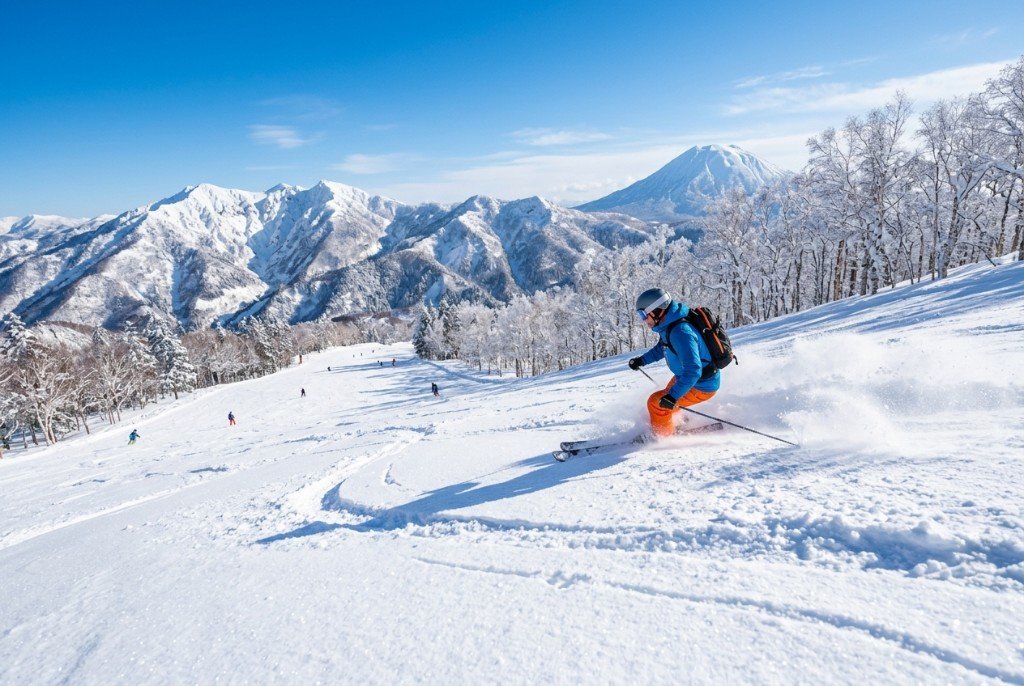
Not sure which Japan ski pass actually saves you money? Before you book lift access, it helps to know the difference between a simple day ticket, a multi-resort pass linking several mountains, and a season pass built for long stays — picking the wrong one can mean paying for access you'll never use, or missing a multi-resort deal that would have covered your whole itinerary.
Why Japan's Lift Ticket System Confuses First-Time Visitors
Skiers arriving in Japan for the first time are often surprised to learn that there is no single, unified lift ticket system covering the country's resorts. Unlike some ski destinations where one regional pass unlocks nearly everything, Japan's mountain resorts historically developed as independent businesses, each tied to a local town, onsen, or ryokan economy. That means the price and structure of a Japan ski pass can vary enormously depending on where you are, from Hokkaido's powder belt around Niseko and Rusutsu to the Japanese Alps resorts of Hakuba, Nozawa Onsen, and Shiga Kogen in Nagano, down to smaller family-run hills in Tohoku and Gifu.
For visiting skiers and snowboarders, this decentralization is both a blessing and a source of confusion. The blessing is variety: Japan has hundreds of ski areas, many still delightfully uncrowded outside a handful of internationally famous names, and pass pricing tends to be considerably cheaper than comparable lift access in Europe or North America. The confusion comes from terminology. A "day ticket" in Japan might mean a full calendar day, or it might mean a specific number of hours; a "multi-resort" pass might link two adjacent mountains connected by a single lift network, or it might be a country-spanning product usable at dozens of unrelated resorts hours apart. Understanding the basic categories — day tickets, multi-resort or area passes, and season passes — is the single most useful piece of trip-planning knowledge for anyone building a ski itinerary in Japan, whether you're chasing Hokkaido powder for a week or combining a ski trip with onsen towns, temple visits, or even a coastal detour for surf or dive culture in the shoulder seasons.
This guide walks through what each ski pass type actually includes, how the modern multi-resort pass concept took shape in Japan, and practical tips for choosing and buying the right ticket for your trip.
From Local Lift Tickets to Nationwide Multi-Resort Networks
Japan's ski industry boomed during the 1980s and early 1990s, a period sometimes called the country's ski bubble, when hundreds of resorts opened to serve a domestic market eager for winter recreation. During this era, nearly every resort sold its own day ticket and season pass independently, often through paper coupon books or region-specific plastic cards, with little coordination between neighboring mountains even when their base areas were a short drive apart.
When the bubble economy cooled through the 1990s and 2000s, many smaller resorts struggled with declining domestic visitor numbers. This period gave rise to two important shifts that shaped today's pass landscape. First, some regions began cooperating rather than competing, bundling several nearby resorts into a single access card so skiers could explore multiple mountains without buying separate tickets each day. Shiga Kogen, one of Japan's largest ski areas, is a good example: its network of connected and adjacent ski grounds has long been sold as a single combined lift ticket rather than dozens of separate ones. Hakuba Valley followed a similar path, eventually consolidating access across its cluster of resorts under shared pass products.
Second, as inbound international tourism grew through the 2010s, resort operators and ticketing companies recognized that foreign visitors wanted the flexibility to sample multiple ski areas during a single trip without repeatedly queuing at unfamiliar ticket windows. This demand accelerated the rise of nationwide and regional multi-resort pass products, RFID-based e-tickets, and online pre-purchase systems, replacing the old paper coupon tradition with tap-to-enter gates now standard at most major resorts. The result today is a layered system: hyper-local day tickets still exist at almost every hill, mid-scale multi-resort passes link geographically clustered mountains, and broader multi-resort programs allow skiers to redeem lift access at dozens of participating resorts scattered across several prefectures, often over a set number of non-consecutive days within a season.
How to Choose and Buy the Right Pass for Your Trip
Start with your itinerary shape, not the cheapest sticker price. If you're based at one resort town for your whole trip and don't plan to move around, a single-resort day ticket or that resort's own multi-day pass is usually the simplest and most economical choice. If your plan involves resort-hopping — say, a few days in Hakuba followed by a side trip to Nozawa Onsen, or sampling several Niseko-area hills — a multi-resort pass can save both money and the hassle of separate purchases.
Understand the difference between "connected" and "combined" multi-resort passes. Some multi-resort tickets, like those at Hakuba Valley or Shiga Kogen, cover resorts that are physically adjacent or lift-linked, letting you ski across boundaries in a single day on one ticket. Others, such as nationwide programs covering resorts in Hokkaido, Nagano, and Niigata simultaneously, are not physically connected at all — they simply let a single pass product be validated at multiple separate locations, often on a "use X days out of Y calendar days" basis. Read the fine print before assuming a multi-resort pass means everything is skiable in one visit.
Check whether the day ticket is a full day or a timed ticket. Many Japanese resorts sell tiered day tickets: a full-day pass, a half-day pass (often split into morning or afternoon sessions), and sometimes a night-skiing-only ticket for resorts with floodlit courses. If you're only arriving at midday, a half-day or afternoon ticket can be considerably cheaper than a full-day pass purchased late.
Buy online in advance where possible. Most major resorts and multi-resort programs now sell RFID card passes or QR-code e-tickets through official websites or apps, often at a discount versus same-day window prices, and this also avoids queues on powder mornings when ticket windows can be genuinely slow. Bring a passport for any pass that offers an inbound-visitor discount rate, as several resorts price differently for overseas guests versus domestic residents.
Factor in season passes only if your trip genuinely justifies it. A full Japan ski season pass is priced for someone spending many weeks on snow across a single winter, generally domestic residents or long-stay visitors. For a standard one-to-three-week holiday, a season pass rarely pencils out against day tickets or multi-day multi-resort products, though a handful of resorts sell short "trip passes" spanning 5–10 consecutive days that function like a mini season pass and can be worthwhile for a dedicated single-region trip.
Keep rental gear and pass logistics separate. Lift pass counters and rental shops are usually in different buildings or at least different counters; budget extra time on your first morning to sort both before you're queueing for the first lift.
Expert Recommendations for Powder Chasers and First-Timers
Seasoned Japan skiers generally recommend matching pass type to travel pace. If you're the kind of skier who wants to hit the same mountain hard for a week, chasing terrain you already know, a single-resort multi-day ticket is more cost-efficient than a broad multi-resort pass you'll barely use to its full extent. Conversely, if variety matters more than repetition — sampling Hokkaido's famously light snow at one resort, then a different tree-skiing zone the next day — a multi-resort pass earns its price quickly, especially across regions like Niseko United, which itself functions as an internal multi-resort pass linking four separate ski areas on one ticket.
A tip experienced travelers share often: check whether your chosen multi-resort pass includes shuttle bus transport between resorts, since some regional passes bundle inter-resort transit while others assume you'll rent a car or arrange your own transport. This can swing the real value of a pass considerably. It's also worth asking locally about weekday versus weekend pricing; several resorts charge less for weekday day tickets, and multi-resort passes sometimes exclude peak weekend or holiday dates from their cheaper tiers.
For travelers combining a ski trip with Japan's other outdoor seasons, note that many mountain towns popular for skiing become gateway towns for hiking and camping once the snow melts, and coastal prefectures near ski regions, such as those accessible from Niigata or Hokkaido's western coast, offer surf and scuba diving opportunities in the warmer months. Building a season-spanning relationship with a region — skiing it in winter, camping or surfing it in summer — is a rewarding way to get more value out of learning one area's transport and lodging quirks rather than treating each trip as an isolated visit.
Finally, always confirm your chosen pass's validity dates against the actual resort operating calendar. Early and late season dates sometimes have reduced terrain open, and some multi-resort passes only activate partway through December or expire before the final spring skiing weeks, which can catch visitors planning shoulder-season trips off guard.
Bringing It All Together for Your Japan Ski Trip
Choosing between a day ticket, a multi-resort pass, and a season pass ultimately comes down to how you plan to move through Japan's ski country. Day tickets suit short stays or single-resort trips and remain the most flexible, no-commitment option. Multi-resort passes reward travelers who want to explore a cluster of connected mountains or sample several separate regions without repeatedly buying new tickets, and they've become increasingly accessible thanks to RFID cards and app-based e-tickets. Season passes remain a niche but valuable option for those spending a serious chunk of winter on Japanese snow.
Whichever pass type fits your trip, the smartest move is to research the specific resort or region's current pass lineup before you fly, since pricing, structure, and inbound-visitor discounts change from season to season. With the right pass in hand, the harder decision left is simply choosing which of Japan's countless powder-filled valleys to ski first.
Was this page helpful?
Your feedback helps us improve our guides