
Surfboard and Wetsuit Rental Along Japanese Coasts: The Complete Surfer's Guide
📅 2026-09-04
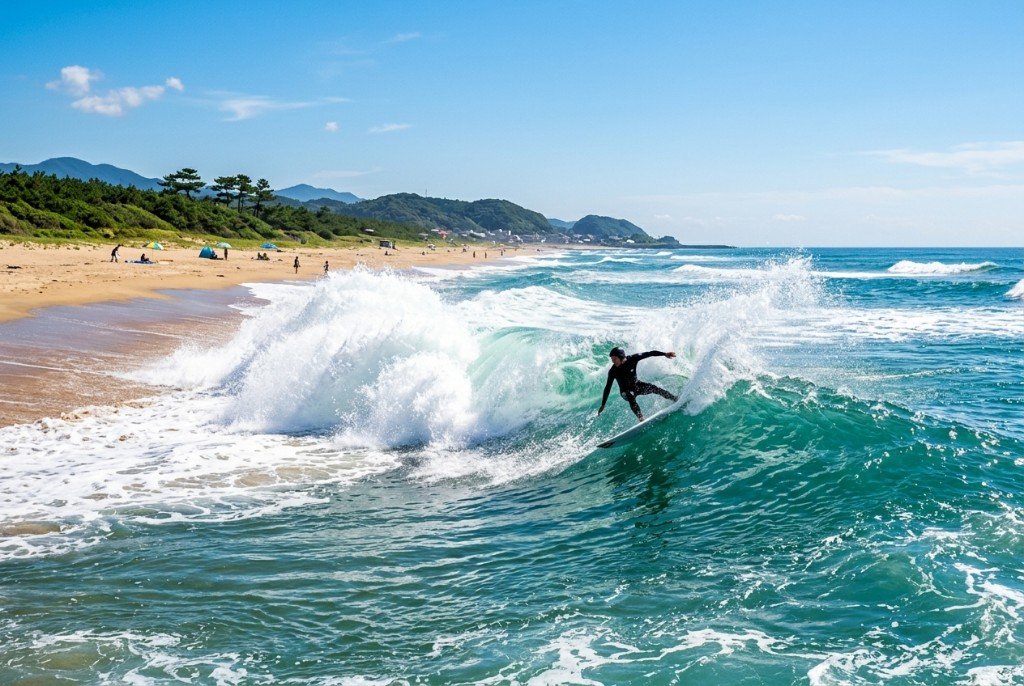
Riding Japan's Overlooked Coastline Without Checking a Board Bag
Japan rarely tops the list of dream surf destinations, yet it boasts over 29,000 kilometers of coastline and a domestic surf culture that has quietly matured into one of the most organized in Asia. From the Pacific-facing beach breaks of Shonan just outside Tokyo, to the warm-water reef and beach setups of Miyazaki and Okinawa, to the powerful winter swells hitting Shikoku and Wakayama, Japan offers a genuine four-season surf calendar. What makes it especially appealing for visiting surfers is the density and reliability of surfboard rental wetsuit Japan options near nearly every notable break. You do not need to fly with a 9-foot board bag, pay oversized-luggage fees, or gamble on airline handling. A short walk from most train stations near the coast will bring you to a surf shop stocked with boards, wetsuits, boots, and leashes ready to go the same day.
This guide exists because most English-language surf resources treat Japan as an afterthought, focusing instead on Bali, Australia, or Hawaii. But Japan's rental infrastructure is arguably more convenient than any of those places: shops are clustered near train lines, staff frequently speak workable English in tourist-heavy areas, and the culture of gear maintenance means rental equipment is usually well cared for. Whether you're a beginner wanting a single lesson-and-rental package in Chiba, an intermediate surfer chasing a typhoon swell in Shikoku, or a seasoned traveler combining surf with onsen and camping, this guide walks through the practical realities of gearing up on Japanese shores.
From Fishing Villages to Surf Towns: How Japan's Coast Became Surf Country
Surfing arrived in Japan in the late 1960s, carried largely by American servicemen and returning Japanese travelers who had encountered the sport in California and Hawaii. Early adopters gathered in Shonan, the stretch of Kanagawa coastline that had already served as Tokyo's weekend beach escape since the Meiji era. By the 1970s and 80s, Shonan had become the symbolic heart of Japanese surf culture, later immortalized in manga and anime that shaped a generation's image of beach life.
What distinguishes Japan's surf culture from many other countries is its close relationship with pre-existing coastal traditions. Many surf towns were originally fishing or ama (female pearl and shellfish diver) communities, and this heritage shows up today in the way surf shops sit alongside seafood restaurants, ryokan, and small-scale fishing harbors. In places like Chiba's Kujukuri Beach — a nearly 60-kilometer stretch of sand that hosted Olympic surfing events in 2020 — the sport has become fully integrated into local economic life, with hundreds of surf shops lining the coast road.
Japan's rental culture itself grew out of necessity and hospitality norms. Given how few Japanese apartments have storage space for a quiver of boards, and how much of the population relies on trains rather than cars, local shops developed robust rental and storage services for regular customers decades ago. Extending that same service to visiting travelers, including foreign tourists, was a natural evolution rather than a new business model, which is why rental quality and reliability tend to be high even far from major cities.
Where to Rent: Region-by-Region Practical Guidance
Shonan (Kanagawa) — the classic beginner base. Stations like Kamakura, Chigasaki, and Enoshima are lined with surf shops offering board and wetsuit rental Japan travelers can book same-day, often with no reservation needed outside peak summer weekends. Expect full-day soft-top and shortboard rentals plus wetsuit sets (spring suit or full suit depending on season) for roughly ¥3,000–¥6,000 combined. Many shops here bundle a two-hour beginner lesson with equipment for around ¥8,000–¥12,000, ideal for first-timers based in Tokyo.
Chiba (Kujukuri and Isumi) — board variety and competition-grade breaks. This is Japan's highest-density surf shop region. Because the beach break is long and consistent, shops here often stock a wider range of board volumes and wetsuit thicknesses, and many rent by multi-day packages for surfers road-tripping the coast.
Shikoku and Wakayama — for the swell chasers. Points like Ikumi in Tokushima and the reef and point breaks around Shirahama in Wakayama pick up more powerful Pacific swell and typhoon energy from late summer through autumn. Rental shops here are fewer but well-equipped, and staff can give reliable local swell and current advice — invaluable since these spots have more serious currents than the beginner beaches near Tokyo.
Miyazaki and Shikoku's warm coasts — year-round comfort. Miyazaki's Kisakihama and nearby breaks stay warm enough for a spring suit or even boardshorts through much of the year, making it popular with surfers wanting to skip thick winter neoprene entirely.
Okinawa — reef breaks and dive-surf combination trips. Because Okinawa's water rarely drops below the low 20s Celsius even in winter, wetsuit rental demand is lighter, but reef booties are essential and usually rentable alongside boards at shops near Chatan and the northern coast.
How-to basics that apply everywhere:
- Reserve ahead in July–August and around major swell forecasts; walk-ins work fine most other times.
- Bring your passport; some shops ask for ID or a refundable deposit (¥3,000–¥10,000, cash preferred).
- Wetsuit thickness by season: 3/2mm spring/summer, 4/3mm or 5/4mm with boots/gloves/hood for winter sessions in Chiba, Shonan, or northern Honshu.
- Most rental shops are a 5–15 minute walk from the nearest train station — check shop websites or call ahead, as English phone support varies.
- Board rental typically runs ¥2,000–¥4,000 per day; wetsuits ¥1,500–¥3,000; full sets with boots and leash often discounted as a bundle.
- If you're combining surf with other activities, many coastal towns near dive or ski regions (Niseko, Izu, Okinawa) run multi-sport rental counters, so ask about combined surf-and-dive gear discounts if you're staying multiple days.
Expert Recommendations for a Smoother Japan Surf Trip
Seasoned Japan surf travelers consistently recommend timing your trip around typhoon season (August–October) for the most powerful and consistent swell, while acknowledging this requires flexibility and respect for safety flags, since currents and closures can change hour to hour. Winter (December–February) delivers surprisingly clean, well-groomed swell along the Pacific side thanks to consistent north wind, but demands a thicker wetsuit and tolerance for cold air temperatures on the beach.
Renting locally rather than bringing your own board also has a cultural upside: shop staff are often the best source of unofficial local knowledge, including which peaks are working, where rip currents form, and which beaches enforce surfer-swimmer flag zones (common at Kujukuri and Shonan in summer). Building rapport with a rental shop, even over a single visit, tends to open doors to better board recommendations on return trips.
For beginners, experts suggest starting in Shonan or Chiba specifically because lifeguard presence, beginner-friendly softboards, and English-speaking staff are most concentrated there. Intermediate and advanced surfers chasing more challenging or uncrowded conditions are better served heading to Shikoku, Wakayama, or the Japan Sea coast during autumn typhoon swells, though these regions demand more self-sufficiency and local weather literacy.
Lastly, factor in Japan's broader outdoor infrastructure: many surf towns sit near camping grounds, hot spring towns, and even winter ski regions (Niigata and Chiba's northern coast are within a few hours of Nagano and Niseko), making it realistic to combine a surf morning with an onsen evening, or bookend a ski trip with a coastal surf session in the shoulder seasons.
Paddling Out With Confidence
Japan's coastline rewards travelers who look past the stereotype of a ski-and-city itinerary and take its surf culture seriously. With rental shops clustered conveniently near train stations, gear quality that reflects decades of local surf tradition, and a genuine four-season variety of breaks — from Shonan's beginner-friendly beach breaks to Miyazaki's warm points and Shikoku's powerful typhoon swell — there has never been an easier place to rent a board and wetsuit and paddle out on short notice. Plan around the season, trust local shop staff for real-time conditions, and Japan's surf coast will reward you with some of the best-organized, most welcoming surf infrastructure in Asia.
Was this page helpful?
Your feedback helps us improve our guides