
Hakuba Ski Pass Comparison 2026: Happo-One, Cortina, Tsugaike & More
📅 2026-11-23
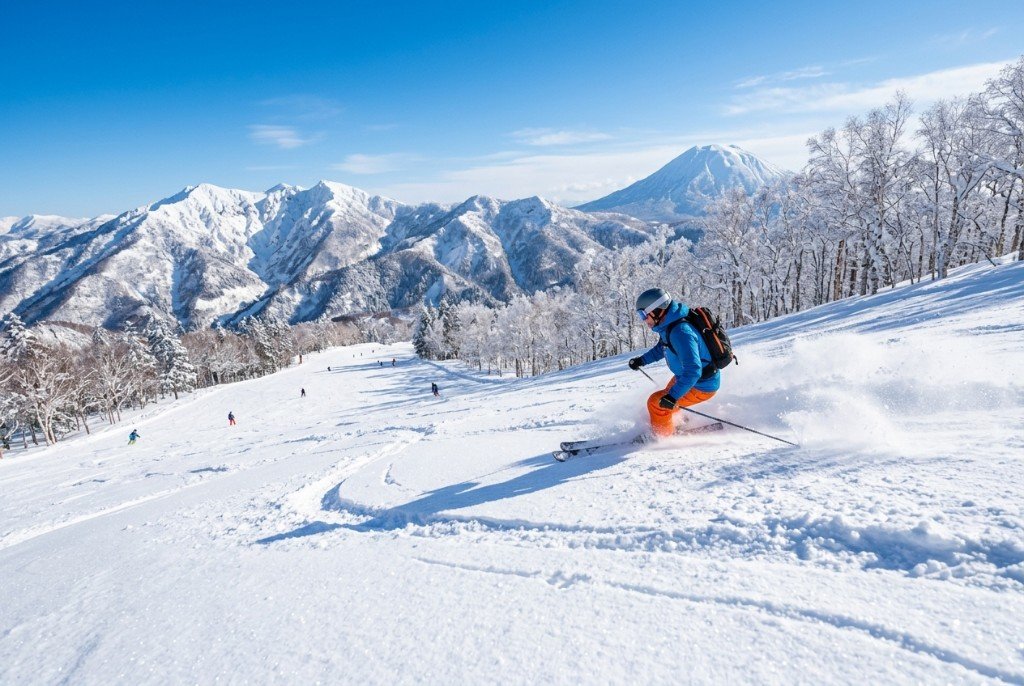
Hakuba Valley is not a single ski resort — it's a cluster of ten-plus interconnected and standalone resorts spread across a long mountain valley in Nagano Prefecture, and that geography is exactly why ski pass comparison matters so much here. Buy the wrong pass and you'll either overpay for terrain you never touch or find yourself locked out of the one lift you actually wanted. This guide breaks down how Hakuba ski passes stack up against each other so you can match the right lift tickets to the way you actually ski.
Who Hakuba's Pass Maze Is For (And Why It's Different From Other Japan Resorts)
Most single-mountain resorts in Japan — Niseko, Zao, Nozawa Onsen — sell you one pass and that's the whole decision. Hakuba Valley is structurally different: it's a federation of distinct ski areas, each historically developed by separate operators, some only connected by shuttle bus rather than lift. This matters enormously for anyone doing ski pass comparison here, because "a Hakuba lift ticket" can mean wildly different things depending on which gate you walk through.
This destination suits two very different travelers well. The first is the terrain-hungry intermediate-to-advanced skier who wants to ski a different mountain every day of a week-long trip — for them, the valley-wide multi-resort pass is close to essential. The second is the family or beginner group basing themselves at one resort for the whole trip, where a single-mountain pass at a place like Cortina Tsugaike or Norikura Highlands is cheaper and simpler, and the lift lines are shorter than at the marquee resorts.
Hakuba also carries real history that shapes how it feels on snow: Happo-One hosted the men's and women's downhill, Super-G, and combined events at the 1998 Nagano Winter Olympics, and the Olympic start gates and course markers are still visible on the mountain today. That legacy is part of why Happo-One draws the biggest international crowds and commands the most expensive standalone pass in the valley — you're partly paying for Olympic-grade steep terrain and name recognition, not just lift capacity.
Comparing the Terrain: Happo-One vs. Cortina Tsugaike vs. Norikura Highlands vs. Kashimayari
Understanding the terrain differences is the real foundation of any ski pass comparison, because the "best" pass depends entirely on what kind of skiing you want to do.
Happo-One is Hakuba's flagship and the most demanding of the group. Its upper mountain — reached via the Happo Alpen Line gondola and a series of chairlifts — delivers long, steep, Olympic-pedigree pitches with big vertical and views toward the Northern Japan Alps. It's the resort experienced skiers choose first, and it's also the busiest, with the most crowded weekend and holiday lift lines of any Hakuba resort.
Cortina Tsugaike (technically two adjacent resorts, Hakuba Cortina and Tsugaike Kogen, often sold together or on a combined pass) is famous within Japan for consistently excellent, deep powder thanks to its exposure to Sea of Japan storm systems. It has far fewer crowds than Happo-One and a gentler average pitch, making it a favorite for powder-focused intermediate skiers and for backcountry-adjacent sidecountry access — guided off-piste tours commonly launch from here.
Norikura Highlands (not to be confused with Mount Norikura near Matsumoto) is one of the valley's smaller, mellower areas — wide, groomed, consistent-pitch slopes that make it genuinely one of the better beginner and family resorts in Hakuba Valley. Lift lines are short, the vibe is quiet, and a single-resort pass here is noticeably cheaper than Happo-One's.
Kashimayari sits further from the main cluster and is known locally for long, cruiser-style groomed runs and a lower-key, less touristy atmosphere. It rarely appears on first-time visitors' radar, but it's a smart choice on powder days when you want groomed corduroy instead of fighting crowds for fresh tracks elsewhere, and its day pass is typically the most budget-friendly in this comparison.
The practical upshot for ski pass comparison: if you want one pass to access all of the above (plus other valley resorts like Goryu, Hakuba47, and Iwatake) without rebuying tickets each morning, the valley-wide multi-day/multi-resort pass pays for itself after about three to four resort-hopping days. If you're parking yourself at one mountain for a week, a single-resort pass at that specific resort is cheaper per day than the valley pass prorated.
Season and Access: When to Go and How to Get to Hakuba Valley
Hakuba's ski season typically runs from early/mid-December through late March or early April at upper elevations, with the reliable powder window concentrated from mid-December through February. January and February deliver the most consistent snowfall, particularly at Cortina Tsugaike and Tsugaike Kogen, which face directly into Sea of Japan weather systems. Late-season (March) visits favor Happo-One and Kashimayari, where higher base elevations and groomed corduroy hold spring conditions better.
Access starts from Tokyo. The most common route is Hokuriku Shinkansen (bullet train) from Tokyo Station to Nagano Station — about 80–100 minutes — followed by an express bus from Nagano Station to Hakuba, roughly 70–80 minutes depending on resort and traffic, making door-to-door travel from Tokyo around 3 to 3.5 hours. Direct overnight and daytime highway buses also run straight from Tokyo (Shinjuku/Ikebukuro) to Hakuba, taking roughly 4.5 to 5.5 hours — slower but cheaper and useful if you're arriving with ski bags and want to avoid train transfers.
If you're flying internationally, the two realistic gateway airports are Tokyo (Narita or Haneda) and, for a shorter transfer, Nagoya Chubu Centrair, from which a combination of train/bus service takes roughly 4 to 4.5 hours to Hakuba. During peak Japanese winter holidays (late December through early January) and Lunar New Year, book Shinkansen seats and buses well in advance — both sell out, and this is also when Happo-One's lift lines and lift ticket prices feel the tightest. Renting a car from Nagano gives the most flexibility for resort-hopping between Happo-One, Cortina Tsugaike, Norikura Highlands, and Kashimayari in a single day, but winter tire requirements and mountain road conditions mean it's only advisable for confident drivers experienced with snow driving.
Practical Tips: Booking Lift Tickets, Gear, Lodging, and Valley Etiquette
Booking lift tickets: Buy multi-resort or multi-day Hakuba Valley passes online in advance where possible — pricing is usually a few percent cheaper than walk-up, and it avoids queueing at ticket windows on powder mornings. If your trip is anchored at one resort, check whether that resort sells its own multi-day pass separately from the valley-wide option, since single-resort multi-day tickets are often the better value for a one-mountain stay.
Gear: Rental shops are concentrated in Hakuba's main village area (Happo and Wadano districts) and in Tsugaike, and most rent full ski/snowboard setups plus outerwear — useful if you're flying in and don't want to check oversized ski bags. If you're heading toward Cortina Tsugaike for powder days, rent or bring a helmet and goggles rated for low visibility; storm days there can produce genuine whiteout conditions.
Food and stay: Lodging options range from international-style hotels and newer boutique lodges near Happo-One to traditional Japanese ryokan with onsen (hot spring baths) scattered through the valley — soaking in an onsen after a powder day is a core part of the Hakuba experience and worth building into your evening plans rather than treating as an afterthought. Resorts further from the main village, like Kashimayari and Norikura Highlands, have fewer dining options on-site, so plan a car or shuttle if you're not staying nearby.
Etiquette: Japan ski guide basics apply across the whole valley — queue in the marked lift line rather than merging late, keep off-piste exploration to resort-sanctioned gates (ducking ropes into closed terrain is taken seriously, especially near avalanche-prone zones around Cortina Tsugaike's backcountry access points), and be mindful that lift operators often don't speak much English, so having your pass type and resort name written down or saved on your phone smooths ticket-window transactions. Finally, double-check each resort's specific policy on helmet/beacon requirements for off-piste zones before you commit to a particular pass — this varies resort by resort within Hakuba Valley and is worth confirming the same day you decide between Happo-One's steeps and the gentler runs at Norikura Highlands.
Was this page helpful?
Your feedback helps us improve our guides