
Hakuba Ski Resort: The Complete Guide to Japan's Alpine Powder Capital
📅 2026-09-30
Why Hakuba Ski Resort Stands Apart
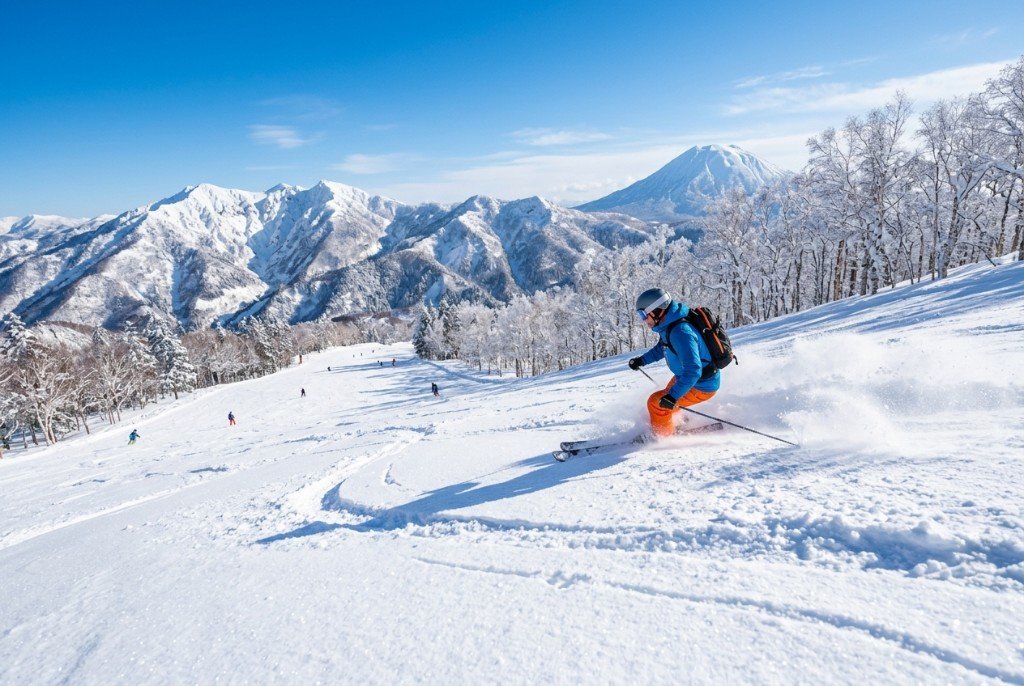
Hakuba Ski Resort isn't a single mountain — it's a valley of nine interconnected ski areas strung along the Northern Japan Alps in Nagano Prefecture, all bookable on one Hakuba Valley lift pass. That distinction matters more than it sounds. Skiers who only know Niseko often assume Japan skiing means gentle tree runs and endless cat tracks; Hakuba flips that assumption. This is the site of the 1998 Nagano Winter Olympics, and the terrain still carries that pedigree — Happo-One's downhill course drops over 1,000 vertical meters of genuinely steep, technical skiing, while Cortina and Norikura on the valley's northern end feel more like Hokkaido, with wide-open tree runs and consistently deep, dry snow.
The valley suits a wider range of skiers than most Japanese resorts because it isn't one mountain trying to be everything. Happo-One and Hakuba47/Goryu deliver steeper pitches, off-piste bowls, and a livelier après scene for intermediate-to-advanced riders. Cortina and Norikura are quieter, powder-focused, and better suited to those who want fewer crowds and more untracked snow. Iwatake, connected by gondola from the valley floor, is friendlier terrain with strong beginner and family infrastructure. Because the resorts sit apart rather than merging into one sprawling complex, you choose your day's mountain based on conditions and mood rather than being locked into whatever's directly outside your hotel door — a level of flexibility that's rare even among Japan's bigger ski regions.
The cultural backdrop adds another layer. Hakuba village retains a working mountain-town feel — onsen ryokan, soba shops, and sake breweries operate alongside the newer international lodges and Australian-run bars that sprang up after the valley's tourism boom in the 2010s. You can ski a genuine Olympic downhill course in the morning and soak in a rotenburo (outdoor hot spring bath) with a Alps view by mid-afternoon, which is a combination few ski destinations anywhere can offer.
Terrain, Snow, and How the Valley Fits Together
Understanding the layout before you arrive saves a lot of wasted transit time. The nine resorts split roughly into a southern cluster and a northern cluster, connected by the free Hakuba Valley shuttle bus (with a paid pass) and, at times, by lift or gondola links.
Southern cluster (Happo-One, Hakuba47, Goryu, Iwatake): Happo-One is the valley's flagship and the most famous name internationally, thanks to the Olympics. Its upper mountain has serious steeps and off-piste terrain accessed from the Usagidaira and Kurobishi areas, while the lower slopes are gentler and better for warm-ups. Hakuba47 and Goryu share a lift pass and a connecting gondola, forming one of the best terrain parks in Japan alongside genuinely challenging tree runs through Goryu's back bowls. Iwatake, reached by a scenic gondola ride from the valley floor, is the most beginner- and family-friendly of the group, with wide groomers and a dedicated kids' area, plus panoramic Alps views from the top station that are worth the ride even for non-skiers.
Northern cluster (Cortina, Norikura, Tsugaike, Hakuba 47's northern neighbors): Cortina and Norikura sit closer to the Japan Sea side of the weather pattern, which means they catch heavier, more consistent snowfall — often 20-30cm more per storm than the southern resorts on the same day. Cortina in particular has a cult following among powder skiers for its tree skiing and lower crowd density; it's a smaller resort with fewer lifts, so it rewards those who already know how to find the good lines rather than following marked runs. Tsugaike Kogen offers some of the widest beginner terrain in the valley alongside surprisingly good off-piste for intermediate riders willing to hike a little.
Snow quality across the valley is driven by the same Siberian weather systems that feed Niseko and Hakkoda, but Hakuba's inland position and higher average elevation (base areas sit around 700-760m, with peaks over 1,800m) give it a slightly different character — often described as marginally heavier than Niseko's famously light powder, but still far drier than most North American or European snow, and reliable enough that a week-long trip will almost always include at least one genuine powder day.
When to Go and How to Get There
Season window: The Hakuba Valley lift pass season typically runs early December through early May, but the reliable powder window is mid-December through late February. January is peak season for both snow quality and crowds — cold, dry, and consistent, but also the most expensive and busiest, especially around New Year's and school holiday periods from Australia and Asia. Late February into March brings warmer temperatures, longer daylight, and often excellent spring corn snow on the upper mountain while remaining genuinely skiable — a good window for visitors who want fewer crowds and don't mind slightly less consistent powder. Early December and April are shoulder season: cheaper lodging, thinner snow coverage, and some lifts/runs closed.
Getting there from Tokyo: The most common route is Shinkansen (bullet train) from Tokyo Station to Nagano Station (about 80-100 minutes on the Hokuriku Shinkansen), followed by a direct bus from Nagano Station to Hakuba (roughly 70-80 minutes, with services timed around train arrivals). Total door-to-door time from central Tokyo is typically 3-4 hours. Book the Nagano-Hakuba bus in advance during peak season — seats sell out around New Year's and Chinese New Year.
Direct bus option: Overnight and daytime highway buses run directly from Tokyo (Shinjuku/Shibuya) to Hakuba, taking around 5-6 hours but costing significantly less than the Shinkansen-plus-bus combination — a good option for budget travelers not pressed for time.
By car: Renting a car in Tokyo or Nagano and driving the Nagano Expressway to Hakuba takes about 3-3.5 hours from central Tokyo in good conditions, longer in snow. A car gives you freedom to explore the northern resorts and nearby onsen towns like Shirahone, but winter mountain driving requires snow tires (usually included with winter rentals) and confidence on icy roads — many first-time visitors skip this and rely on the shuttle network instead.
From Osaka/Kansai: Fly or take the Shinkansen to Nagano via Tokyo, or fly into Toyama Airport and take a direct bus to Hakuba (around 1.5 hours) — often the fastest route from western Japan or from Korea/Taiwan, since Toyama has direct flights from Seoul and other regional hubs.
Booking, Gear, and On-Mountain Etiquette
Lift passes: Buy the Hakuba Valley multi-resort pass rather than single-mountain tickets if you're staying more than two days — it covers all nine resorts and the connecting shuttle bus, and the per-day cost drops meaningfully with multi-day passes. Buying online in advance (through the official Hakuba Valley site or your accommodation) is usually cheaper than walk-up window prices, and it avoids queue time on powder mornings when everyone else has the same idea.
Where to stay: Hakuba village center (Happo area) has the highest concentration of restaurants, bars, and rental shops, and puts you within walking distance of the Happo-One base and the shuttle stops for other resorts. Staying near Hakuba47/Goryu or in the quieter Cortina/Norikura area trades convenience for closer access to specific terrain and lower prices. Book accommodation 3-4 months ahead for the January-February peak; foreign-run lodges and chalets in Hakuba fill up especially fast due to strong demand from Australian ski tourists.
Gear and rentals: Rental shops in Hakuba village are plentiful and well-stocked with powder skis, wide-waisted boards, and avalanche safety gear for backcountry access — reserve online ahead of peak weeks if you want specific equipment. If you're planning to ski off-piste or access any of the valley's sidecountry, carry a beacon, shovel, and probe, and check the daily avalanche advisory posted at resort bases; Hakuba's terrain has real avalanche risk, unlike much of gentler Niseko.
Etiquette and practical notes: Japanese ski culture values orderly lift lines and quiet chairlifts — save the loud commentary for the base lodge. Many lifts and gondolas close boundary ropes to mark off-piste zones; ducking ropes into closed terrain is taken seriously by patrol and can result in a pulled pass. Onsen (hot spring baths) are common in Hakuba lodging and nearby villages — most require full nudity and no swimwear, and visible tattoos may need covering with a waterproof patch at some traditional establishments, though many hotel-attached baths have relaxed this rule for foreign visitors. Finally, budget an extra hour of buffer when resort-hopping by shuttle during storm days — bus schedules can run behind when roads need clearing, and missing the last connection back to your lodging is a common rookie mistake in the Hakuba Valley.
Was this page helpful?
Your feedback helps us improve our guides