
How to Choose Surfing Spots: A Beginner's Guide to Japan's Best Breaks
📅 2026-10-27
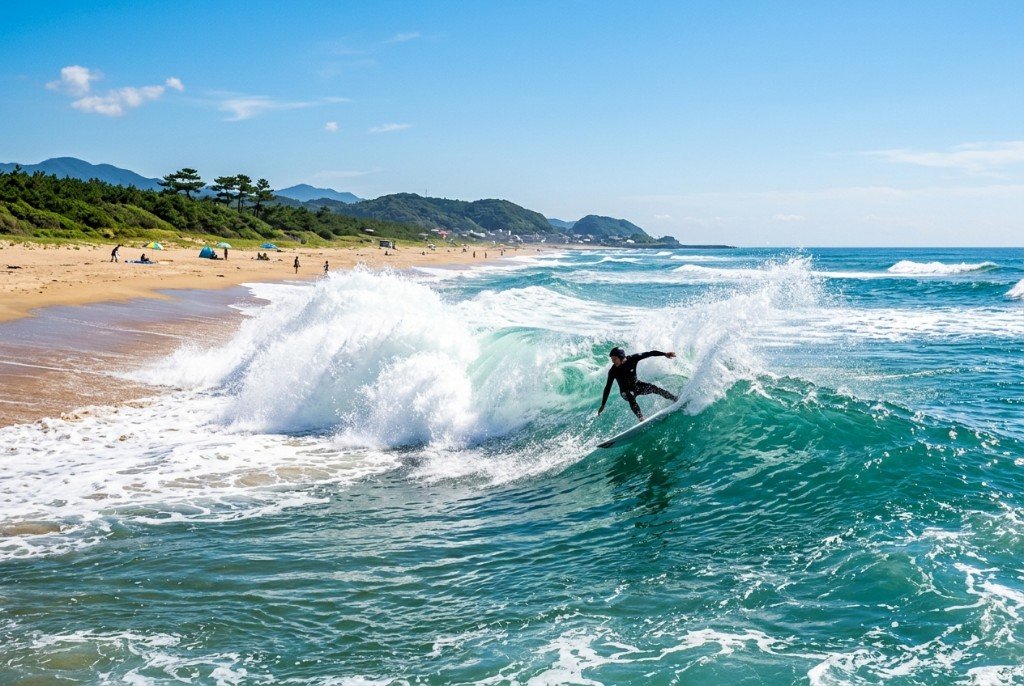
Japan has one of the most underrated surf coastlines in the world, stretching from the Pacific swell magnets of Chiba and Shonan to the typhoon-fed breaks of Miyazaki and Okinawa. But with thousands of kilometers of coast and wildly different wave conditions from one beach to the next, beginners often struggle with the most basic question: which surfing spots should I actually paddle out at? This guide walks you through a practical framework for choosing surf breaks that match your skill level, so your first weeks in the water build confidence instead of fear.
Who This Guide Is For — And Why Japan Is a Different Kind of Surf Trip
This guide is written for first-year surfers, visiting travelers who surfed a few times on a resort trip abroad, and intermediate riders who are new to Japan's specific wave patterns. If you've only surfed warm, slow reef breaks in Southeast Asia or Hawaii-style beginner zones, Japan surfing will feel different in a few important ways.
First, almost all of Japan's accessible surfing spots are beach breaks over sand, not reef or point breaks. That's good news for beginners — sand is forgiving, and the wave shape resets after storms, so a bad session doesn't mean a bad spot forever. Second, Japan's coast is shaped by a genuine four-season cycle: typhoon swell in late summer and autumn, clean groundswell in winter from distant North Pacific storms, and often flat, glassy conditions in spring and early summer. Third, surf culture here is mature and localized — many beach towns like Kamogawa, Ichinomiya (Chiba), and Shonan have surfed for over 60 years, with strong etiquette norms around lineup priority, even at beginner-friendly peaks.
Historically, surfing arrived in Japan in the 1960s through American servicemen and returning surfers who brought boards back from California and Hawaii. Chiba's Shonan and Kujukuri coastlines became the country's first surf hubs partly because of their proximity to Tokyo and partly because the long, sandy coastline produces consistent, forgiving beach breaks — exactly the kind of wave conditions beginners want. That history matters today: these towns have decades of surf school infrastructure, rental shops, and English-friendly operators built up specifically to teach newcomers, which is why they remain the default beginner surfing destination in Japan.
Reading Wave Conditions: The Core Skill Behind Choosing Surf Breaks
Choosing surf breaks isn't about finding the "best" beach — it's about matching wave conditions to your skill level. Here's the practical framework surf schools in Japan actually use when placing beginners.
Swell size and period. Check swell height (in meters) and period (in seconds) before anything else. For a first-time or early-stage surfer, look for swell under 1 meter with a period of 6–9 seconds. Longer-period swell (12+ seconds) arrives with more power and can close out quickly on Japan's steep beach breaks, which is fine for intermediate surfers but overwhelming for beginners.
Wind direction. Onshore wind (blowing from sea to land) chops up the wave face and makes it mushy and hard to read — annoying but not dangerous, and often fine for beginners learning to pop up. Offshore or cross-shore wind holds the wave face clean, which is better for learning timing, but can also make waves steeper and faster. Japanese surf forecast sites and apps (Nowcast, SeaBreeze) report this clearly; check wind before swell size if you're brand new.
Tide stage. This is the detail most beginners skip and shouldn't. Many of Japan's famous beach breaks — Shonan's Kugenuma, Chiba's Isumi coast — surf very differently at high versus low tide. Low tide often exposes sandbars that make waves punchy and shallow (harder, sometimes dangerous for beginners); mid-to-high tide usually softens the wave and lengthens the ride, which is friendlier terrain for someone still learning to stand up.
Bottom contour and crowd. A gently sloping, evenly distributed sandbar produces a soft, rolling wave — ideal. A steep, uneven bar produces fast, hollow sections that are fun for experienced surfers but punishing for beginners. Crowd density matters just as much: a beginner-friendly wave with 40 people on it is not actually beginner-friendly, because traffic and collision risk go up faster than wave quality.
Put together, your beginner checklist before paddling out anywhere in Japan is: swell under 1m, period under 9 seconds, light or onshore wind, mid-to-rising tide, and a sandbar you can see holding a consistent shape for at least 20 minutes. Surf schools in Chiba and Shonan build their beginner lesson schedules around exactly this combination.
Season and Access: When to Go and How to Get to Japan's Beginner Coast
Timing matters as much as spot selection. Japan's surf season breaks into three distinct windows:
- Early summer (June–July): Generally the calmest window, with small, clean swell and warm water. This is the best stretch for absolute beginners and is when most surf schools run their highest volume of lessons.
- Typhoon season (August–October): Larger, more powerful swell arrives from tropical systems. Exciting for intermediate-to-advanced surfers, but conditions can turn dangerous fast — strong rip currents and sudden size jumps are common. Beginners should surf only with a local instructor during this period, and always check typhoon tracking before heading out.
- Winter (December–February): Consistent groundswell from North Pacific storms, often clean and well-organized. Water temperatures drop to around 12–15°C in Chiba and Shonan, so a 4/3mm or 5/4mm wetsuit with boots and a hood becomes necessary. Winter rewards surfers with some experience reading swell, but can still work for beginners on smaller days with guidance.
Getting there from Tokyo (the main hub): Chiba's Kujukuri and Isumi coast are the most accessible beginner zones. From Tokyo Station, take the JR Sobu or Uchibo Line toward Chiba, then transfer to a local line toward Mobara or Kazusa-Ichinomiya — roughly 90 minutes to 2 hours total by train. Driving via the Higashi-Kanto Expressway cuts this to about 70–90 minutes and is worth it if you're carrying your own board, since rental boards at the beach are limited on weekends. Shonan (Kamakura, Chigasaki, Enoshima) is even closer — about 1 hour from Tokyo via the JR Shonan-Shinjuku Line or Odakyu Line — and has the densest concentration of English-speaking surf schools in the country, making it the easiest first stop for visiting beginners.
If you're coming from outside Japan, Narita and Haneda airports both connect easily to these coasts: Narita is actually closer to the Chiba surf coast (under an hour by car), while Haneda is more convenient for Shonan and central Tokyo logistics.
Practical Tips: Booking, Gear, Etiquette, and Where to Stay
Booking a lesson or rental. Book surf lessons at least 3–5 days ahead during July–August weekends, when Tokyo day-trippers fill up slots fast. Most Chiba and Shonan schools offer English-language booking through sites like Surfline Japan partners or direct shop websites; look for "beginner course" (初心者コース) specifically, since general rental without instruction assumes you already know wave conditions and lineup etiquette.
Gear for beginners. Rent a foam-top longboard (8–9 feet) rather than a shortboard — it paddles easier, catches small waves with less effort, and is simply safer in a crowd. In winter, rent a wetsuit on-site rather than packing your own; nearly every beach town near Tokyo has board and wetsuit rental within walking distance of the sand.
Etiquette in the lineup. Japan's surf community values quiet respect for local hierarchy and wave priority. Always wait your turn, apologize (a small bow or "sumimasen" works) if you drop in on someone by accident, and never paddle straight through a crowded peak to the outside. Local surfers are generally welcoming to visible beginners taking lessons, but less patient with experienced-looking surfers who ignore priority.
Food and stay. Beach towns like Kamogawa and Ichinomiya have simple minshuku (family-run inns) and surf hostels priced well below Tokyo rates, often including board storage and outdoor showers. After a session, look for the local michi-no-eki (roadside market) for fresh seafood donburi — Chiba's coast is known for its seafood alongside its waves, a combination that makes the surf-town detour worth it even on a flat day.
With this framework — checking swell size, period, wind, and tide before you even look at a map — you'll be able to walk up to almost any beach break in Japan and make an informed call on whether it's right for your current skill level, rather than guessing based on a spot's reputation alone.
Was this page helpful?
Your feedback helps us improve our guides