
Niseko Hanazono Lift Pass Comparison: Which Pass Actually Saves You Money
📅 2026-11-23
Why Hanazono Deserves Its Own Pass Conversation
Most visitors land in Niseko assuming there's one ticket window and one price. In reality, the Niseko United area is stitched together from four separately managed resorts — Hanazono, Grand Hirafu, Niseko Village, and Annupuri — each historically run by different operators before they linked lift access under one umbrella. Hanazono sits at the eastern edge of that chain, closest to New Chitose Airport-bound traffic and the quieter Hanazono Village base, and it has carved out its own identity: tree runs through Strobe Light and Jumbo courses, a terrain park operator (Hanazono Zip Line & Park) that runs independently of the ski lift company, and a noticeably younger, more freeride-oriented crowd than the Australia-heavy apartment blocks around Grand Hirafu.
That matters for your wallet. Because Hanazono technically operates its own lift company within the Niseko United network, there is a genuine Hanazono lift pass option that's cheaper than the full joint pass if you only plan to ski this sector. Understanding this ski pass comparison before you arrive is the single biggest lever for controlling your trip budget — the gap between the cheapest and most expensive valid options for a one-week trip can run into tens of thousands of yen per person.
This guide is for first-time Niseko visitors trying to decide whether to buy the all-mountain pass or stick to Hanazono, intermediate-to-advanced riders who want to understand what each pricing tier actually unlocks, and budget travelers comparing day pass rates against multi-day bundles before they commit.
Conditions: What You're Actually Paying to Access
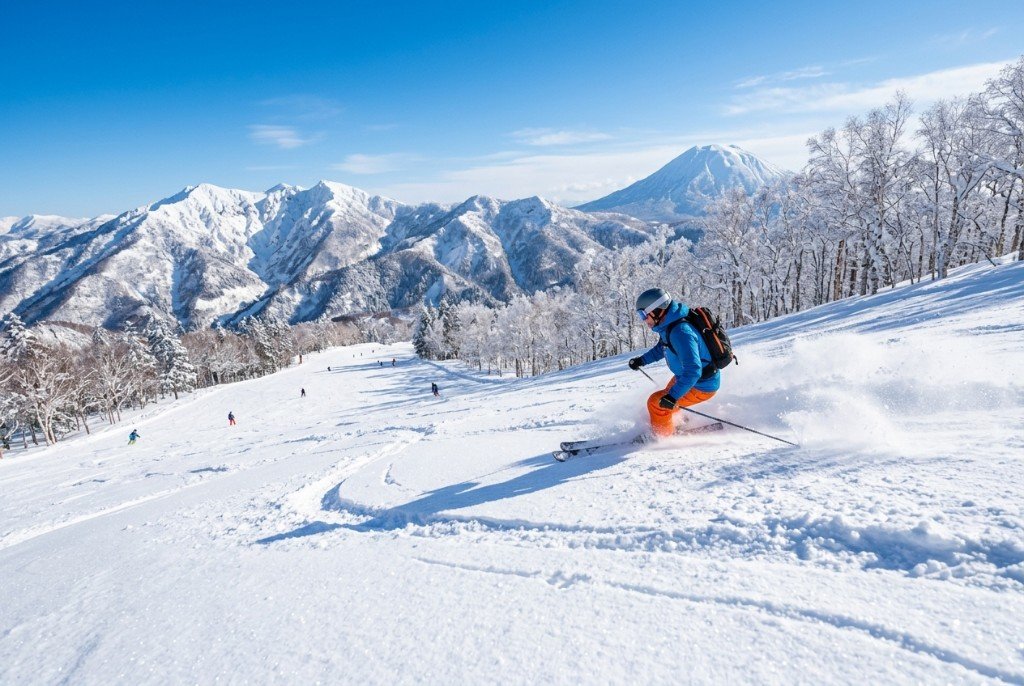
Hanazono's lift network feeds a mix of groomed cruisers low down and genuinely technical tree skiing higher up, which is why the area attracts a disproportionate number of advanced skiers and snowboarders relative to its size. The sector connects via lift and a short cat-track to Grand Hirafu, so even a Hanazono-only pass gives you meaningful lateral mobility — but it does not open the gates into Niseko Village or Annupuri terrain, which sit further west and require the full joint ticket.
Snow quality is the area's main selling point and the reason the pass math gets complicated: Niseko's position downwind of the Sea of Japan means Siberian cold fronts dump consistent, low-density powder through most of the season, and Hanazono's north-facing exposure holds that snow longer into the afternoon than the more south-facing slopes near Hirafu. If your trip is built around powder days rather than piste mileage, a Hanazono-focused pass covers the terrain that matters most and you can skip paying for resorts you won't realistically reach before the lifts close at 4-5pm given Japan's short winter daylight.
The historical layer here is worth knowing: "Niseko" derives from an Ainu-language place name, and the broader area was a quiet agricultural and hot-spring region until Australian ski tourism operators began investing heavily in the 2000s, transforming Hirafu in particular into a high-rise apartment district. Hanazono deliberately kept a lower-density footprint, which is part of why locals and repeat visitors often describe it as "the Niseko before Niseko" — fewer crowds at the lift queue, but also fewer restaurants and bars within walking distance, which should factor into your access planning below.
Season and Access: When to Go and How to Get There
The Niseko season typically runs late November through early April, with the reliable powder window concentrated from mid-December through February. Early season (late November to mid-December) often has thinner base coverage on Hanazono's lower runs, so pricing options for early-bird passes can look like a bargain but come with real terrain limitations — check the lift status board before buying anything non-refundable in this window. March brings warmer, heavier snow and shorter lift lines, which is when day pass rates are often discounted as a shoulder-season incentive.
Access starts at New Chitose Airport (CTS), roughly 2.5–3 hours from Niseko by road or a combination of train and bus. The most common routes:
- Direct airport shuttle bus: Private operators run scheduled buses from New Chitose straight to Hanazono and the other Niseko base areas, taking about 3 hours depending on snow conditions on Route 230/276. Book these in advance during peak Christmas/New Year and late-January weeks — they sell out.
- Train + bus: Take the JR rapid train from New Chitose to Otaru or Kutchan Station, then transfer to a local shuttle bus into Hanazono. This is cheaper but adds transfer time and luggage handling at each stop.
- Rental car: Gives you flexibility to bounce between Hanazono and the other three Niseko United resorts without relying on the inter-resort shuttle schedule, but winter driving in Hokkaido requires studded or winter tires (standard on rentals) and comfort with snow-covered mountain roads.
If your itinerary is Hanazono-first with maybe one or two days exploring Niseko Village or Annupuri, flying into New Chitose and taking a direct shuttle is the simplest option. If you're combining Niseko with Sapporo city time, routing through Sapporo Station by train first and bussing in from there adds flexibility at a modest time cost.
Pass Pricing Options and Day Pass Rates: The Real Comparison
Here's the practical ski pass comparison that actually drives your decision:
Hanazono-only day pass: The cheapest single-day option if you're staying within the Hanazono sector. Day pass rates here run lower than the joint ticket, and this is the right call if you're on a short trip, staying in Hanazono Village accommodation, or primarily interested in the terrain park and tree runs rather than resort-hopping.
Niseko United all-mountain pass: Covers Hanazono, Grand Hirafu, Niseko Village, and Annupuri on a single lift ticket. The per-day price is higher than the Hanazono-only pass, but if you're staying more than 2-3 days, the ability to chase conditions across all four resorts (useful when wind holds lifts on one side of the mountain but not another) usually justifies the premium. This is the better pricing option for any trip of 4+ days.
Multi-day and non-consecutive-day passes: Both Hanazono and the Niseko United pass offer multi-day bundles at a modest per-day discount over buying individual day passes. Non-consecutive packages (e.g., 5 days usable within a 10-day window) are worth it if you're planning rest days or splitting time between skiing and onsen/town days — common on longer Hokkaido trips.
Season passes: Only worth it for repeat visitors spending 10+ days on snow across a single winter; the breakeven point against day pass rates is usually somewhere around 8-12 ski days depending on the season's pricing.
Booking tips: buy online in advance where possible — on-mountain ticket windows charge a premium and queues on powder mornings can eat 30+ minutes of lift time. Check whether your accommodation bundles a lift pass discount; many Hanazono Village and Hirafu lodges negotiate group rates with the lift company. If you're unsure which sector you'll favor, a single Hanazono day pass on arrival day, upgraded to the Niseko United pass once you've scouted conditions, is a low-risk way to avoid overpaying for terrain you won't use.
On etiquette and logistics: Hokkaido powder days get crowded fast once word spreads, so first-lift queueing is normal and expected — arrive 20-30 minutes before opening on forecasted powder mornings. Most restaurants and gear rental shops in Hanazono are smaller and more spread out than Hirafu's dense strip, so book dinner reservations ahead on weekends, and rent skis/boards the evening before rather than morning-of to avoid losing powder time standing in a rental queue.
Was this page helpful?
Your feedback helps us improve our guides