
Niseko Hanazono Ski Resort: The Complete Guide & Terrain Comparison
📅 2026-11-23
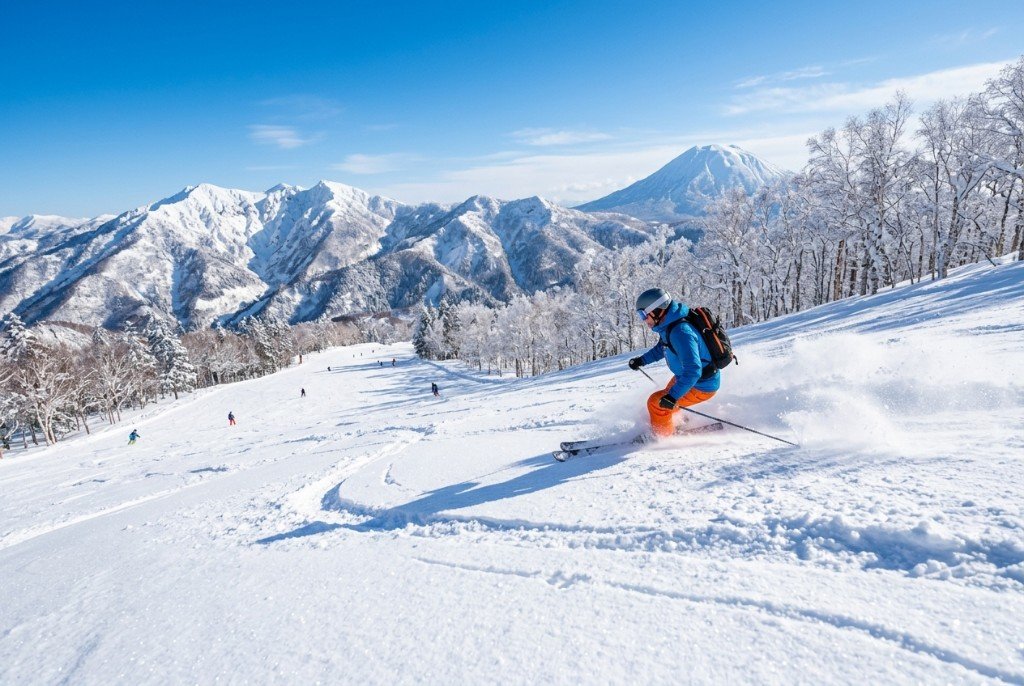
Why Hanazono Stands Apart on Niseko's Mountain
Niseko United is really four linked ski areas sharing one volcano—Mt. Niseko Annupuri—and Hanazono occupies the eastern flank closest to the gondola base that connects seamlessly into Grand Hirafu. What sets the Niseko Hanazono ski resort apart from its neighbors isn't size; it's the combination of a dedicated beginner-friendly learning zone, a world-class terrain park built by the same crew behind Olympic halfpipes, and tree runs that catch some of the lightest powder snow on the mountain thanks to their exposure to Siberian storm systems rolling off the Sea of Japan.
Hanazono was developed later than Hirafu, which historically grew around onsen (hot spring) inns serving domestic travelers since the early 20th century. Hanazono's more recent, purpose-built development means wider, less congested base facilities, newer high-speed lifts, and a layout designed from the ground up for families and first-timers rather than retrofitted onto an old onsen town. That history matters practically: Hirafu still carries the atmosphere of a traditional hot spring village with narrow streets and izakaya, while Hanazono feels more like a modern alpine village, with the Hilton Niseko Village and newer condo-style accommodations clustered near the lifts.
This guide is for skiers and snowboarders comparing the four Niseko zones—Hanazono, Grand Hirafu, Niseko Village, and Annupuri—and deciding where to base themselves, plus for anyone weighing whether Hanazono's slower, family-oriented pace suits their trip better than Hirafu's nightlife-driven energy.
Terrain Comparison: Slopes, Parks, and Powder Snow Across Niseko United
The four zones share a single all-mountain lift ticket, so understanding the terrain comparison between them is more about where you start your day than where you're locked in.
Hanazono terrain: Predominantly beginner and intermediate groomed runs near the base, widening into excellent tree skiing (the "Strawberry Fields" and gated backcountry access points) higher up. Hanazono's two terrain parks—including a dedicated beginner park—are consistently rated among the best-maintained in Japan, with features rebuilt nightly during the season. If you're chasing deep powder snow in the trees without the crowds that build up around Hirafu's King gondola, Hanazono's gates onto Mt. Niseko Annupuri's backside are a major draw.
Grand Hirafu: The largest and busiest zone, with the most varied terrain—from gentle beginner slopes at the base to steep pitches and the famous Hanazono/Hirafu gate access to Niseko's legendary backcountry powder bowls. Hirafu has more restaurants, bars, and ski-in/ski-out lodging density than any other zone.
Niseko Village: Home to the Niseko Village Ski Resort and the groomed cruisers favored by intermediate skiers; quieter than Hirafu, with fewer tree-run gates than Hanazono.
Annupuri: The smallest and least crowded zone, good for a change-of-pace day, with mellow groomers and shorter lift lines.
For pure beginner-friendly conditions, Hanazono edges out the others: its bottom-of-mountain layout keeps first-timers away from through-traffic from advanced skiers heading to backcountry gates, and ski school meeting points are centralized rather than scattered. For powder snow volume, all four zones receive the same storms—Niseko's roughly 15 meters of annual snowfall is remarkably consistent across the mountain—but Hanazono's tree runs hold snow quality longer into the afternoon because of their northeast aspect and shade.
Season and Access: When to Go and How to Get There
Niseko's ski season generally runs from late November through early April, with the heart of the powder snow season landing mid-December through February. January and February deliver the most reliable, driest powder—often called "Japow"—as Siberian cold fronts cross the Sea of Japan and dump moisture-heavy snow that becomes famously light by the time it reaches Hokkaido's inland mountains. Late November and early December offer lower prices and thinner crowds but a less consistent base; March brings warmer, heavier spring snow and long sunny days, good for terrain park laps at Hanazono before lifts close.
From Sapporo / New Chitose Airport (the real regional hub): New Chitose Airport is the entry point for nearly all international and domestic visitors. From there:
- Private transfer or shared shuttle bus: roughly 2.5–3 hours directly to Hanazono, with several operators running fixed-schedule buses in winter that drop directly at Hanazono's accommodations.
- Train + bus: Take the JR rapid train from New Chitose Airport to Otaru or Kutchan Station (around 2–2.5 hours with a transfer in Sapporo), then a local bus or taxi (15–20 minutes) to Hanazono.
- Rental car: About 2 hours from the airport via the Doou Expressway and Route 5, useful if you plan to day-trip to other zones or nearby towns, though winter driving requires studded tires or chains and confidence on snow-covered roads—many first-time visitors skip this option.
Sapporo itself, Hokkaido's main city, sits about 1.5–2 hours from Hanazono by car or train, and is worth a day for travelers wanting a city contrast to the mountain village.
Practical Tips: Booking, Gear, Accommodations, and Etiquette
Booking: Reserve accommodations and lift passes well ahead for the January peak, especially around the Australian and Lunar New Year school holidays when Hanazono's Australian-influenced resort culture (a legacy of Australian investors and skiers who "discovered" Niseko's powder in the 1990s–2000s and built much of today's international infrastructure) fills rooms fast. Hanazono's accommodations range from the Hilton Niseko Village and Yu Kiroro-style ski-in/ski-out condos to smaller family-run pensions; book directly through the resort for the best gondola-adjacent options, since third-party listings often sit a shuttle ride away.
Gear: Pack or rent layered thermal wear, goggles rated for low-light tree skiing, and waterproof gloves—Niseko's powder snow is dry but temperatures can drop below -10°C. Rental shops at the Hanazono base and in central Hirafu offer same-day fitting; renting locally avoids checked-baggage fees and lets you demo powder-specific skis or boards suited to the deep, light snow.
Ski facilities: Hanazono's base area includes ski school desks, equipment rental, lockers, and a dedicated kids' zone with magic-carpet lifts—useful for mixed-ability families splitting up for the day. Multilingual instruction (English, Mandarin, Japanese) is standard given Niseko's heavily international clientele.
Etiquette: Queue in marked lift lines rather than merging late, yield to downhill skiers, and respect gate closures around backcountry access points—ski patrol actively enforces these after avalanche warnings. Many visitors are unaware the land carries Ainu indigenous heritage; local tourism boards increasingly include short cultural notes on Ainu place names (Niseko itself derives from an Ainu word) in resort literature, which adds useful context to the mountain's history beyond its ski-resort era.
Food and après: Hanazono has fewer restaurants than Hirafu's main strip, so many visitors base in Hanazono for quiet mornings and shuttle into Hirafu for dinner and nightlife—a split-stay strategy worth factoring into your accommodations choice if you want both beginner-friendly slopes by day and lively izakaya by night.
Was this page helpful?
Your feedback helps us improve our guides