
Okinawa Diving Season Complete Guide: When, Where, and How to Dive Japan's Coral Frontier
📅 2026-11-23
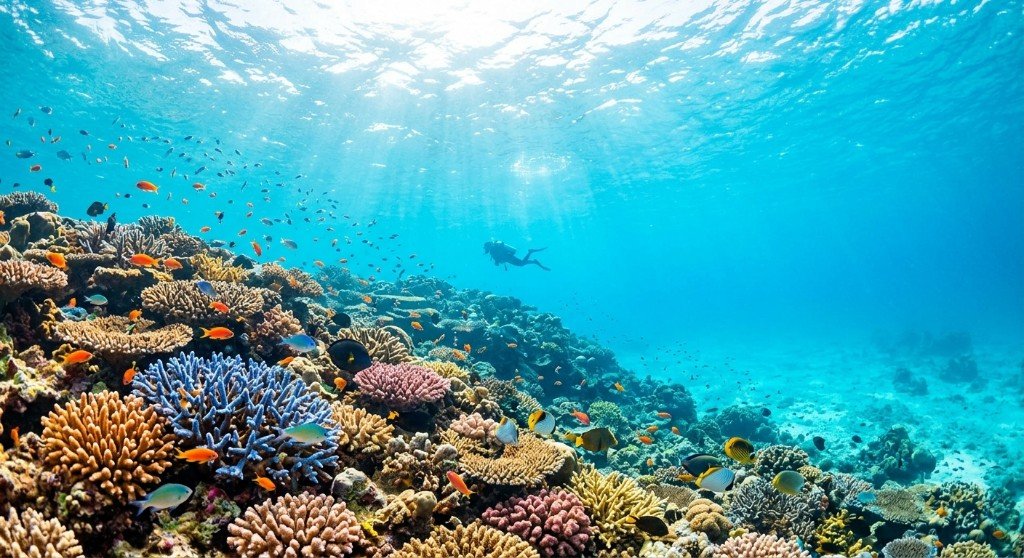
Okinawa sits closer to Taiwan than to Tokyo, and the water tells the story before you even get your fins on — warm, clear, and ringed by coral reefs that barely exist anywhere else in Japan. For anyone searching "okinawa diving" or trying to pin down the best time to dive, this guide covers the real planning details: season windows, site conditions, and the logistics of getting from an airport to a dive boat with your gear intact.
Who Okinawa Diving Is Actually For
Okinawa isn't a single destination — it's an archipelago of over 160 islands stretching from Kagoshima almost to Taiwan, and the diving scene reflects that spread. The main island (Okinawa Hontō) around Naha and Onna Village suits divers who want resort infrastructure, English-speaking dive shops, and quick access to famous sites like the Blue Cave (Cape Maeda). The Kerama Islands, a 30-40 minute ferry from Naha, are the pick for anyone chasing the clearest water in the region — "Kerama Blue" is a real, searched phrase, not marketing fluff, and visibility regularly exceeds 30 meters. Further out, Miyako and the Yaeyama group (Ishigaki, Iriomote) demand more travel time but reward it with manta ray cleaning stations, cave systems, and far fewer crowds.
This makes Okinawa diving fundamentally different from a ski trip to Niseko or a surf session in Chiba — there's no single base camp. Your itinerary depends on which island you pick, and that choice should be made around what you want to see: hard coral gardens, pelagic encounters, cave and cavern formations, or wreck diving (Okinawa has WWII-era wrecks near Naha that are popular with tech and wreck-certified divers). Beginners and families gravitate toward Onna Village's shallow reef sites and the Blue Cave; experienced divers chasing current-fed pelagics head to Kerama or the channels around Yaeyama.
Historically, this part of Japan was the independent Ryukyu Kingdom until its annexation in 1879, and that distinct identity still shapes the islands — cuisine, language, and a slower pace that's noticeably different from mainland Japan. Diving here isn't just a sport stopover; many dive shops are run by multi-generational Okinawan families who treat the reef as an extension of local identity, not just a tourist resource. Respecting that context (and the coral) matters more here than in most dive destinations.
Dive Site Conditions: What You'll Actually Find Underwater
Okinawa's reef structure is almost entirely fringing and barrier coral, built on a limestone base, which means most dive sites are drift-friendly with moderate current rather than the wall dives you'd find in Palau or Fiji. Water temperature ranges from around 20-21°C (68-70°F) in the coldest winter months (January-February) to 28-30°C (82-86°F) in peak summer (July-August) — a 3mm wetsuit covers most of the year, with a 5mm or semi-dry recommended December through March.
Key dive sites worth knowing by name:
- Cape Maeda (Blue Cave), Onna Village — shore-accessible, beginner-friendly, famous for the sunlight-filtered blue cavern entrance. Crowded on weekends; go on a weekday morning for a calmer experience.
- Kerama Islands (Zamami, Aka, Geruma) — multiple boat-accessible sites with exceptional visibility (often 25-30m+), sea turtle encounters almost guaranteed, and coral coverage among the healthiest in Japan.
- Manza Point, Onna Village — dramatic drop-offs and swim-throughs, good for intermediate divers wanting more structure than a flat reef.
- Ishigaki / Kabira area (Yaeyama) — manta ray cleaning stations (best June-September), plus the Yonaguni "Monument," an unusual rock formation 100km further west that divers debate as natural or man-made.
- Iriomote / Sakiyama Bay — mangrove-fed water with unique blue coral formations, calmer and less current-dependent.
- Naha-area wrecks (Emily flying boat, various WWII sites) — advanced/wreck-specialty territory, silty bottom, plan for reduced visibility.
Current is the main variable to plan around: Kerama channels and outer Yaeyama sites can run strong during tide changes, so dive shops schedule around slack tide. If you're newly certified, say so when booking — reputable shops will route you to Onna Village's calmer sites rather than a Kerama drift dive on a big tide day.
Diving Season and How to Get There
This is the section most searches are really after, so here's the direct answer: Okinawa's diving season runs essentially year-round, but the window differs by what you're optimizing for.
- Peak season (June-September): Warmest water (28-30°C), calmest seas, manta ray season in Yaeyama, and whale shark sightings reported some years near Kerama. Downsides: typhoon risk (especially August-September can cause last-minute boat cancellations), peak pricing, and crowded popular sites like Blue Cave.
- Shoulder season (April-May and October-November): Many experienced divers consider this the best time to dive Okinawa overall — water is still comfortably warm (24-27°C), typhoon risk drops significantly, and crowds thin out. November especially offers calm seas with far fewer tourists than summer.
- Winter (December-March): Humpback whale season around Kerama and Zamami (whale-watching boats run alongside dive boats January-March) — a unique add-on you won't get in summer. Water drops to 20-21°C, needing a thicker wetsuit, but visibility often improves as plankton blooms die down. This is also when hammerhead and other pelagic sightings pick up at certain outer sites.
Getting there: Naha Airport (OKA) on the main island is the hub, with direct flights from Tokyo (Haneda/Narita, ~2.5-3 hours), Osaka (~2 hours), and several other mainland cities, plus direct international routes from Taiwan, South Korea, and parts of China. From Naha Airport:
- Onna Village dive resorts: 45-60 minutes by rental car or shared shuttle via the Okinawa Expressway. Most dive shops offer airport or hotel pickup — confirm this when booking, since public bus connections are slow and infrequent.
- Kerama Islands: Take the high-speed ferry (Queen Zamami or Marine Liner Tokashiki) from Tomari Port in Naha, about a 20-30 minute taxi/monorail ride from the airport. Ferry crossing itself is 30-50 minutes depending on island and boat.
- Miyako: Separate flight from Naha or direct from Tokyo/Osaka (around 50 minutes from Naha).
- Ishigaki/Yaeyama: Direct flights from Naha (~50 min) or direct from mainland Japan; Iriomote requires an additional ferry from Ishigaki port (35-40 minutes).
A rental car is genuinely useful on the main island since dive shops and accommodation are spread along the west coast; it's less necessary on Kerama or in Ishigaki town, where shops cluster near the port.
Practical Tips: Booking, Gear, and Reef Etiquette
Booking: Reserve dive shops at least 2-3 weeks ahead for peak season (July-August) and whale season (January-March), since both boats and English-speaking guides fill up. Shoulder season (April-May, October-November) is more forgiving — a few days' notice is often fine. Most shops require proof of certification (bring your physical card or a digital copy) and ask about your most recent dive date; if you haven't dived in over a year, expect a refresher or a guide-led "check dive" before anything more technical.
Gear: Dive shops rent full gear, but if you have your own mask and regulator, bring them — fit issues are the most common thing that ruins a day. Reef-safe sunscreen (mineral-based, non-nano) is increasingly required by shops around Kerama and Onna, in line with Japan's growing coral protection rules; pack it rather than relying on finding it locally. A rash guard under your wetsuit helps with jellyfish, which show up seasonally (habu kurage/box jellyfish risk rises June-September — ask your shop about current conditions).
Reef etiquette: Okinawa's reefs have suffered bleaching events in recent years, and local shops take buoyancy control seriously — expect a skills check before any reef dive if you're an unfamiliar diver. No touching coral, no standing on the bottom to adjust gear, and no collecting shells or coral fragments (it's both ecologically harmful and, on protected sites, illegal).
Stay and food: Onna Village and Chatan have the highest concentration of dive-focused accommodation, often with gear rinse stations and tank storage on-site. For food, don't skip Okinawan specialties distinct from mainland Japanese cuisine — goya champuru (bitter melon stir-fry), Okinawa soba, and taco rice reflect the islands' unique culinary history, shaped by both the Ryukyu Kingdom era and post-WWII American influence. After a dive day, this local food culture is as much a reason to extend your trip as the reefs themselves.
Typhoon contingency: Build a buffer day into any summer itinerary. August-September is peak typhoon season, and shops will cancel for safety rather than risk a crossing — it's common enough that many dive packages include a rebooking policy. Shoulder-season trips largely avoid this problem, which is another reason experienced divers increasingly treat spring and fall as the real best time to dive Okinawa.
Was this page helpful?
Your feedback helps us improve our guides